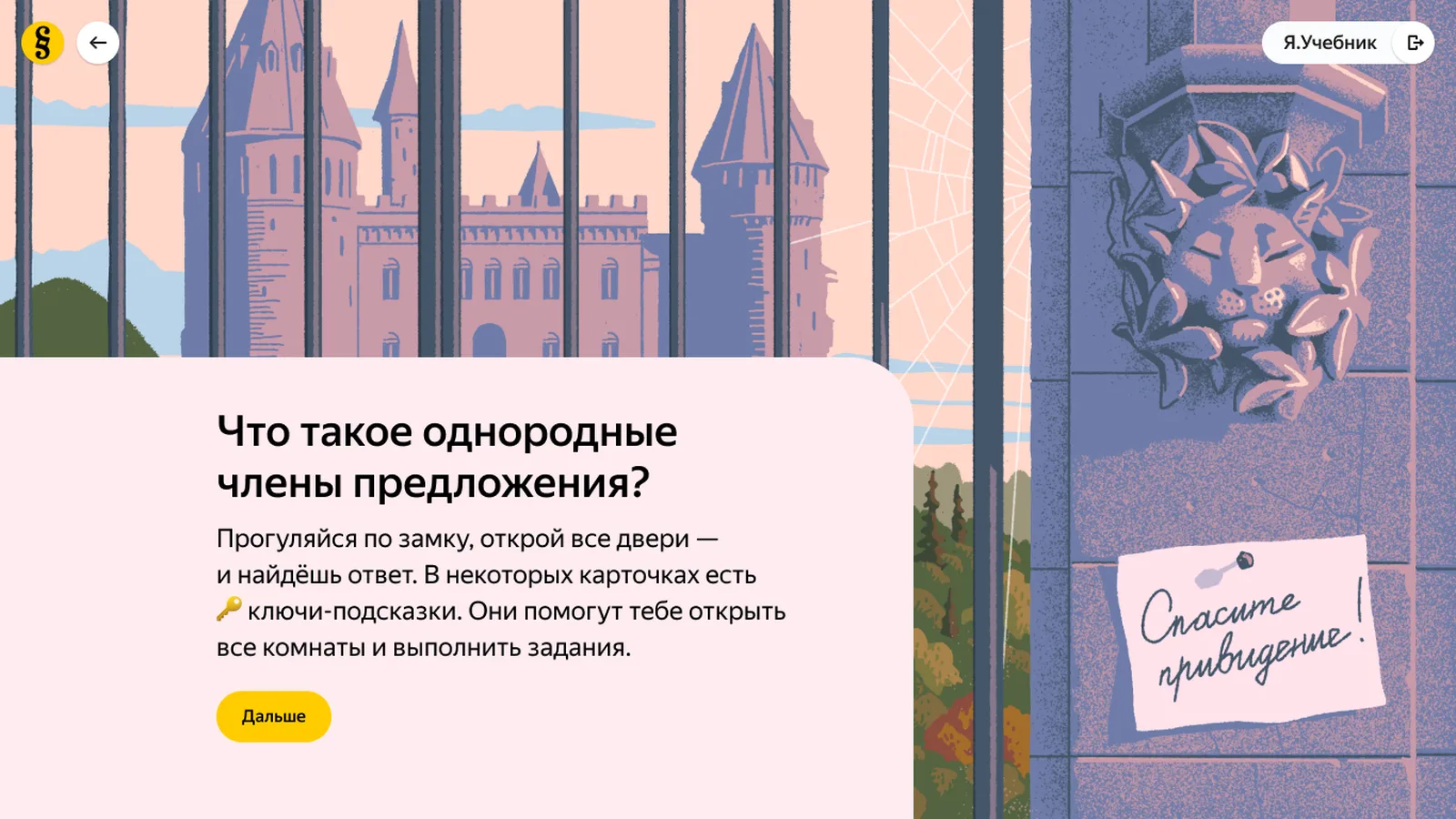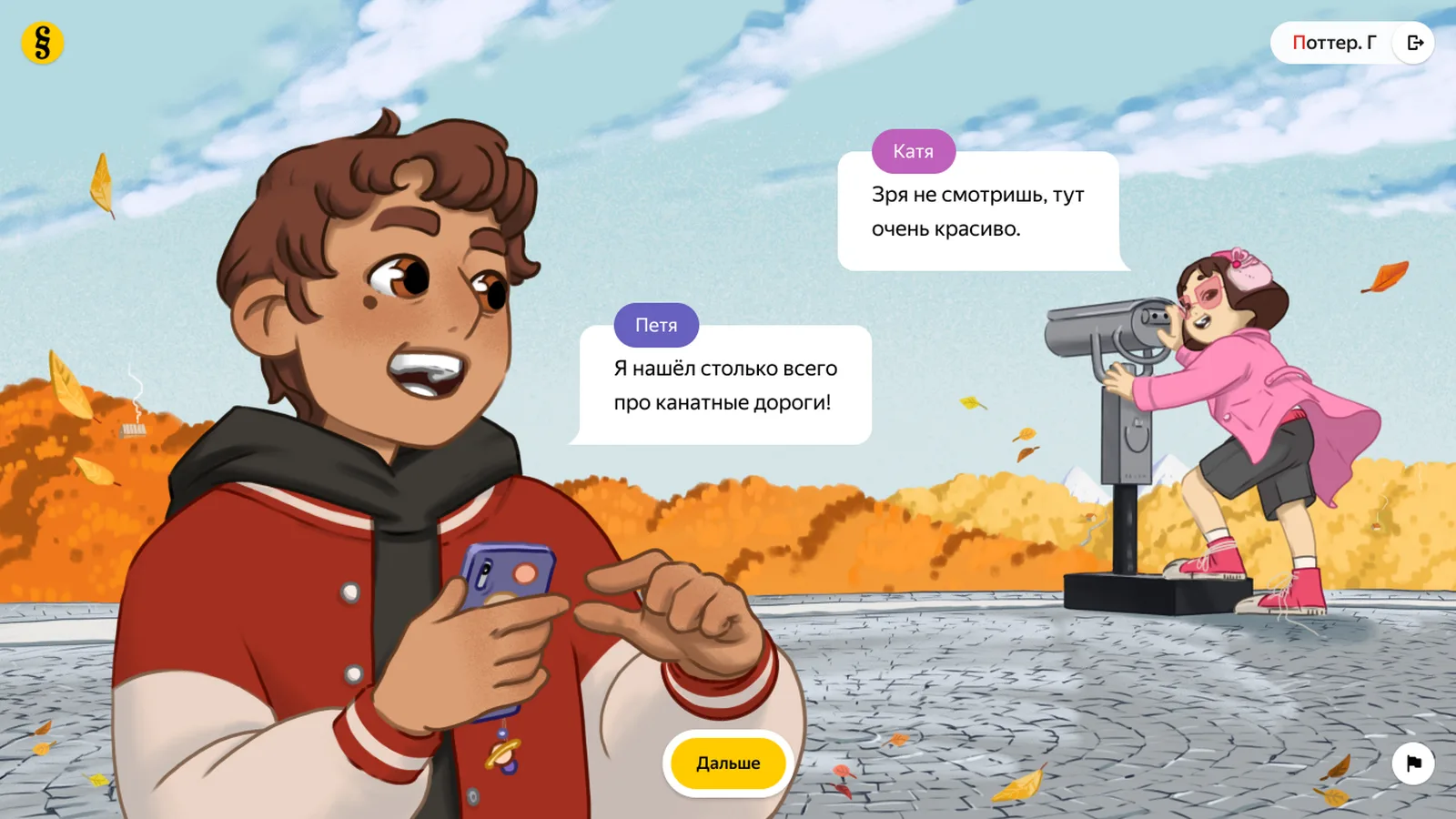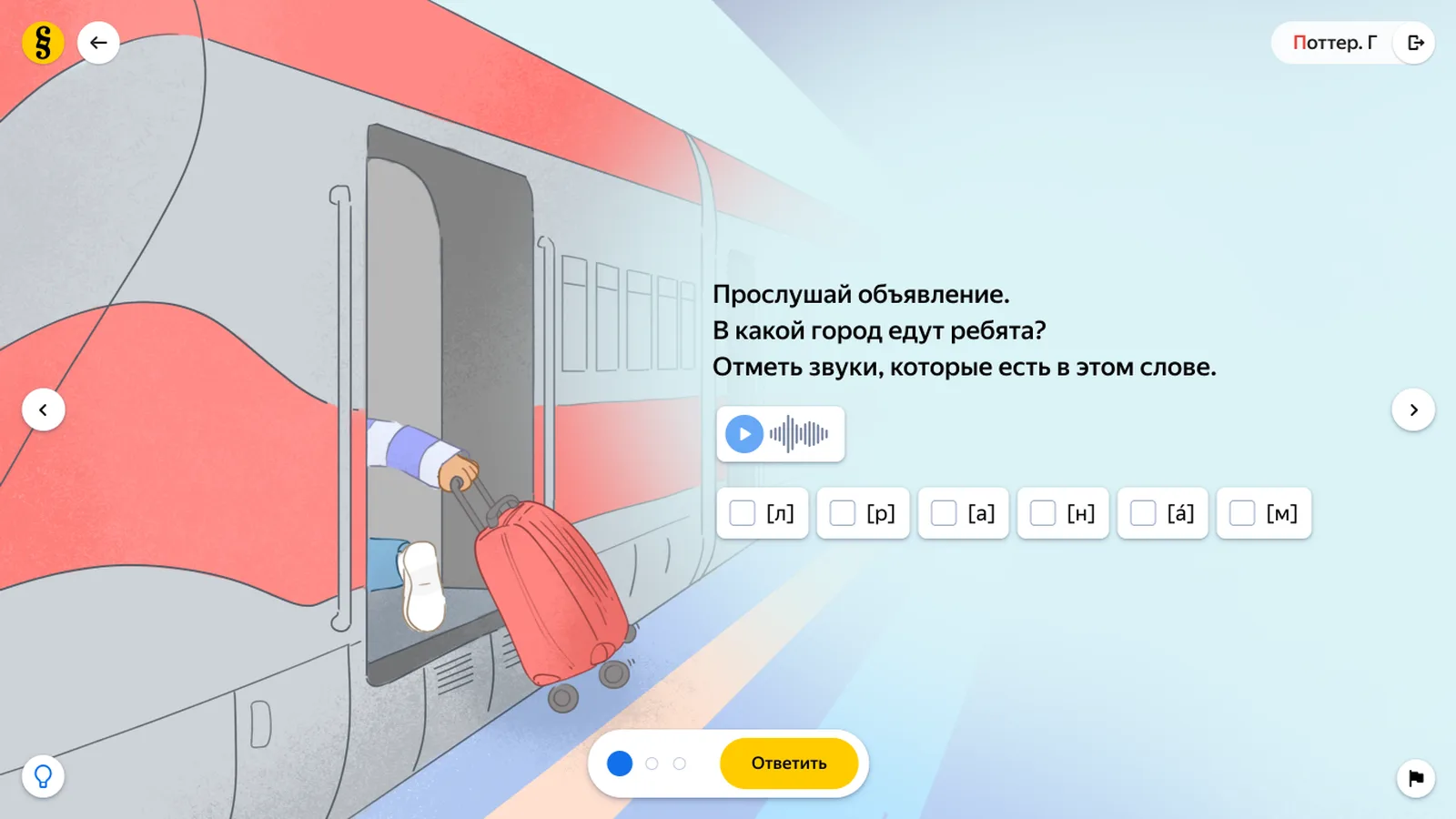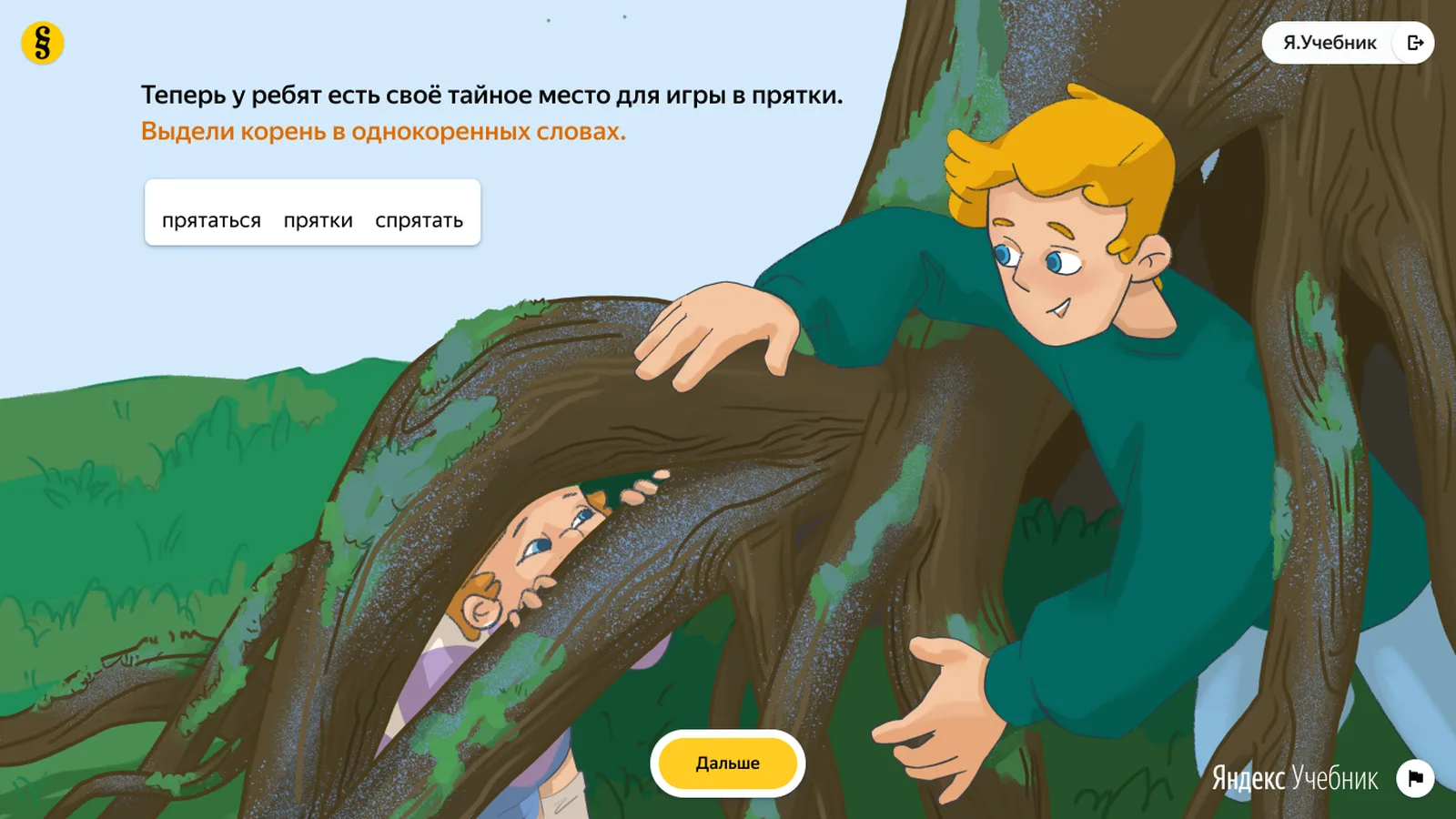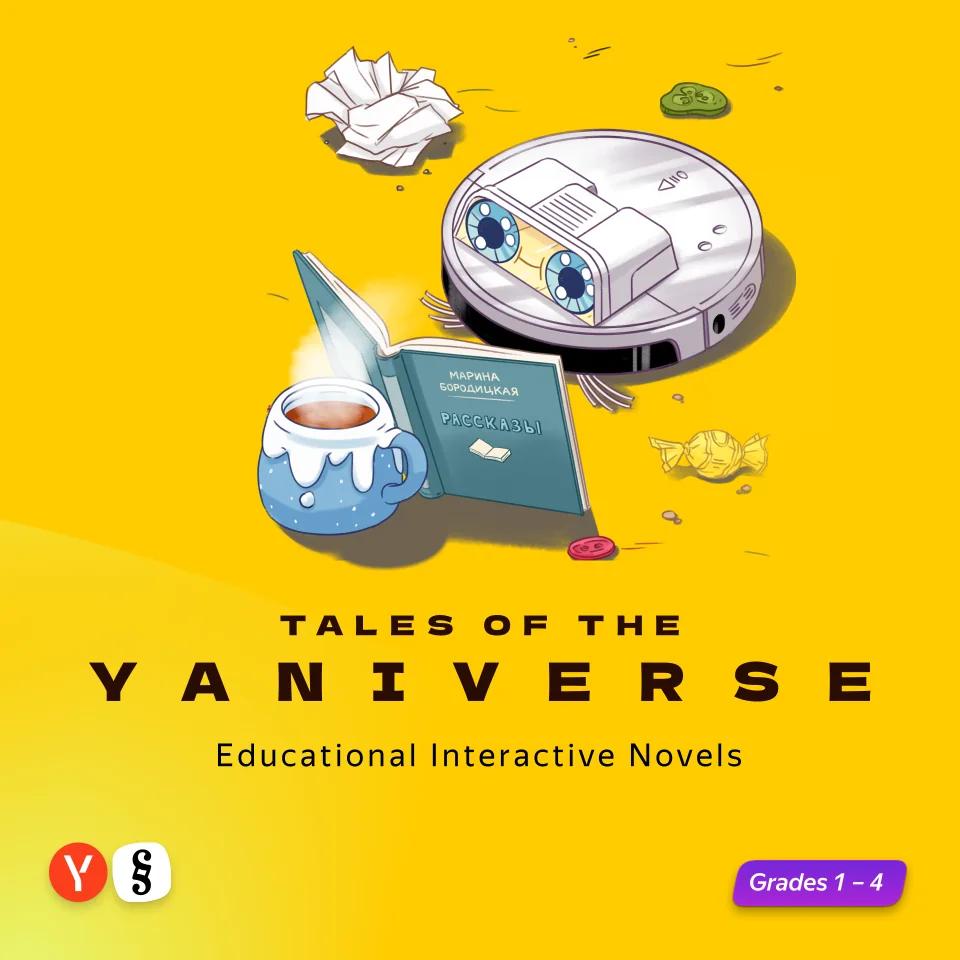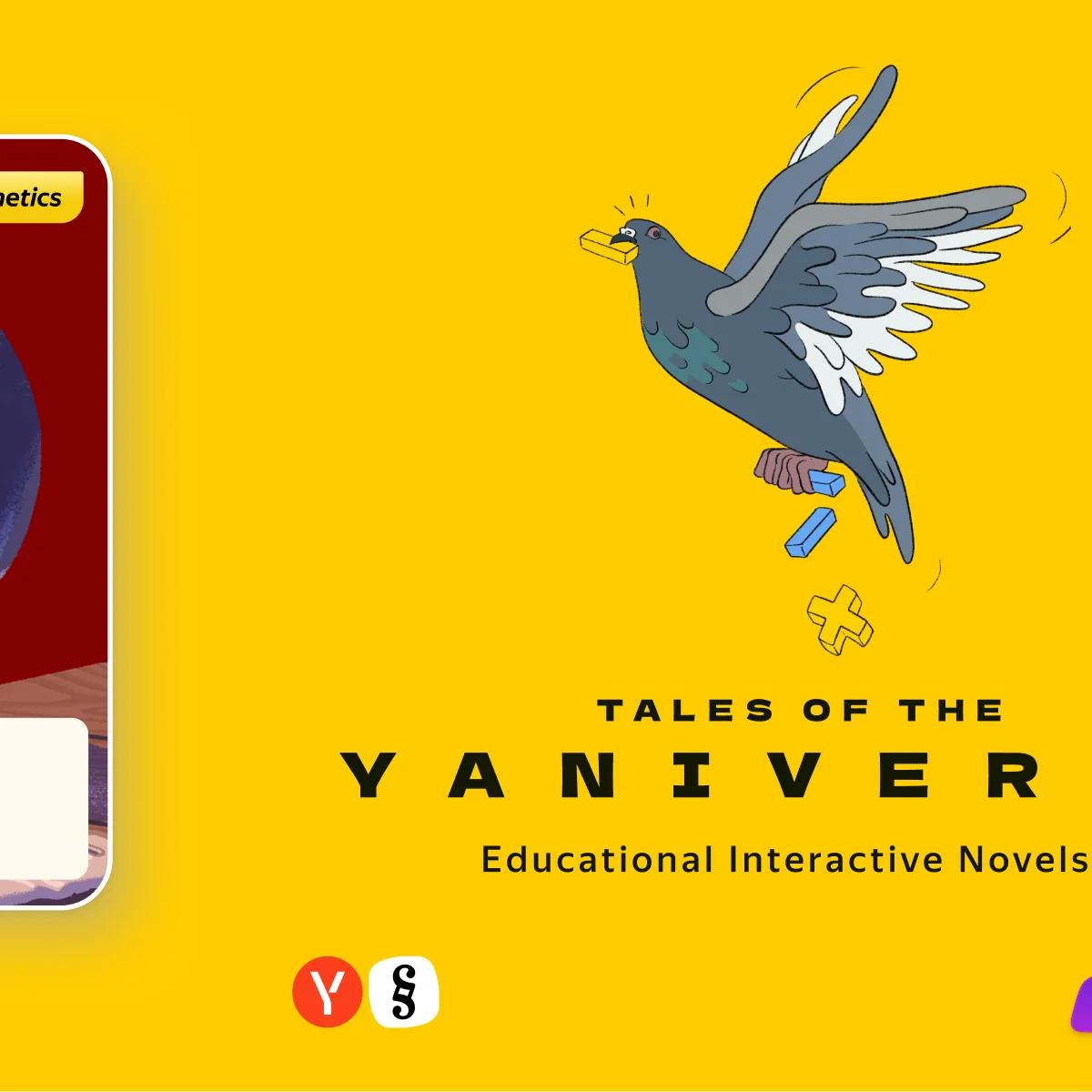













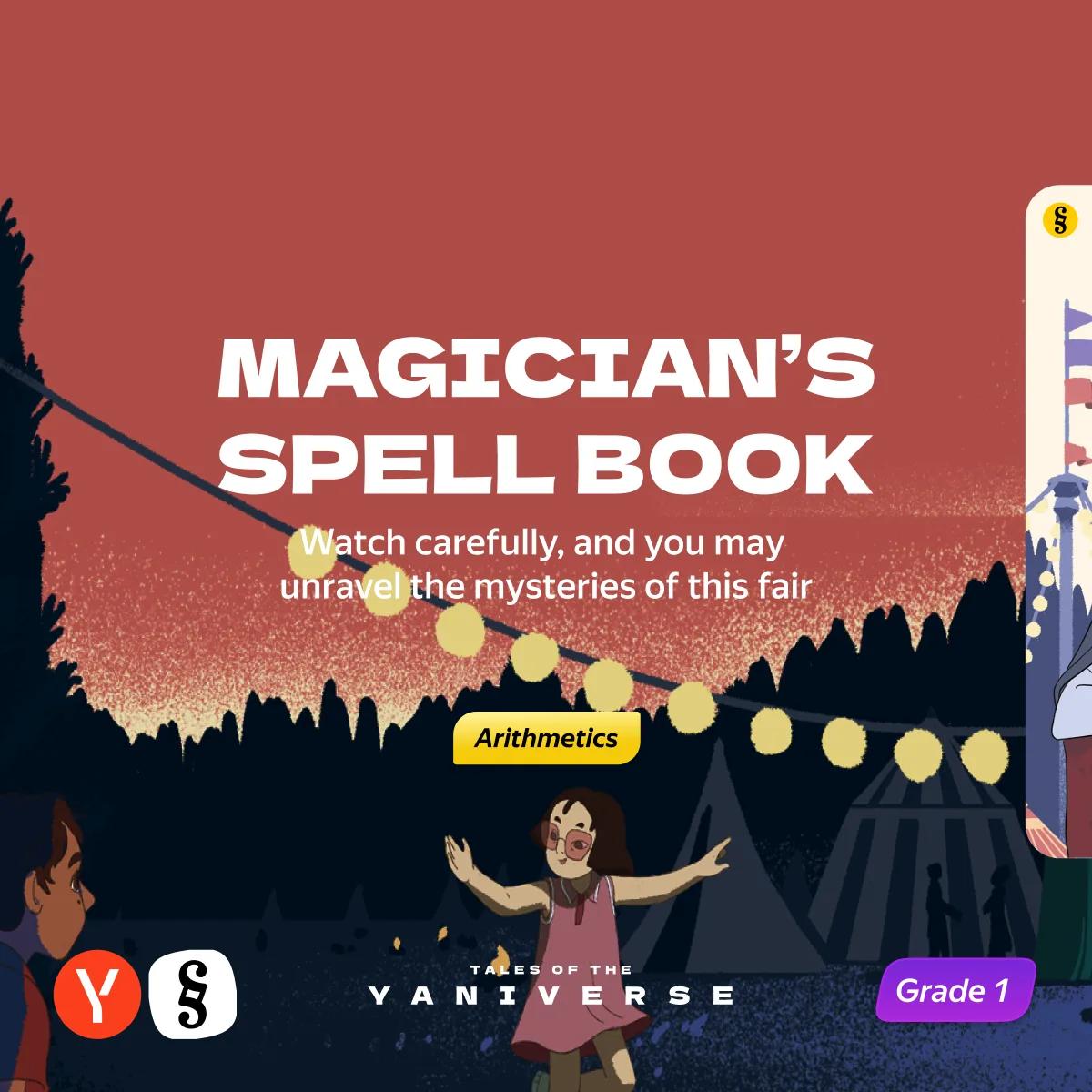
Tales of the Yaniversefor Yandex Schoolbook

Weekly story-driven illustrated exercises for grades 1–4 in three core subjects as a way to drive exercise engagement and week over week retention

Role: Design Director → Product Manager

300K+
student MAU
2×
student MAU YoY
3×
teachers’ MAU
Within a year the monthly student count had doubled — and the look of those exercises grew into the brand language for Yandex Schoolbook.

The brief

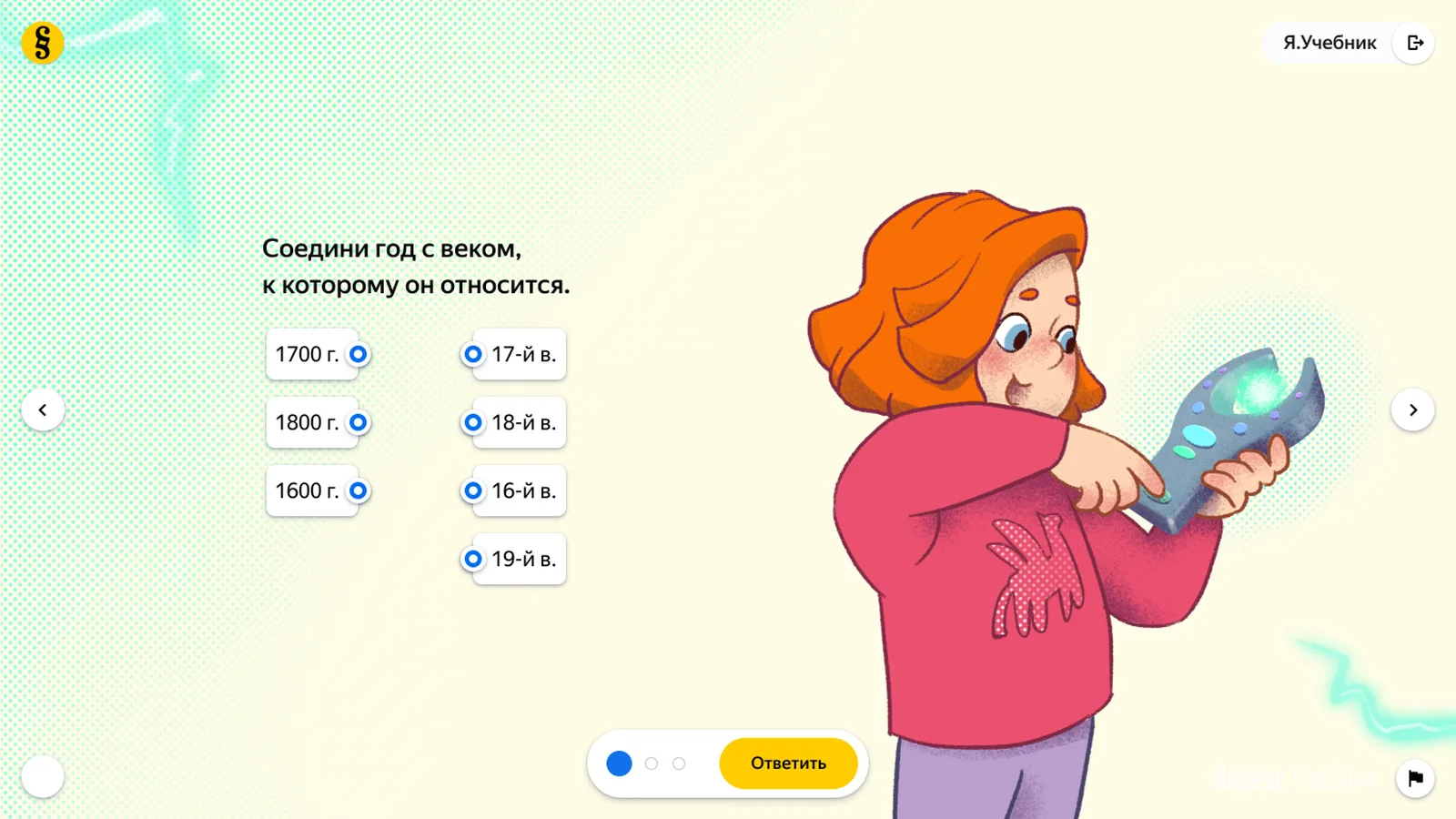
By the time the question reached me, Yandex Schoolbook had been running for two or three years and was sliding into a slow crisis: the 30K-exercise catalogue was a professional tool most teachers couldn’t use. A new direction came down — Schoolbook had to work for teachers who were never going to be power users. The CEO owned how that would look. My piece of it: make Yandex Schoolbook engaging for the children using it.

As it was

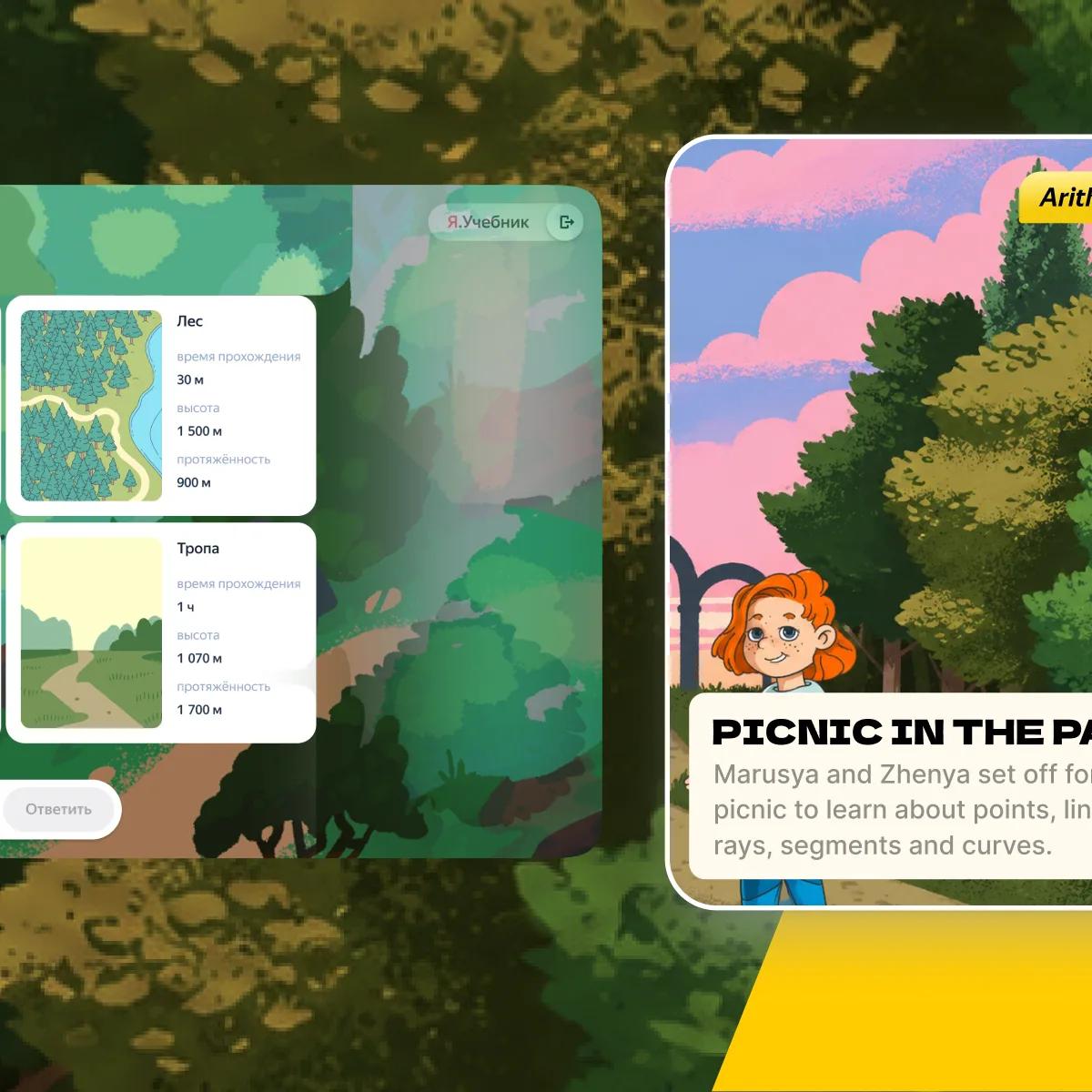
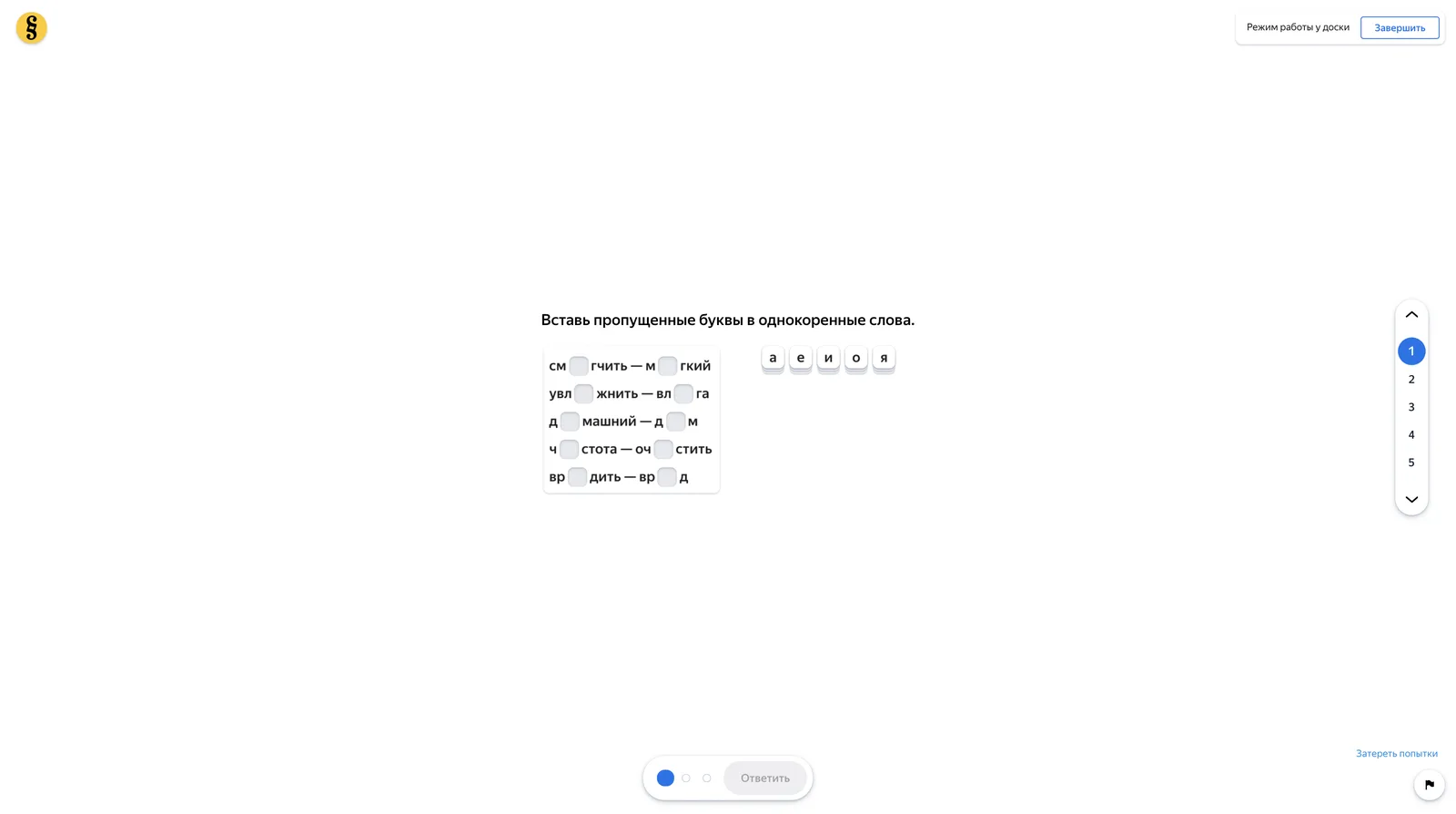
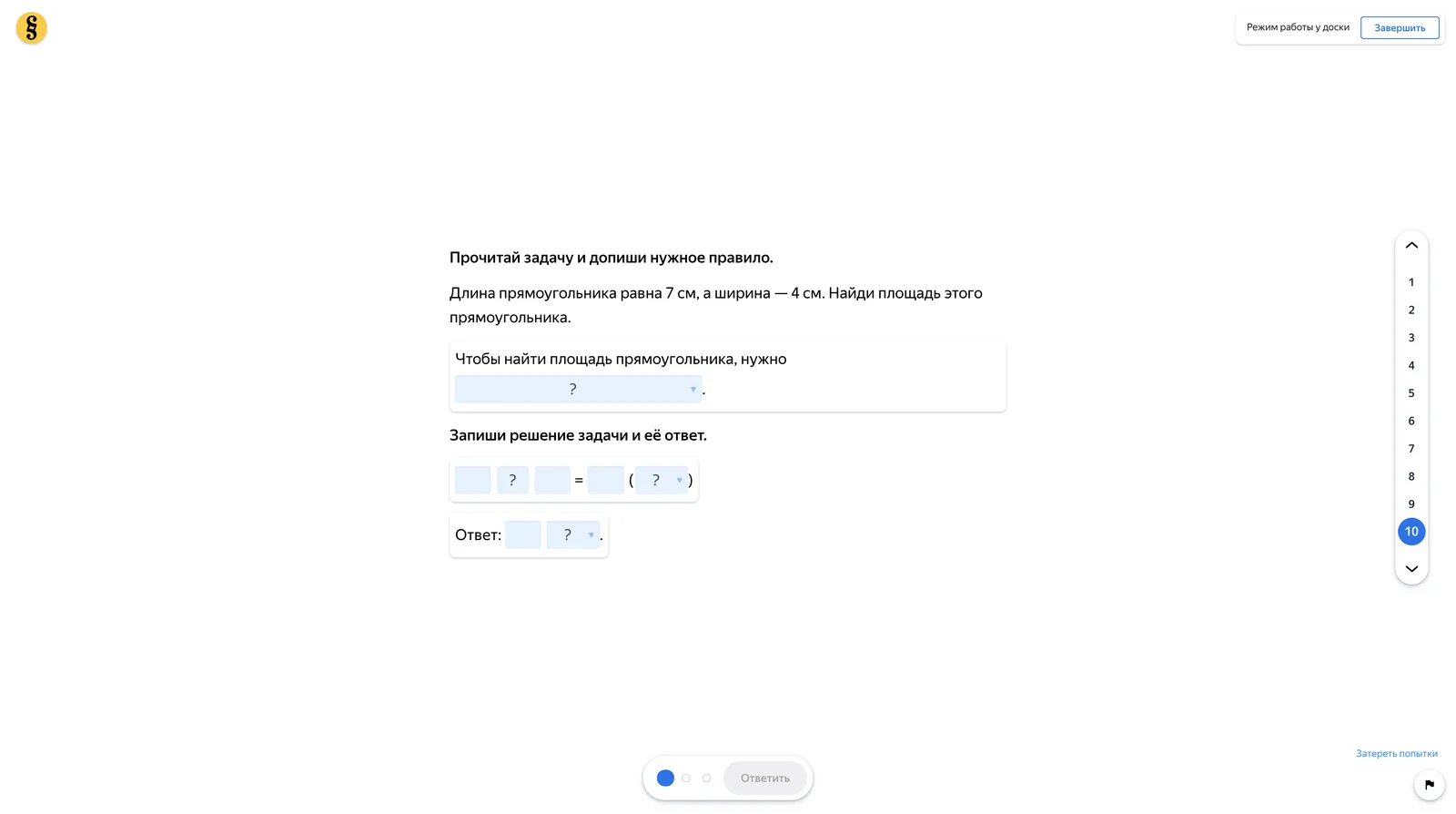
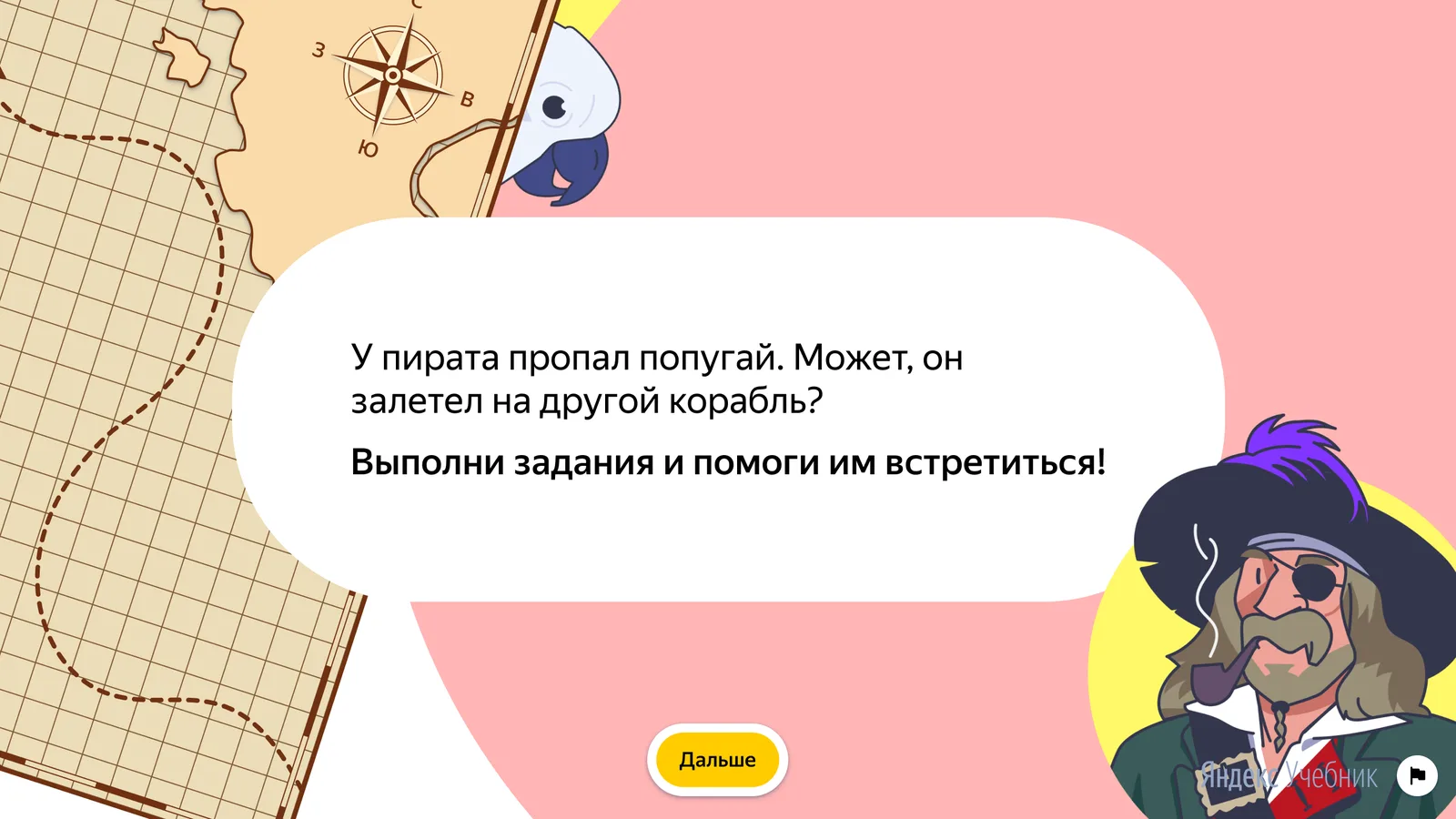
The plainness was a methodological rule. An illustration was allowed only where the exercise used it, only at a small size, and only on white — a page that looked pleasant had, in that reading, stopped teaching.

A free summer experiment

For two months I came back with proposals and the CEO killed every one: no metric, too much work, nothing proven yet, so no resources. On the third pass I stopped pitching the destination and pitched the wedge — a small experiment that would propose a metric for engagement and show movement on it. That one got through, on fractional time from people already on the team: no new hires, barely any dev or QA.

So I ran a voluntary summer club. An in-product landing converted kids and their parents — about 3,000 sign-ups — and since it cost nothing and no teacher assigned it, a child coming back each week was choosing to.

My bet: give children exercises with a story and a world behind them, and they’d stay longer and return more often.

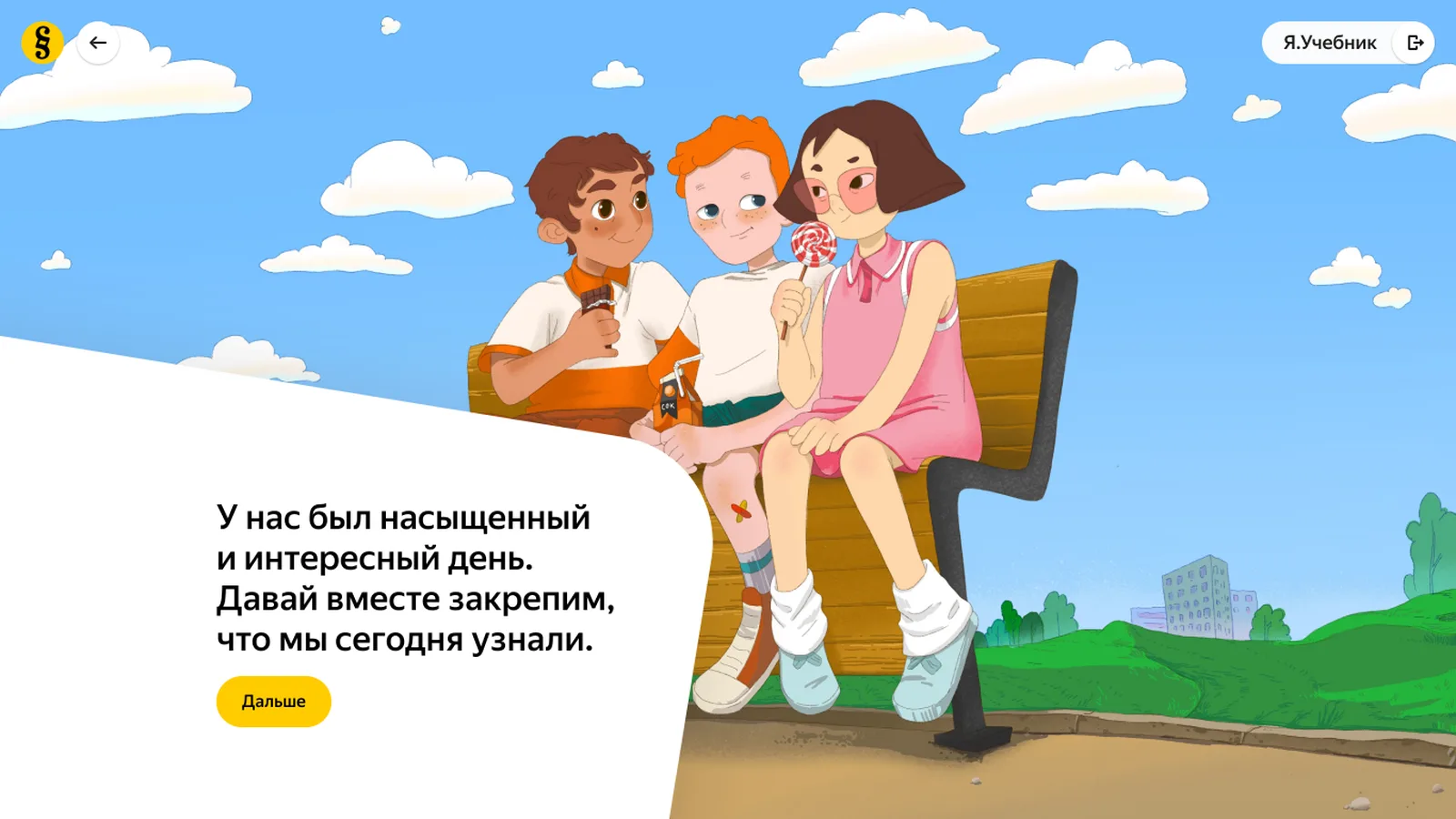
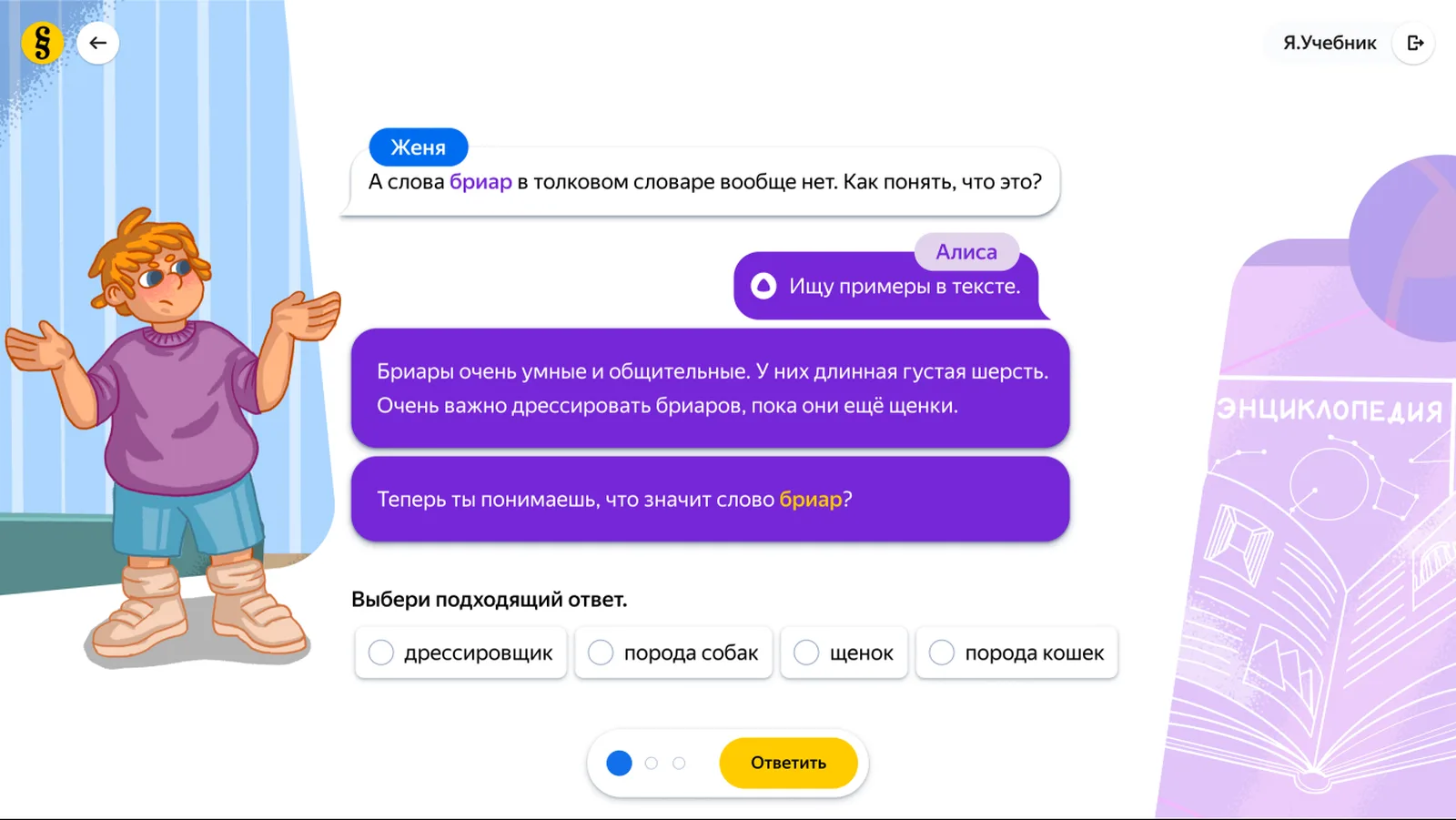
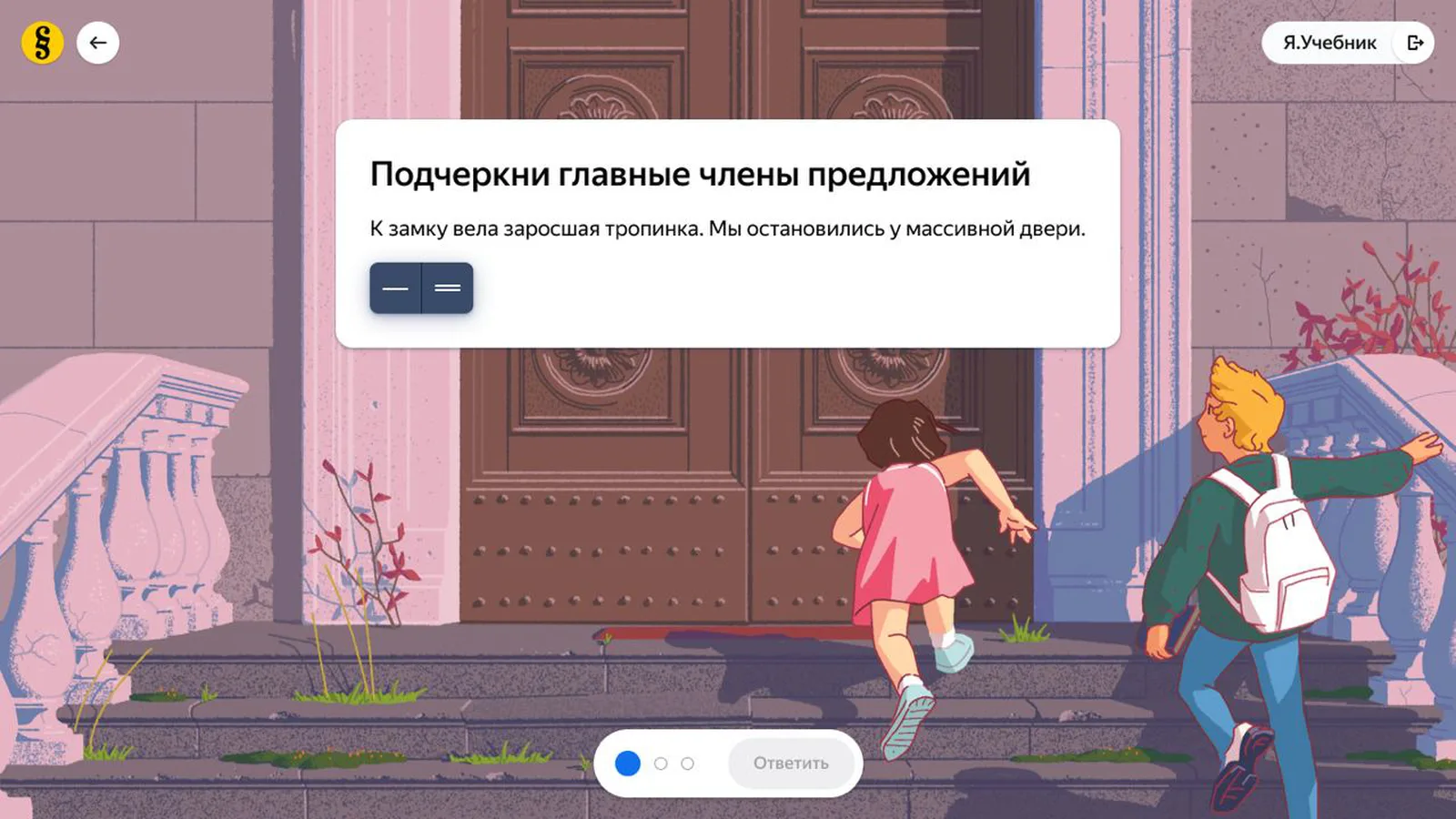
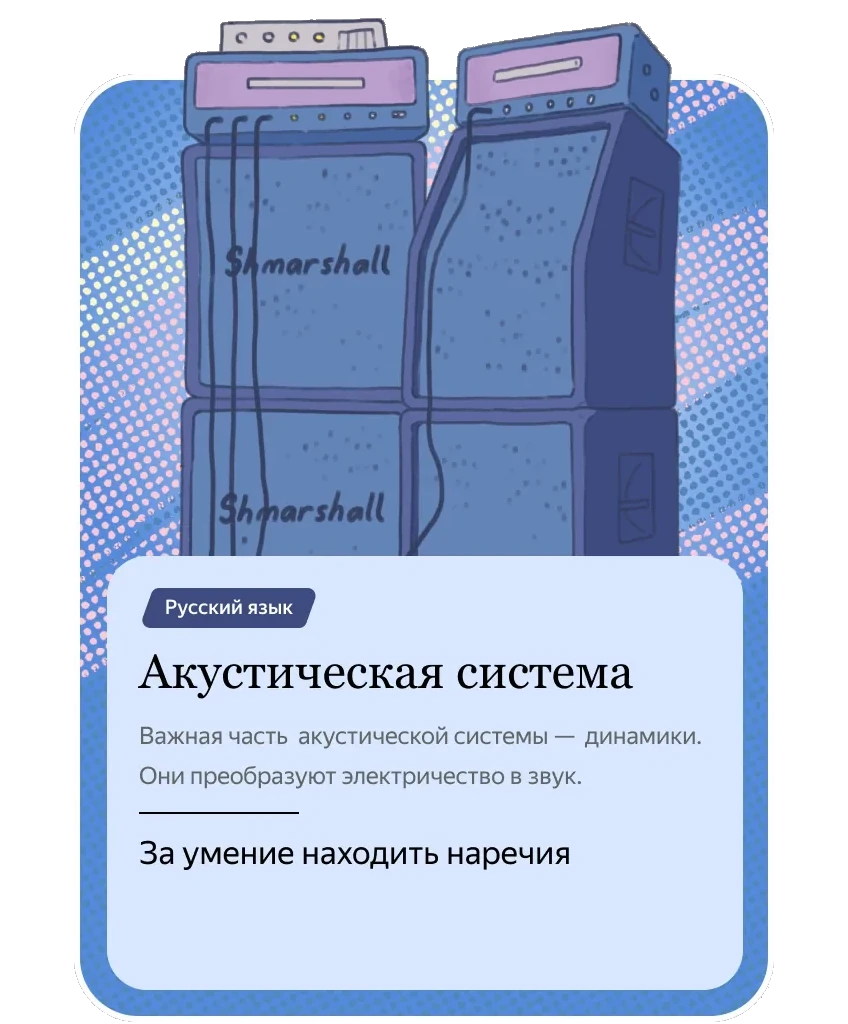
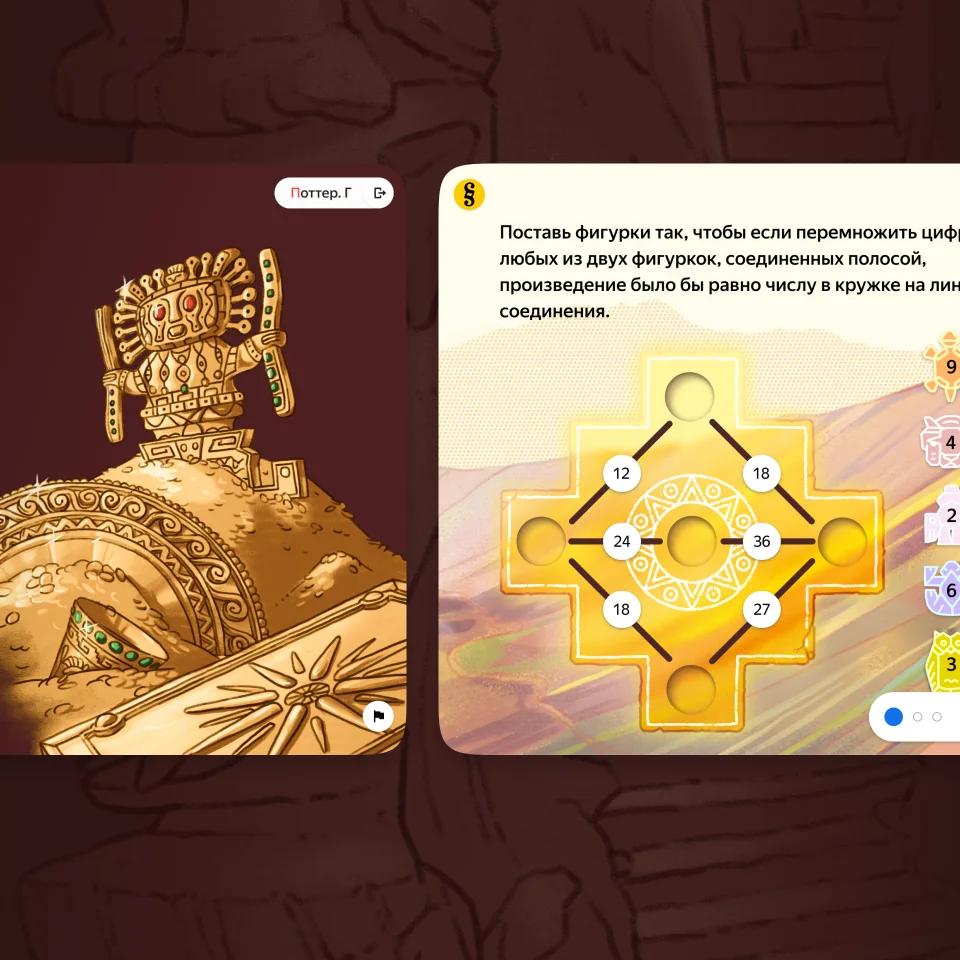
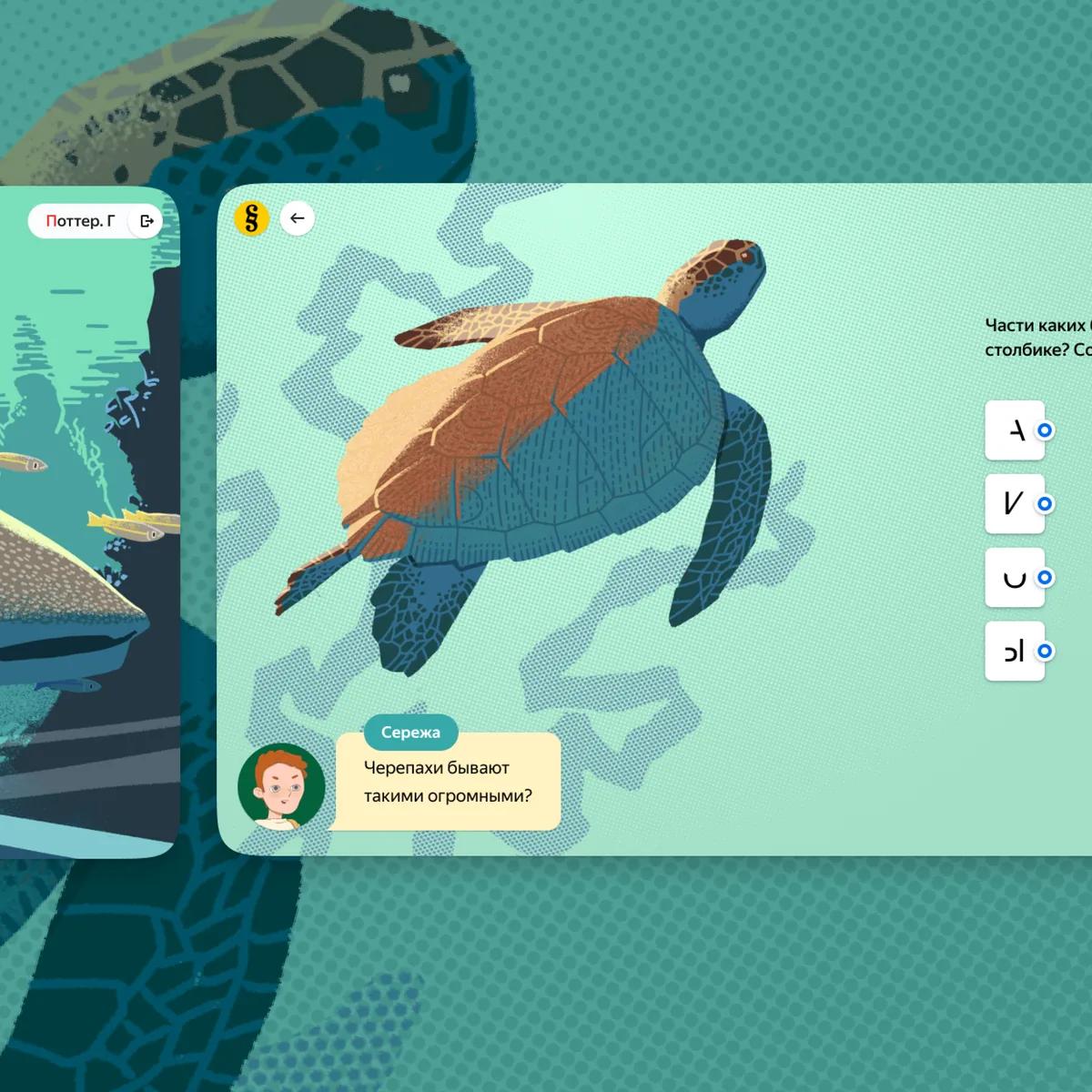
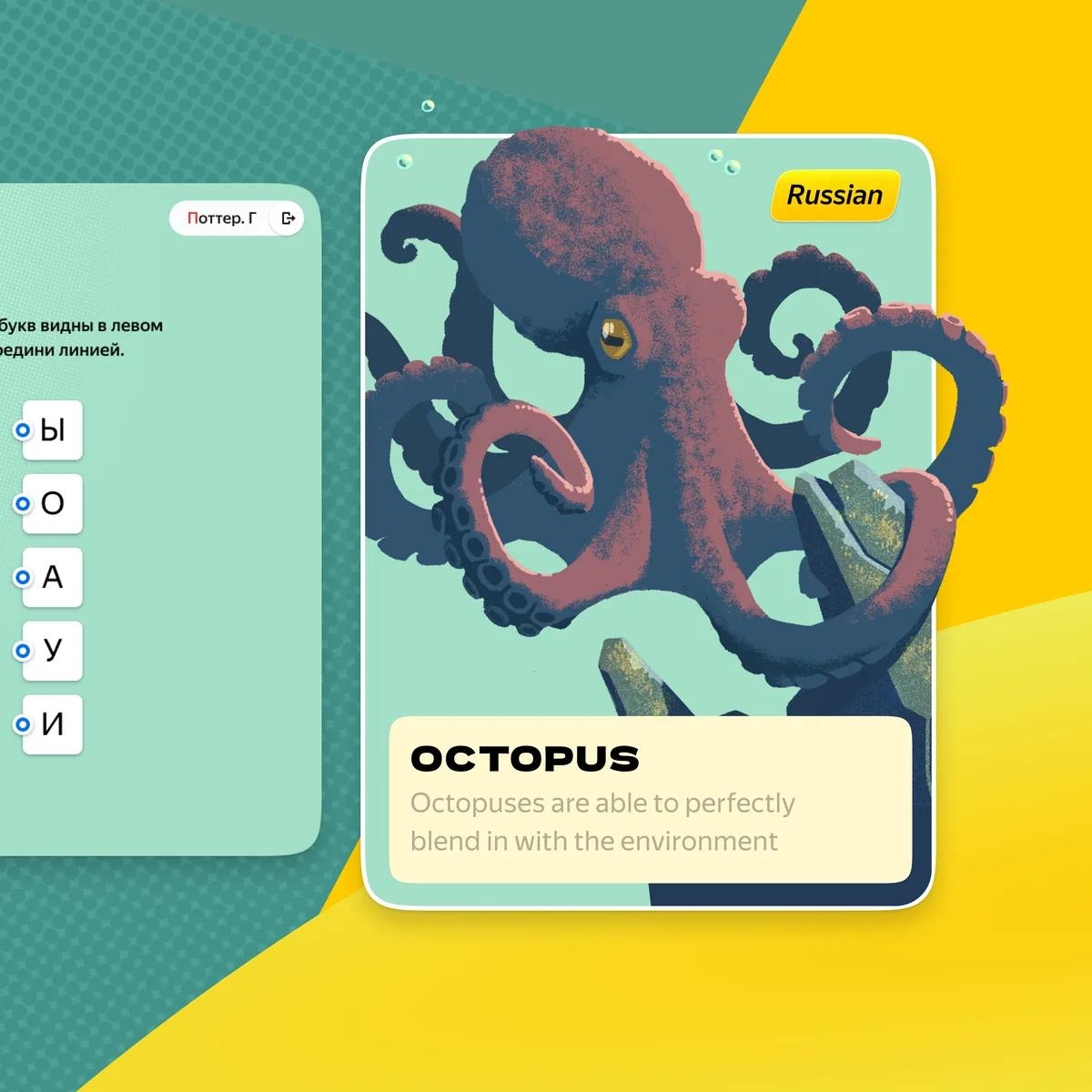
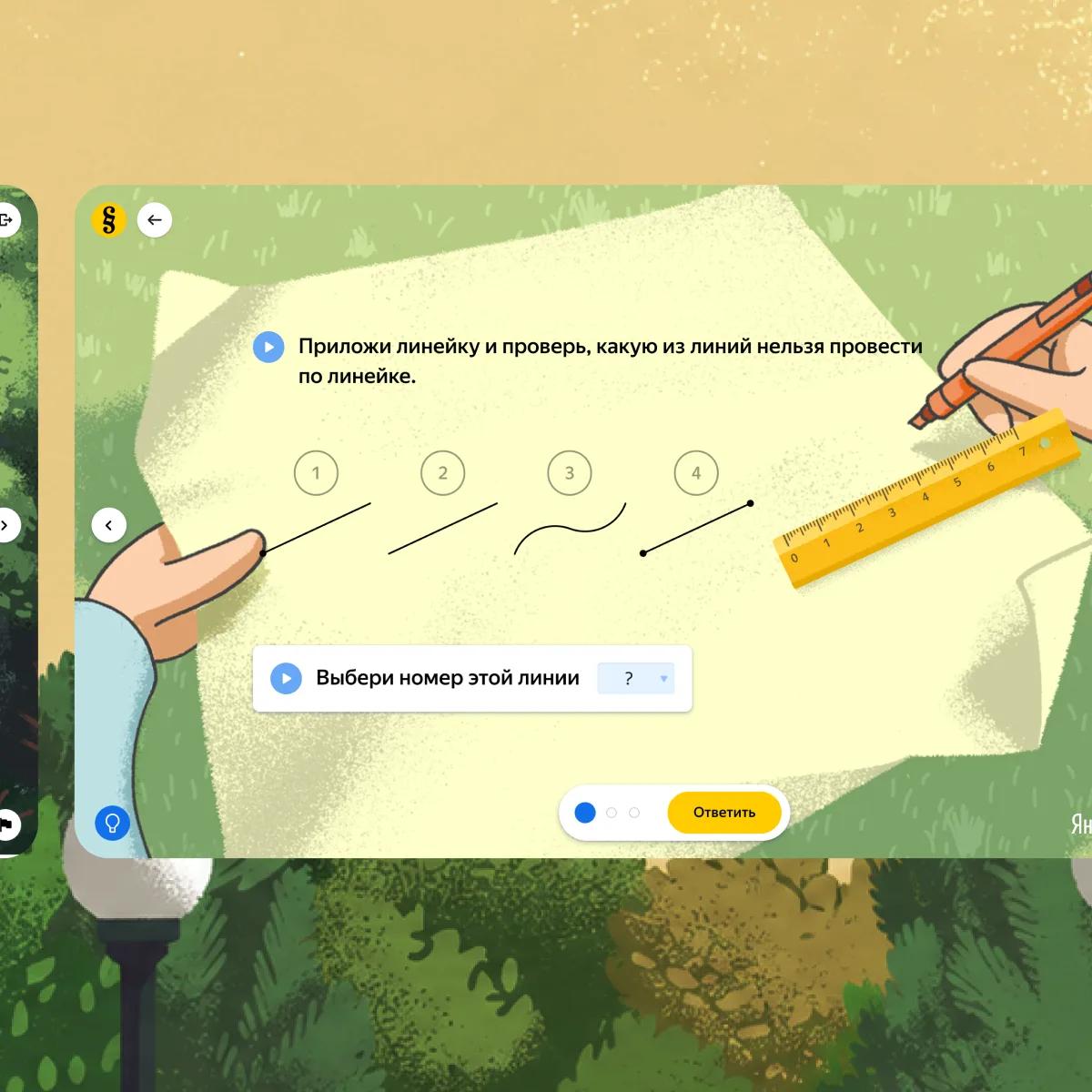
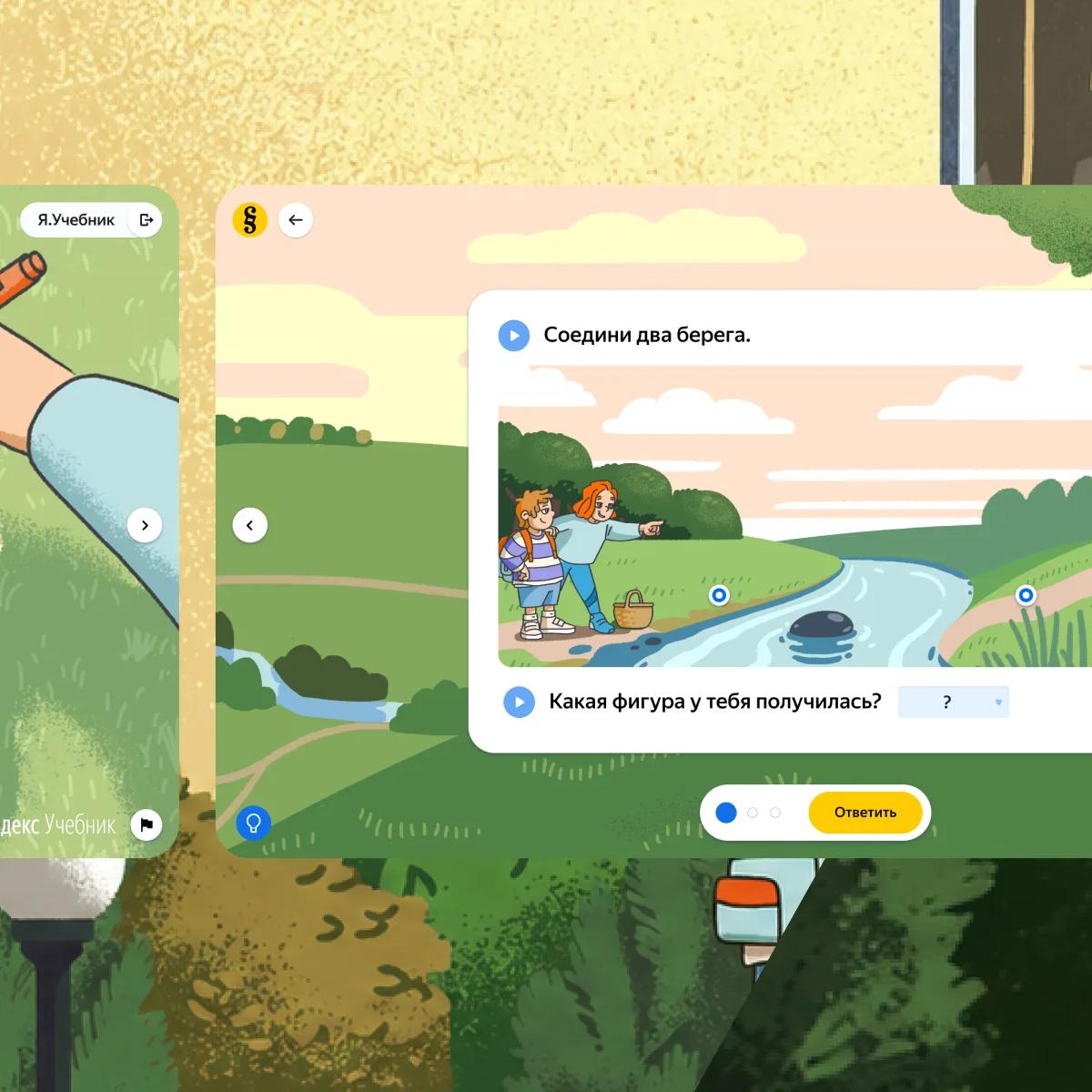
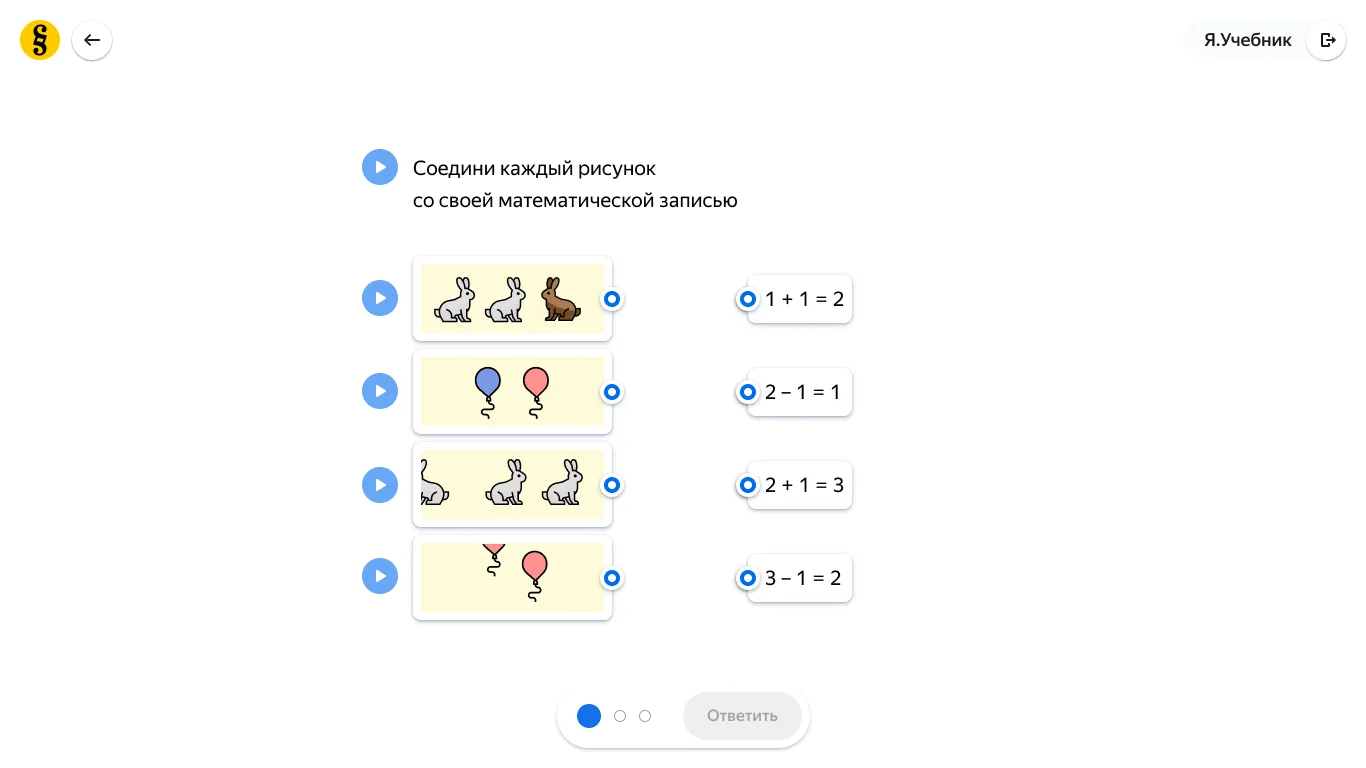
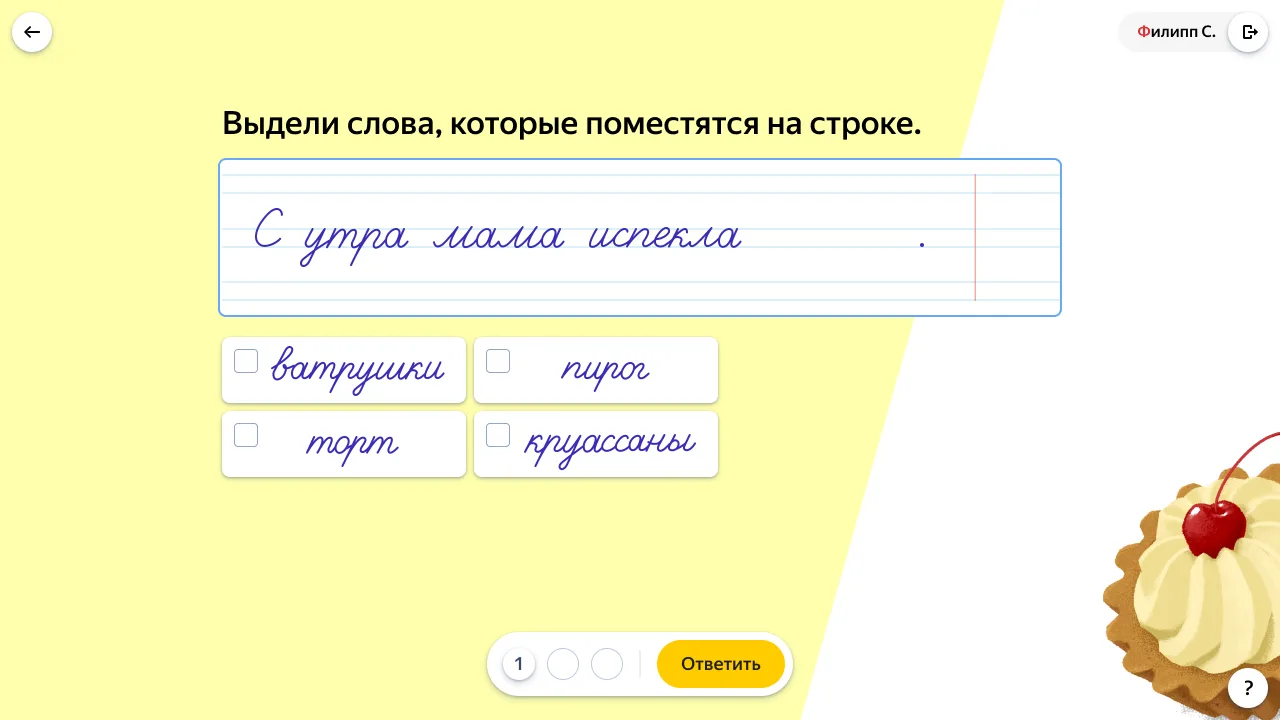
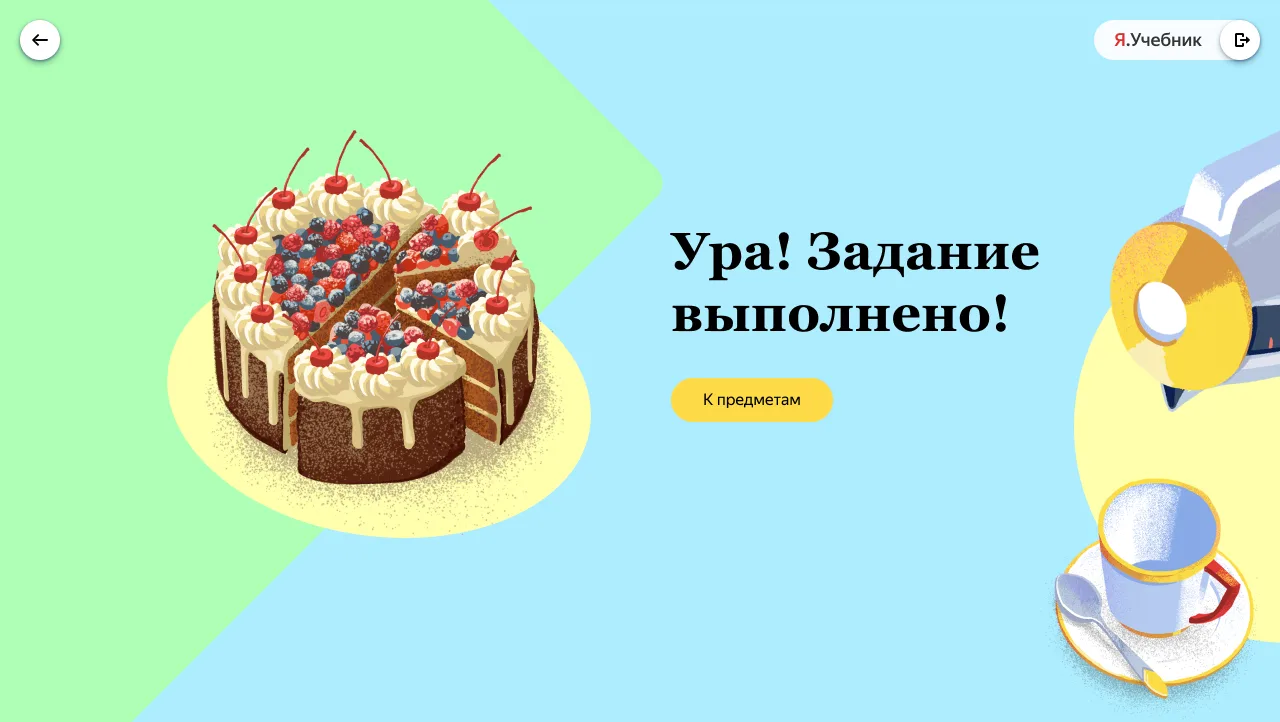
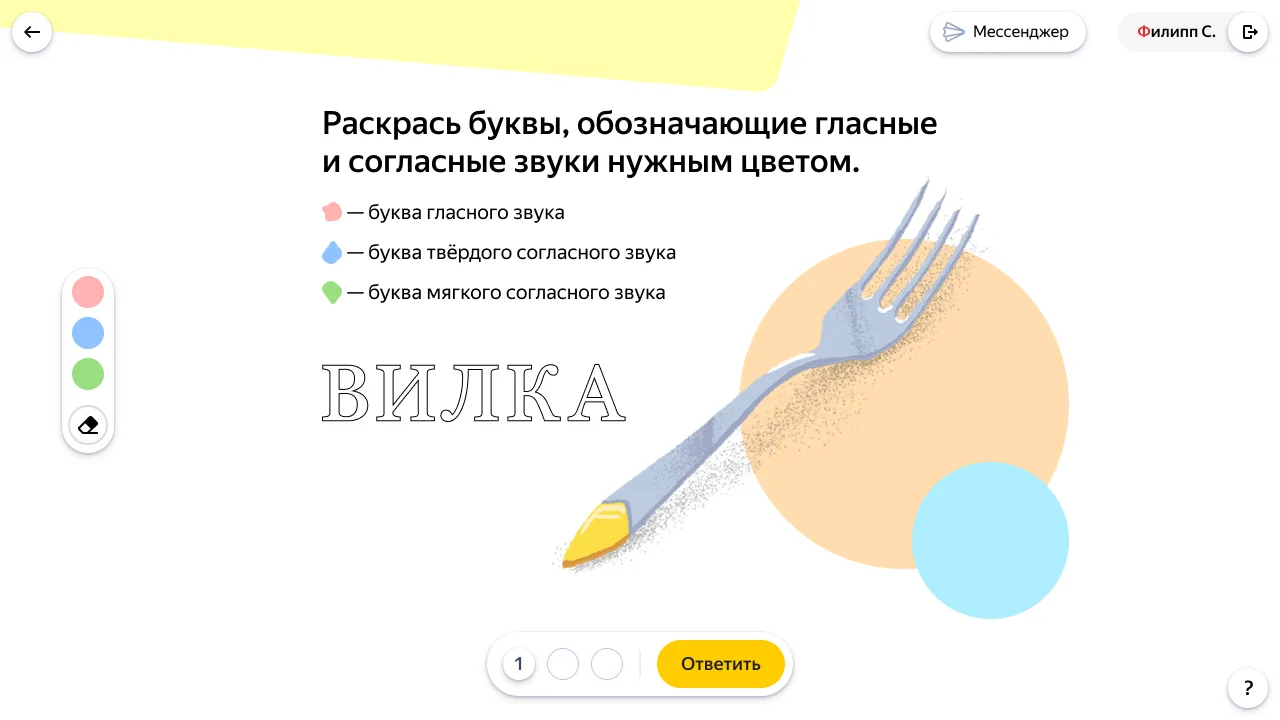
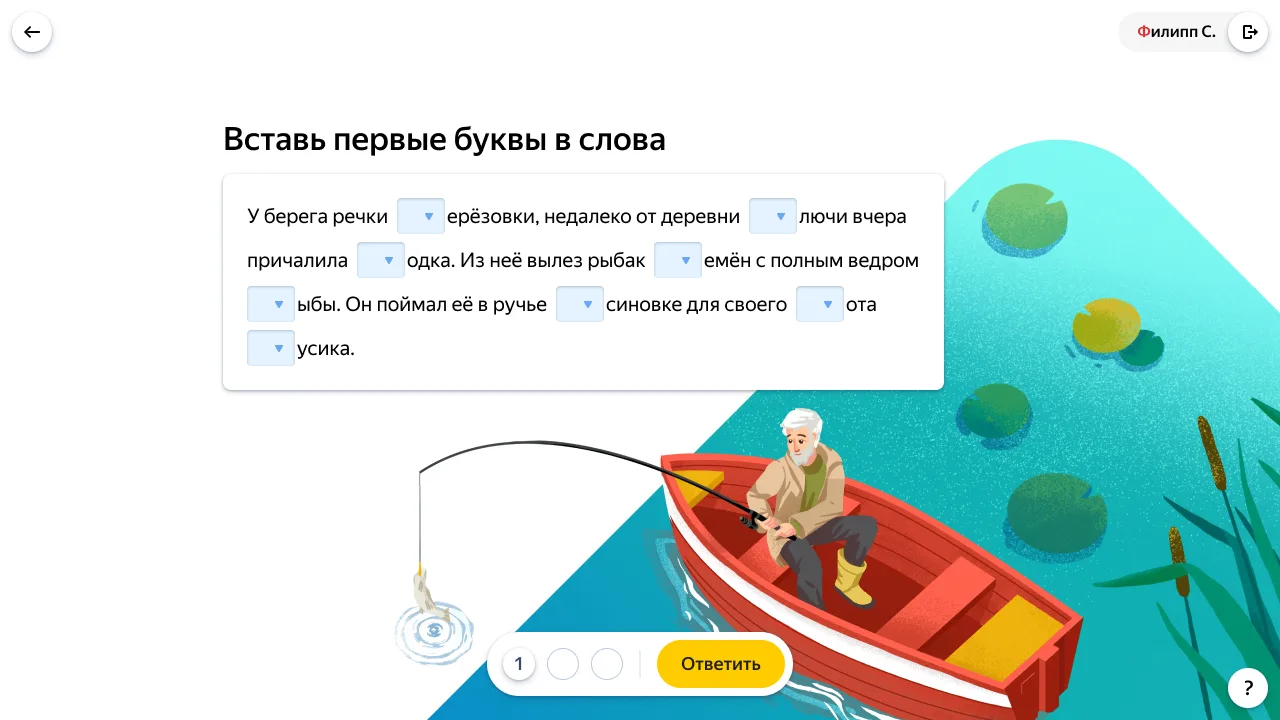
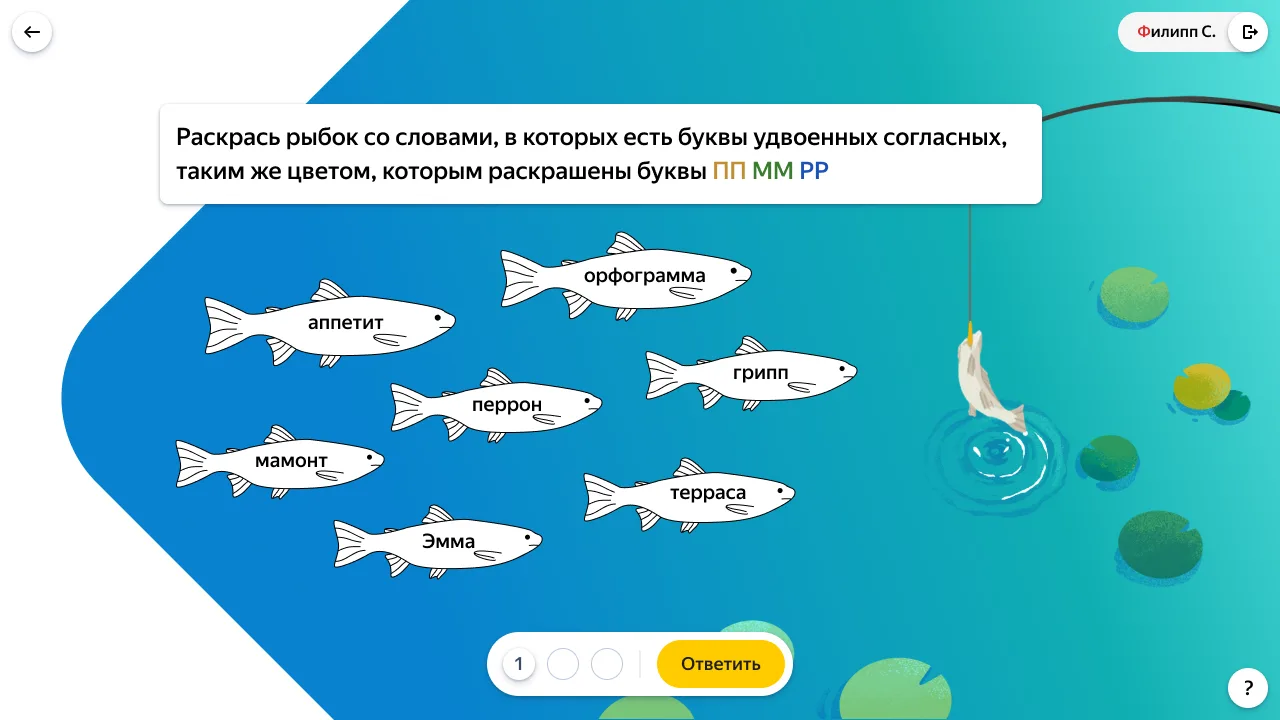
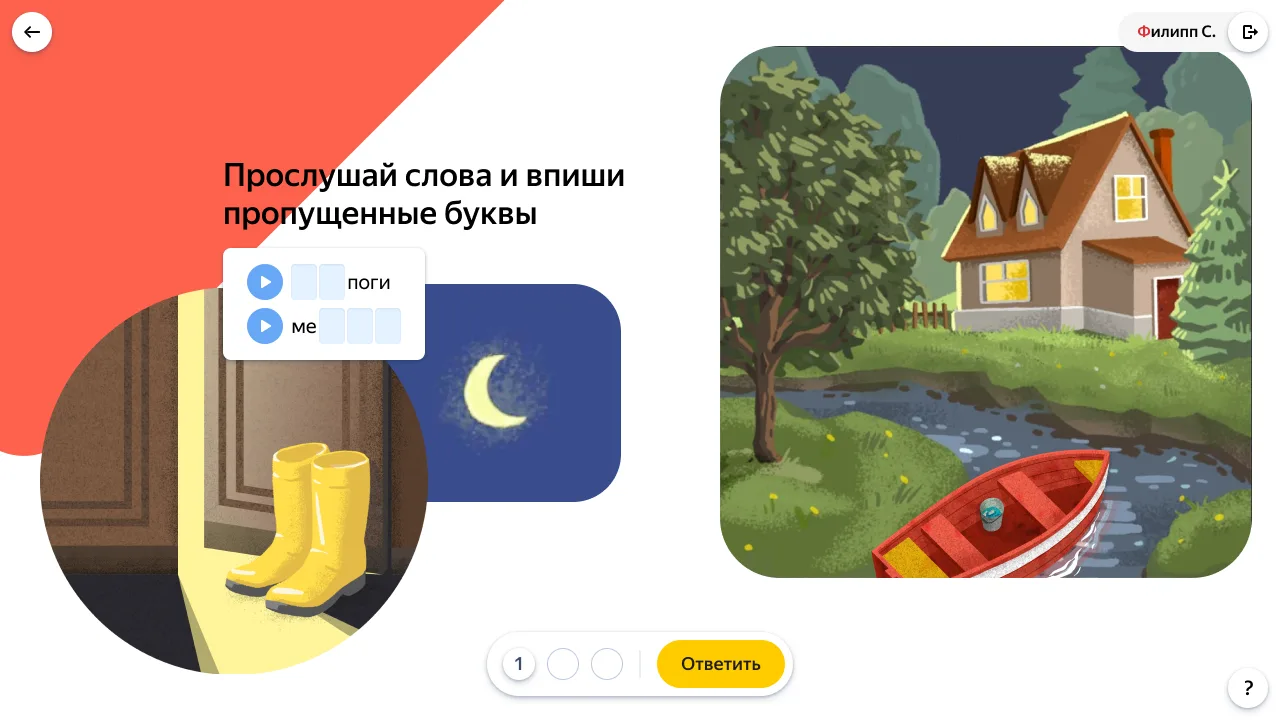
The summer club had no illustration budget and no world to draw on yet: the Yaniverse came much later. So the experiment used what the platform already owned — the encyclopaedic art sitting in the content library — and changed the staging instead. The same pictures ran large and in colour, with the exercise built around them, so a spelling exercise arrived as a fishing trip and an arithmetic one as a traffic stop.

The belief we tested

Deep in the methodology sat a belief: that a pretty exercise was a frivolous one — that learning is, as one of our methodologists put it, “a necessary violence against the child.” So we tested it fairly. The same content went out in two versions, one bare and one alive with characters and story, and the children settled the argument — they came back.

The fear ran the other way too: that pictures and a plot would work as distractors and children would solve worse for being entertained. They did not — there was no statistically significant difference in the quality of the work between the two versions. Engagement moved; accuracy held.

PlainIllustrated
Week-to-week return ~70% 85% (+15pp)
Completion 72% 88% (+16pp)
Avg rating ★ 4.5 4.9 (+0.4)

A universe the whole product family could run on

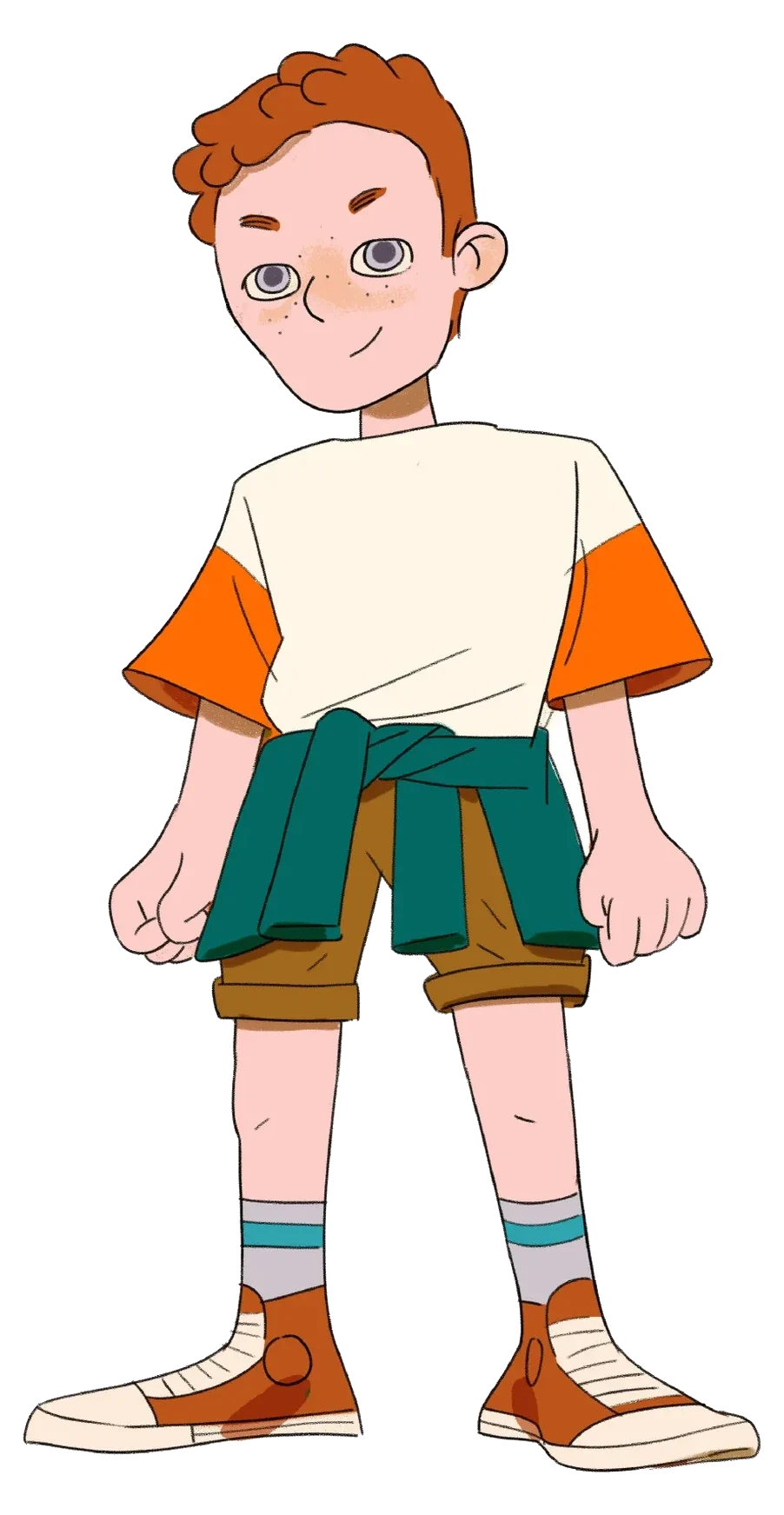
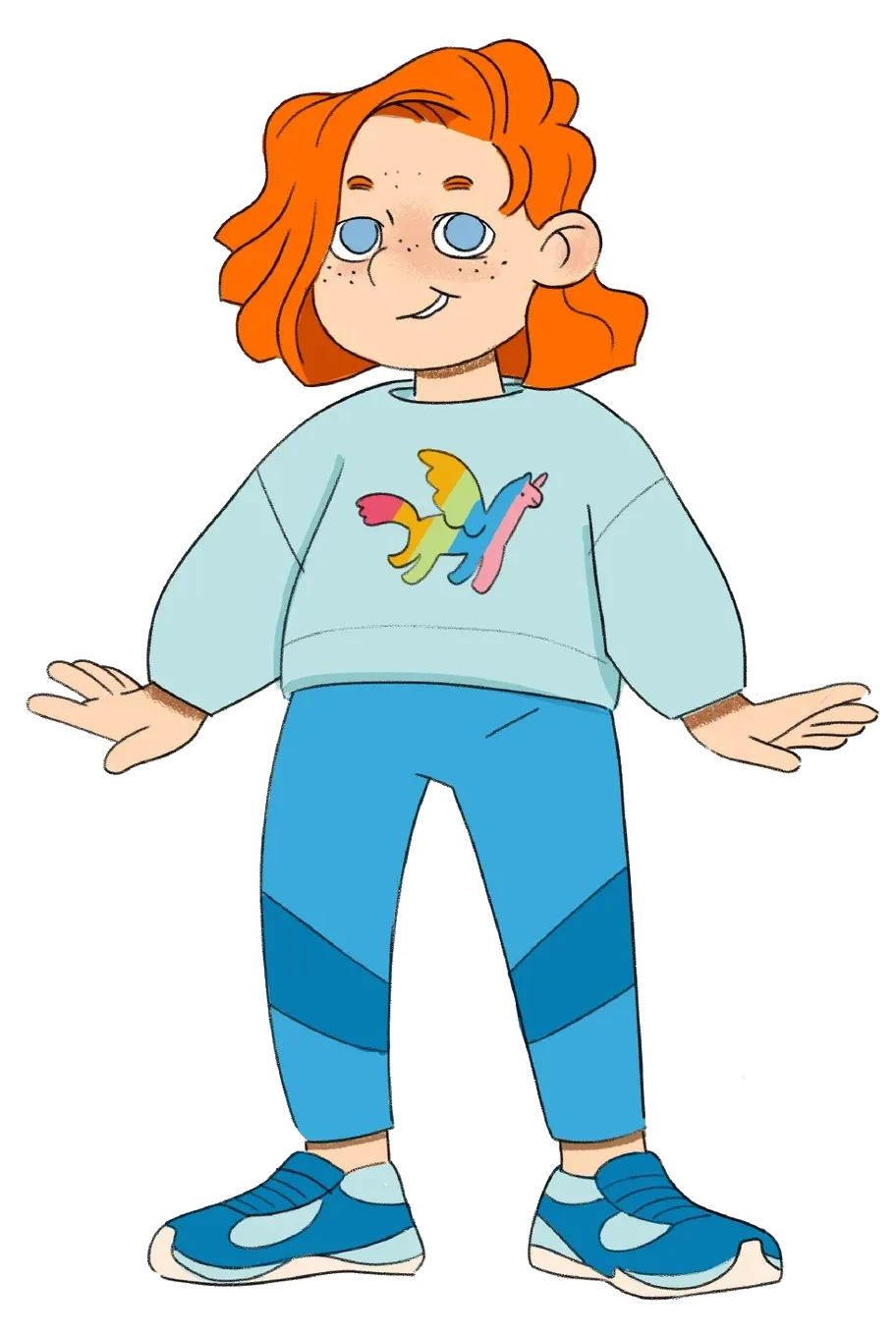
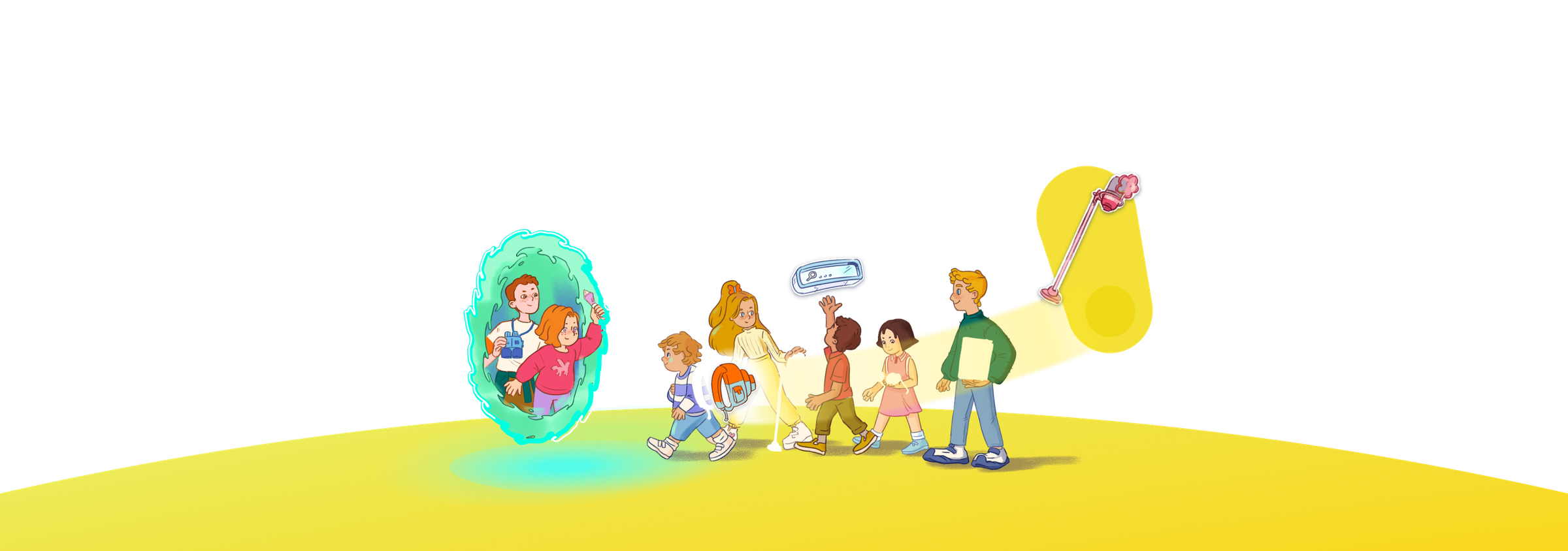
A catalogue that size needed a population. We built seven heroes: a single face turns into a mascot overnight, and a mascot was a trap — competitors had already staked their branding on one, a corporate mascot meant endless approval rounds upstairs, and we had no time to test one. Seven meant a hero could be introduced, retired or swapped before any child grew too attached.

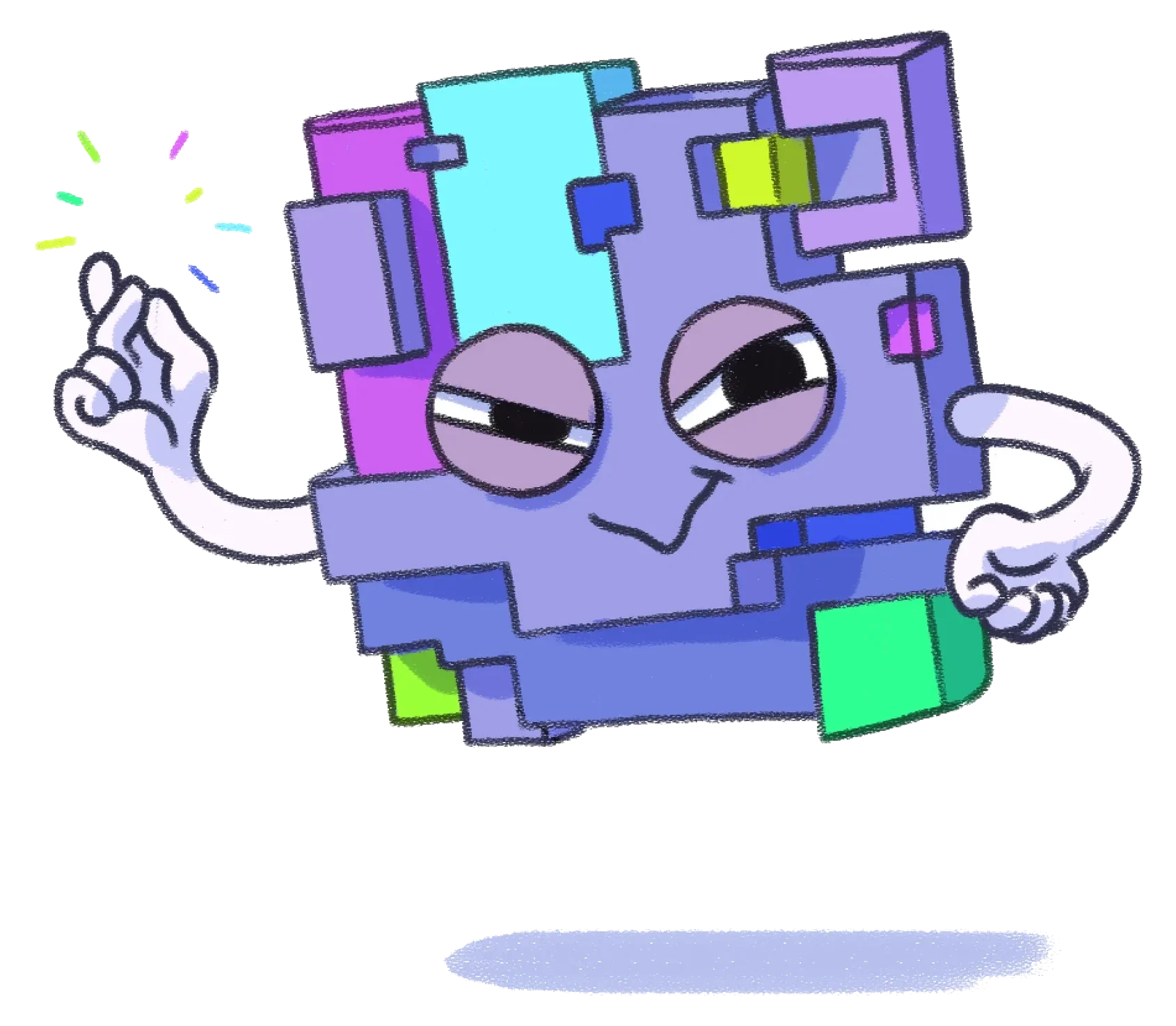
We built the universe and its lore, and it arrived sideways: the world through the cast, the lore through the small weekly stories, a piece at a time. There was no season arc — teams drafting in parallel across four grades could not carry that dependency, and neither could a child who joined in week nineteen. Only Glitch runs through everything; the rest of the trouble is local and lasts one story. All of it lived in a story bible the teams built from.

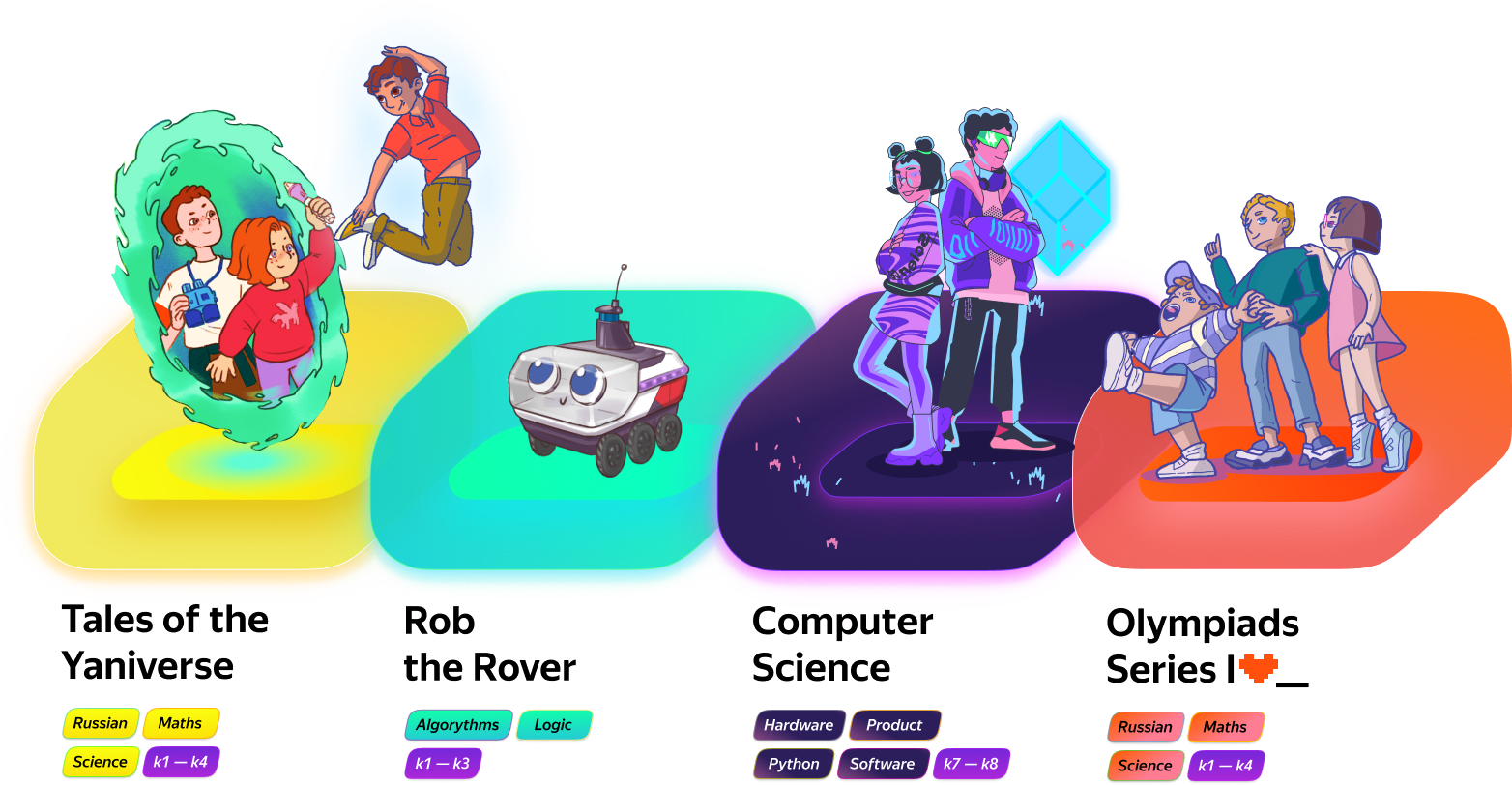
That bible is what the rest of Schoolbook ended up running on: some of it designed in from the start, like the Maths Olympiad and Rob the rover, some laid over the world later, like the middle-school informatics product.

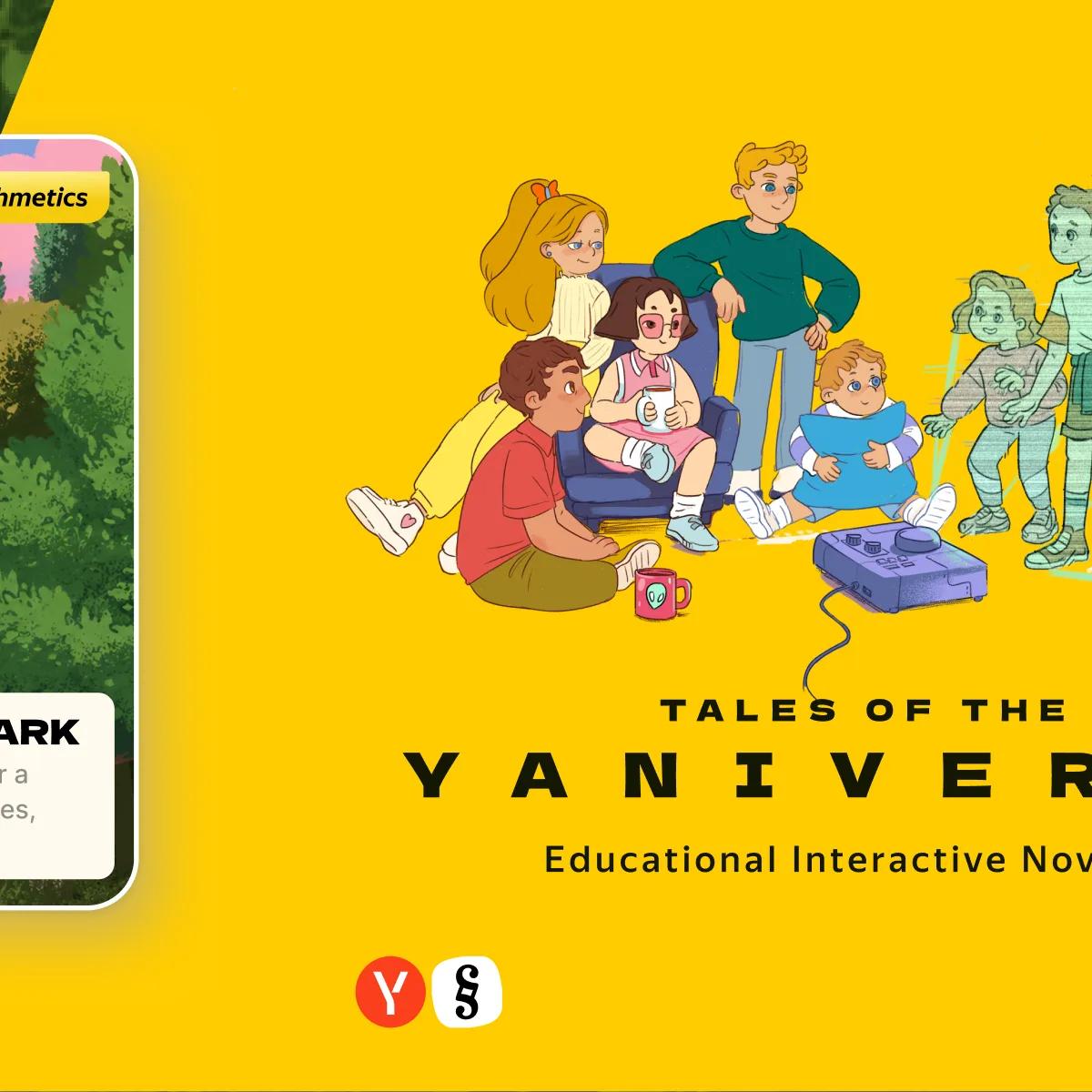
The characters are the device: every story is told through them and about them

Auditions: ten of the faces the seven were picked out of.

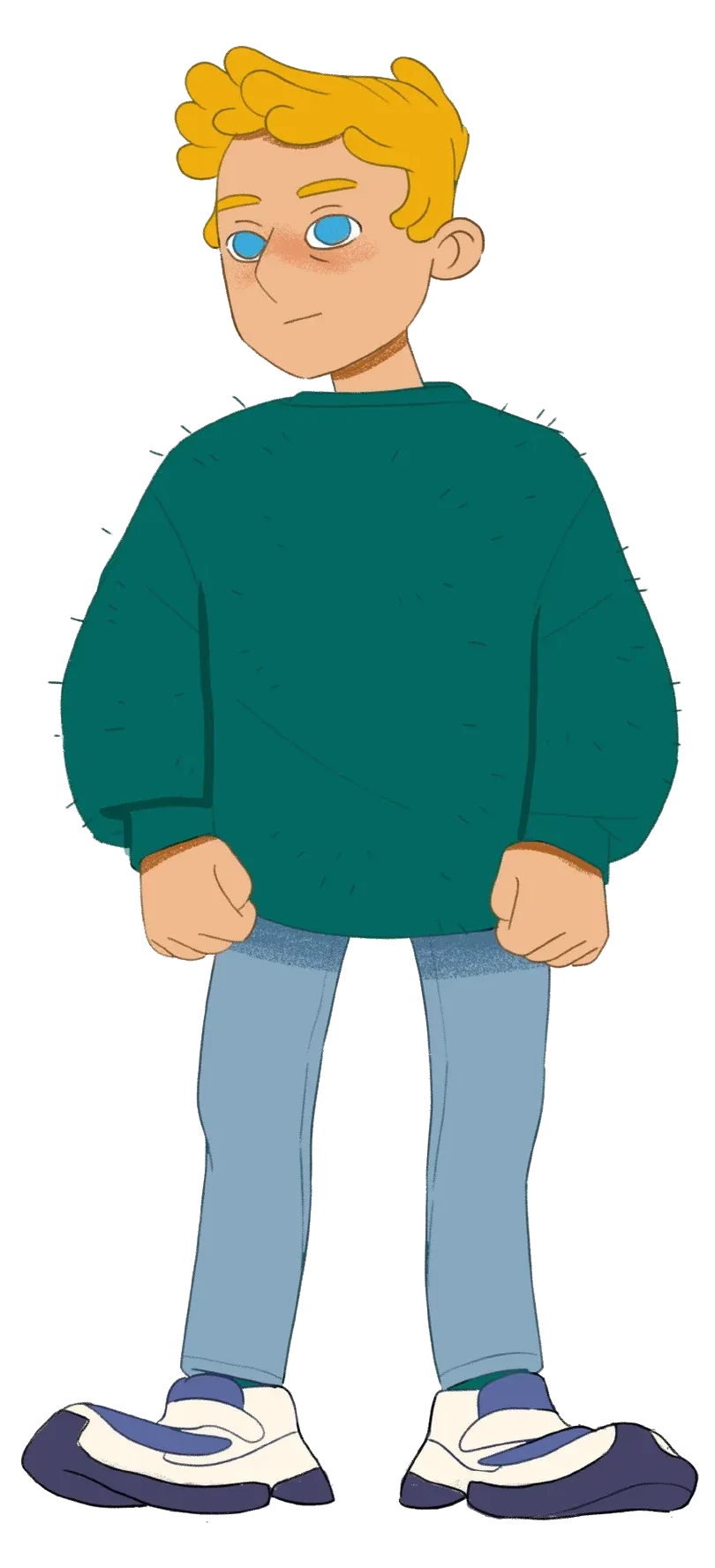
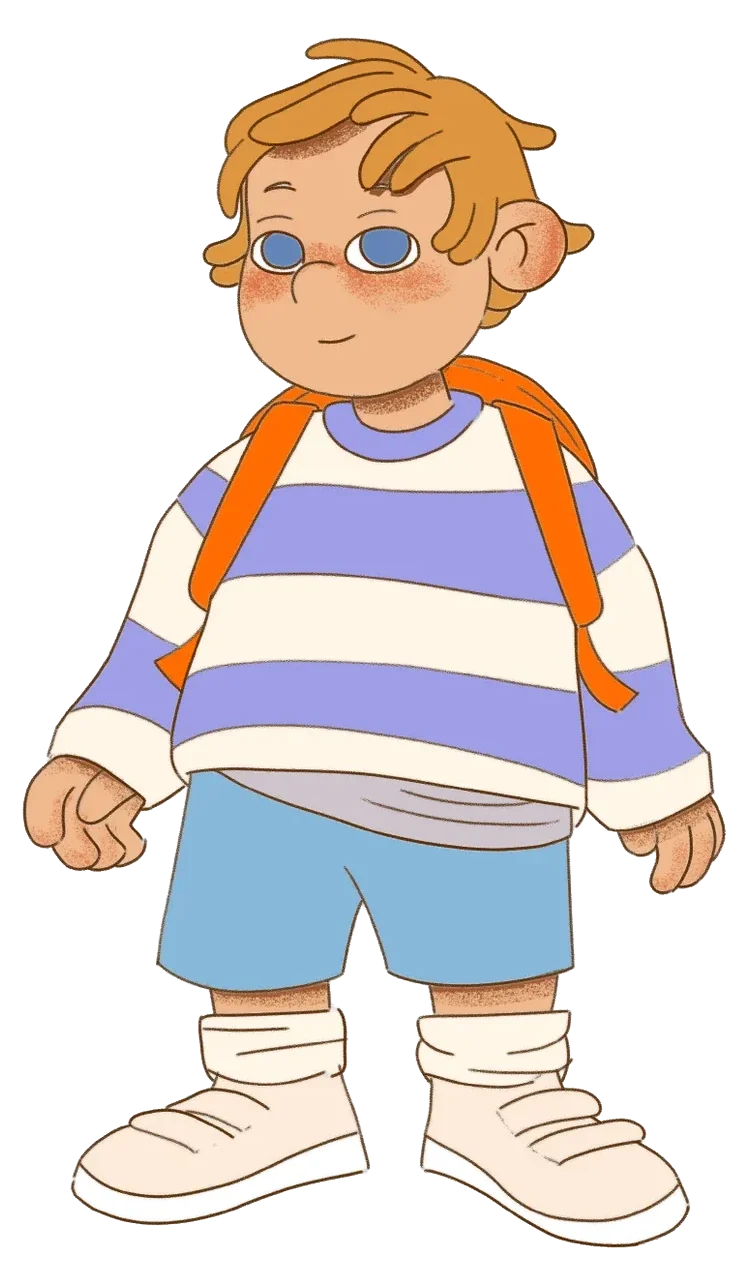
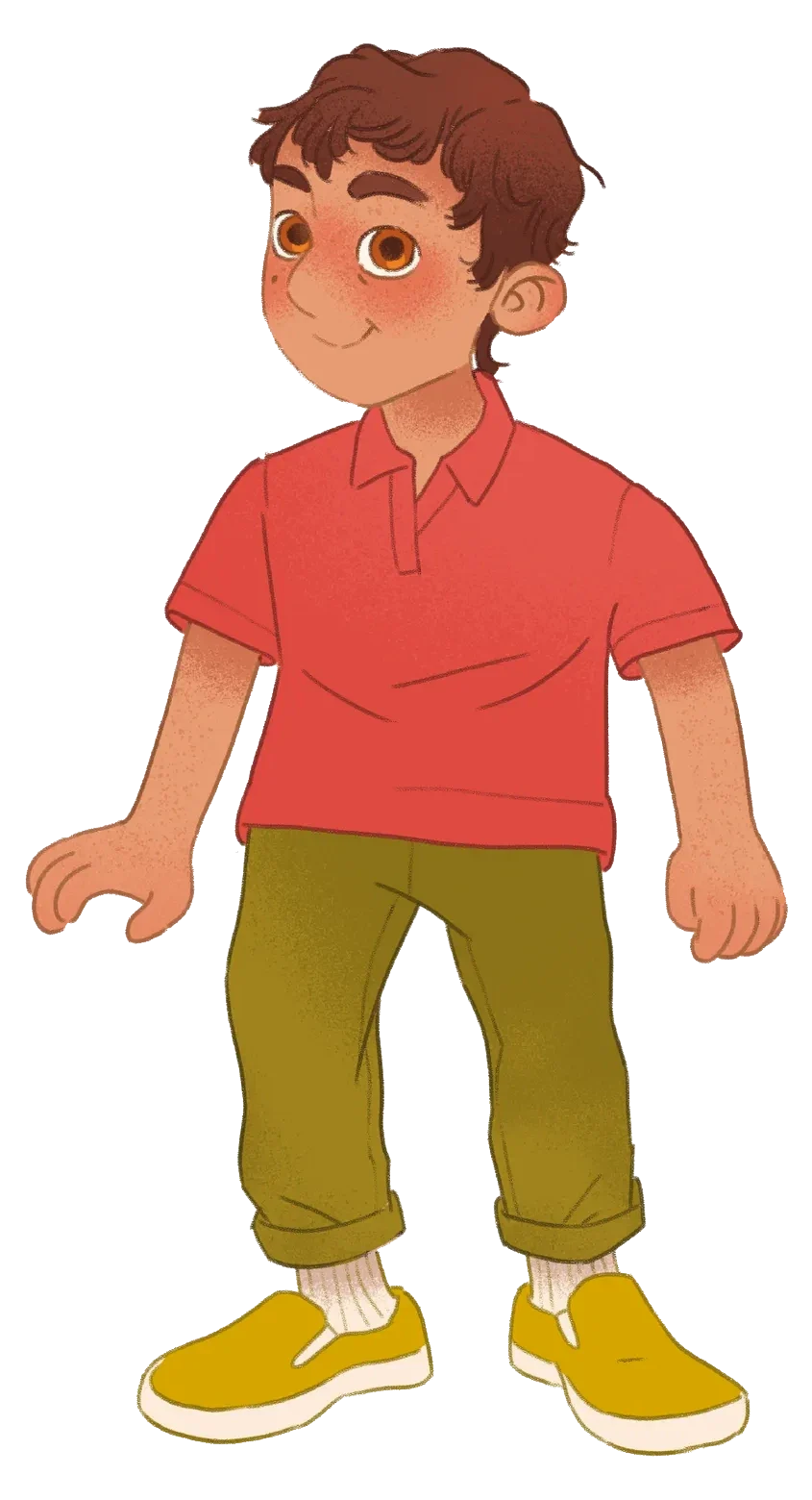
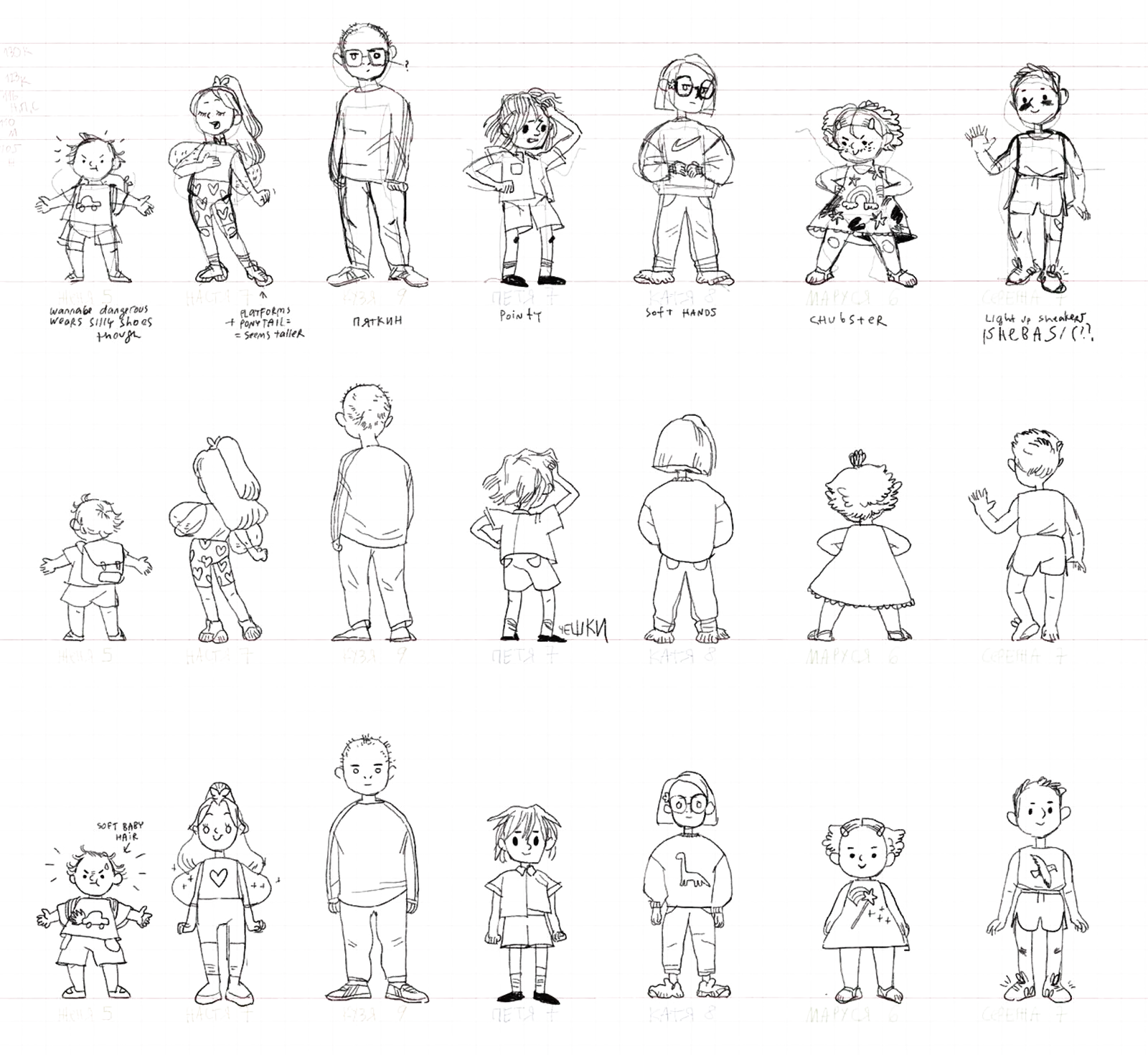
The cast had to work in silhouette before it worked in colour. Seven children a six-year-old tells apart at a glance, and any team can draw without asking us: the tallest, the roundest, the one whose ponytail adds ten centimetres.

Front, back and turnaround for every child.

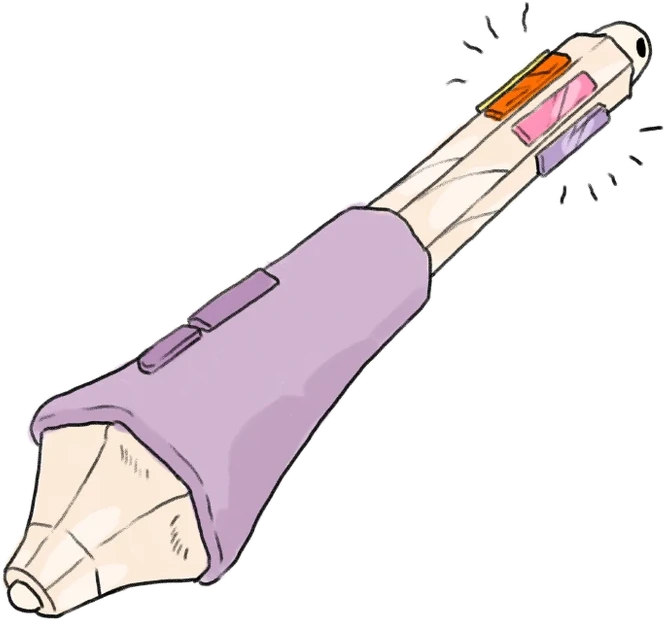
Then every hero got a life to stand in — a temperament, a family, a best friend, a grudge, who annoys whom — and a power that is a Yandex service wearing a costume. Each also got an object — a prop a child can point at names a hero quicker than any description.

All of it went into a character bible, and under the bible an asset library: every hero in a range of poses and expressions, each one delivered on alpha. A scene could be assembled from parts — a pose swapped, a face changed — without anyone redrawing the hero. It is how an animation studio works, and it is what let every team keep drawing the same seven children.

By the time the writers opened the bible, the people already existed. They were casting them.

Nastya

Nastya

Puts it on stage

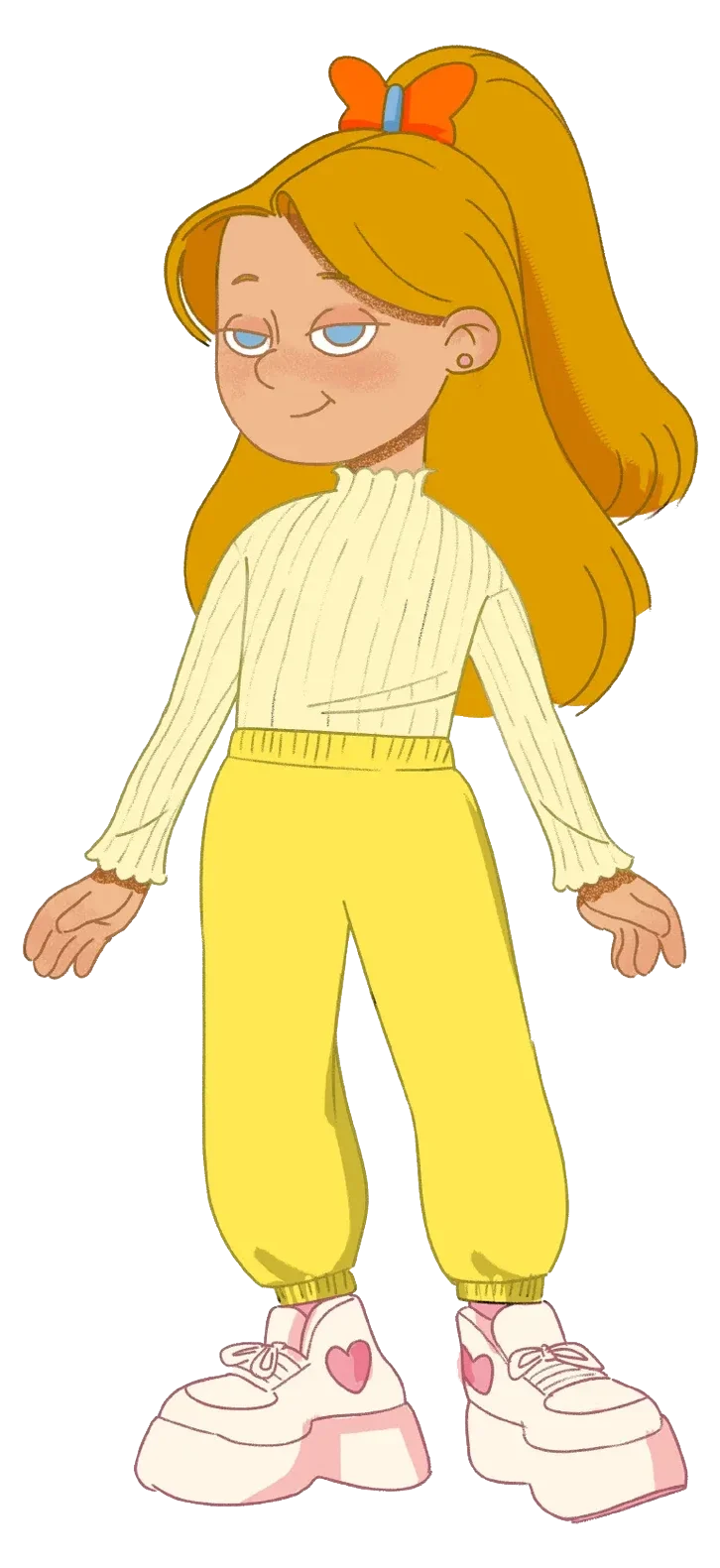
Seven, and already directing. Nastya turns whatever is happening into a show — she stages it, narrates it, and films it from three angles at once. Platform shoes and a high ponytail so she reads as the tallest child in the line-up even when she is not.

  • A flock of camera drones
  • A microphone
Four tools to tell a story with

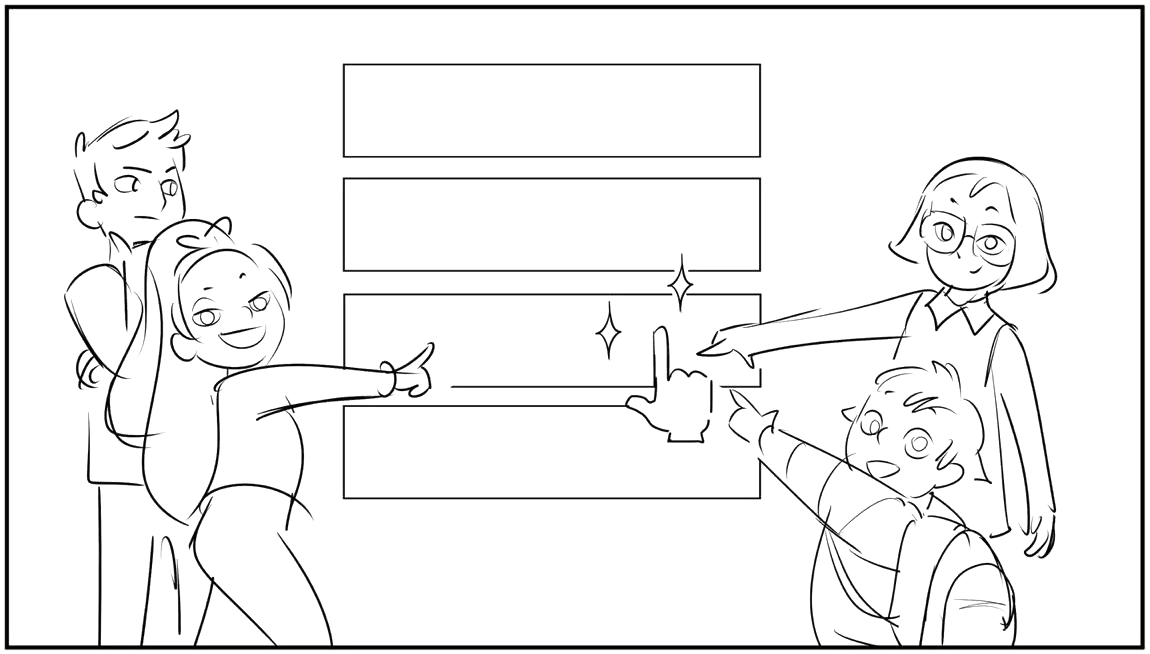
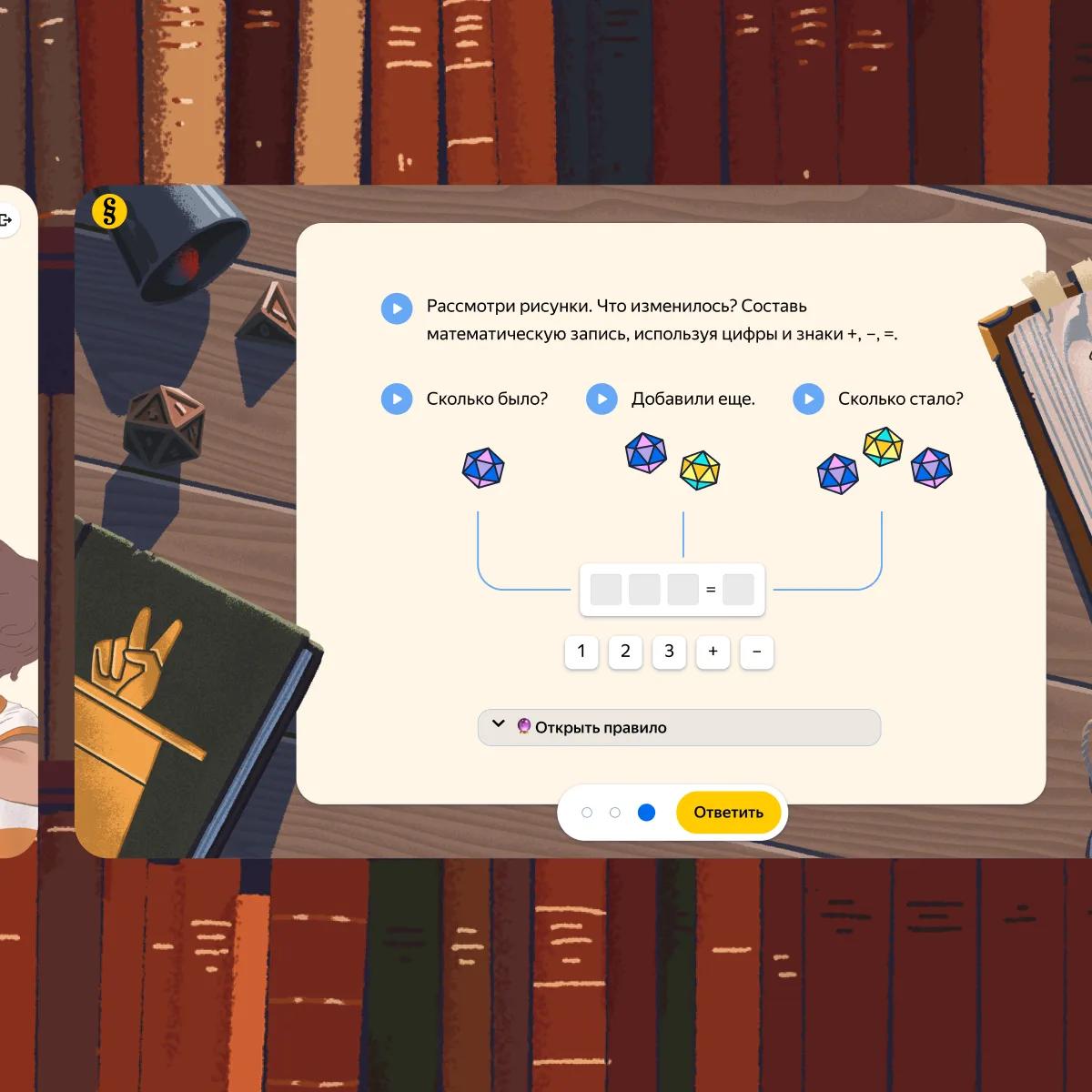
Layout first: where the answer goes, and who is standing around it.

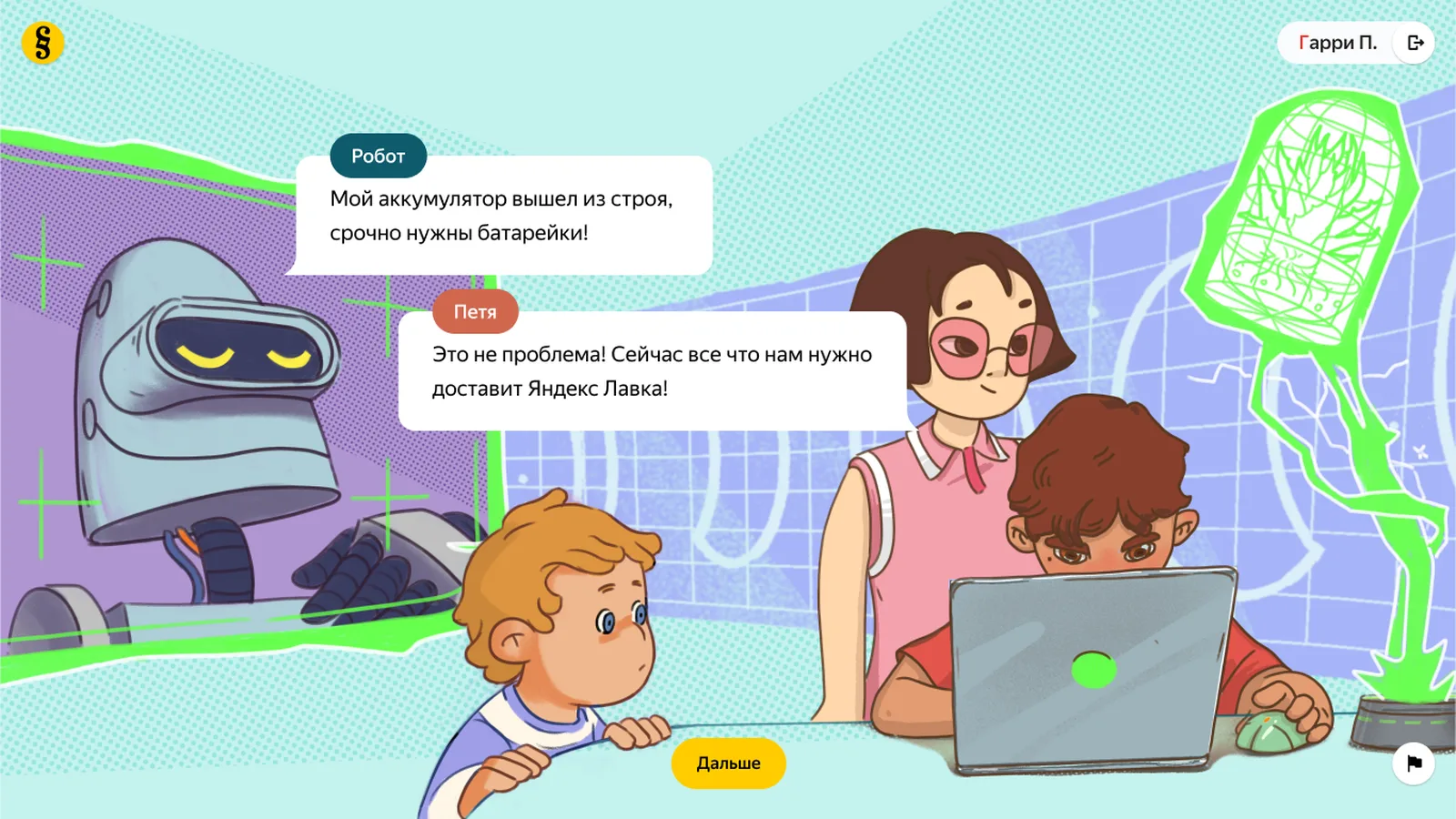
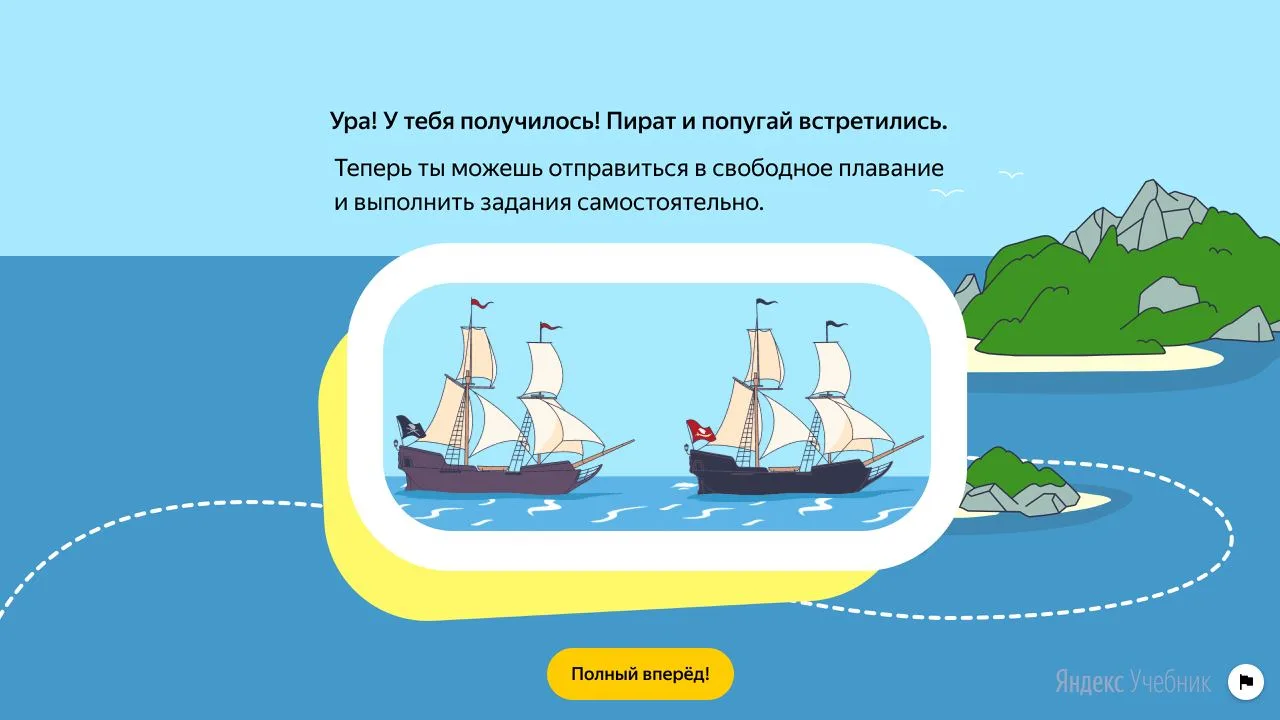
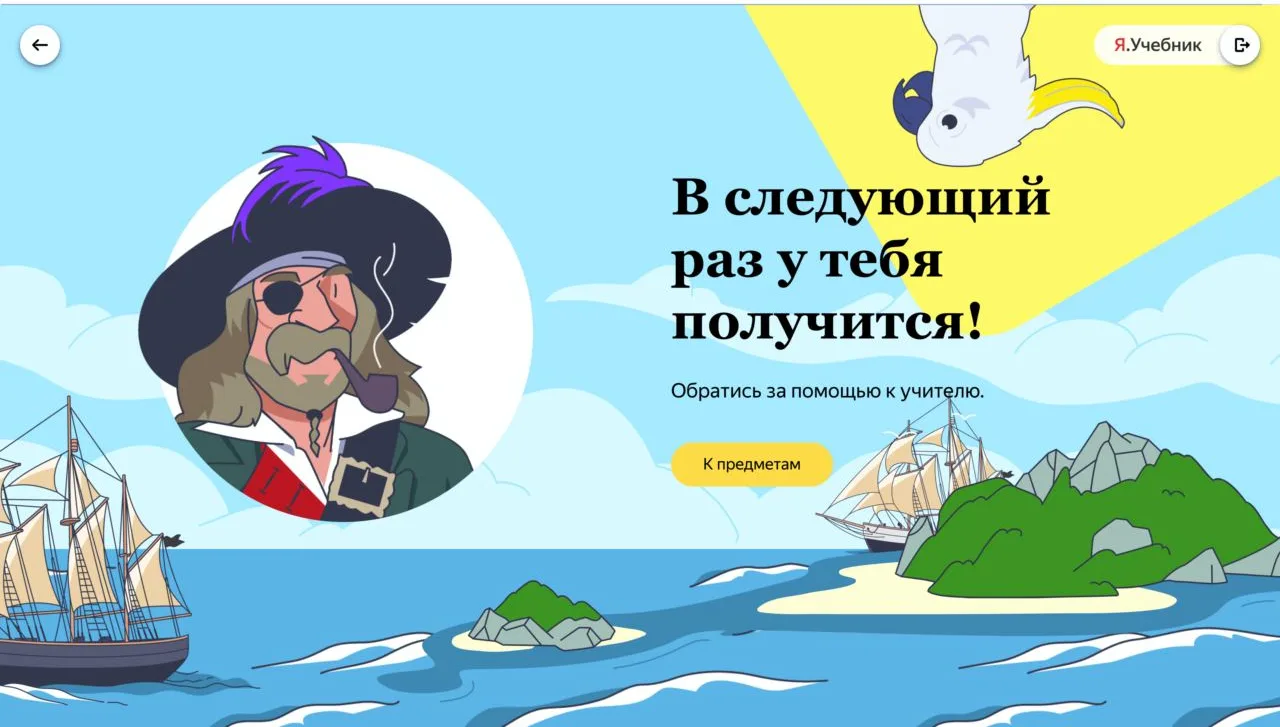
A week’s story was a handful of exercise layouts, and the kit for telling anything inside them was small: the layout itself, the poses the cast stand in, what their faces are doing, and the objects in the scene. No camera, no cuts, no narrator — a child gets the plot from those four things or does not get it at all.

The stories had to be simple. A child reads them between two exercises, so the plot cannot compete with the maths: clear enough to follow in four lines, plain enough for a seven-year-old, and still obvious enough that you notice a story is being told at all.

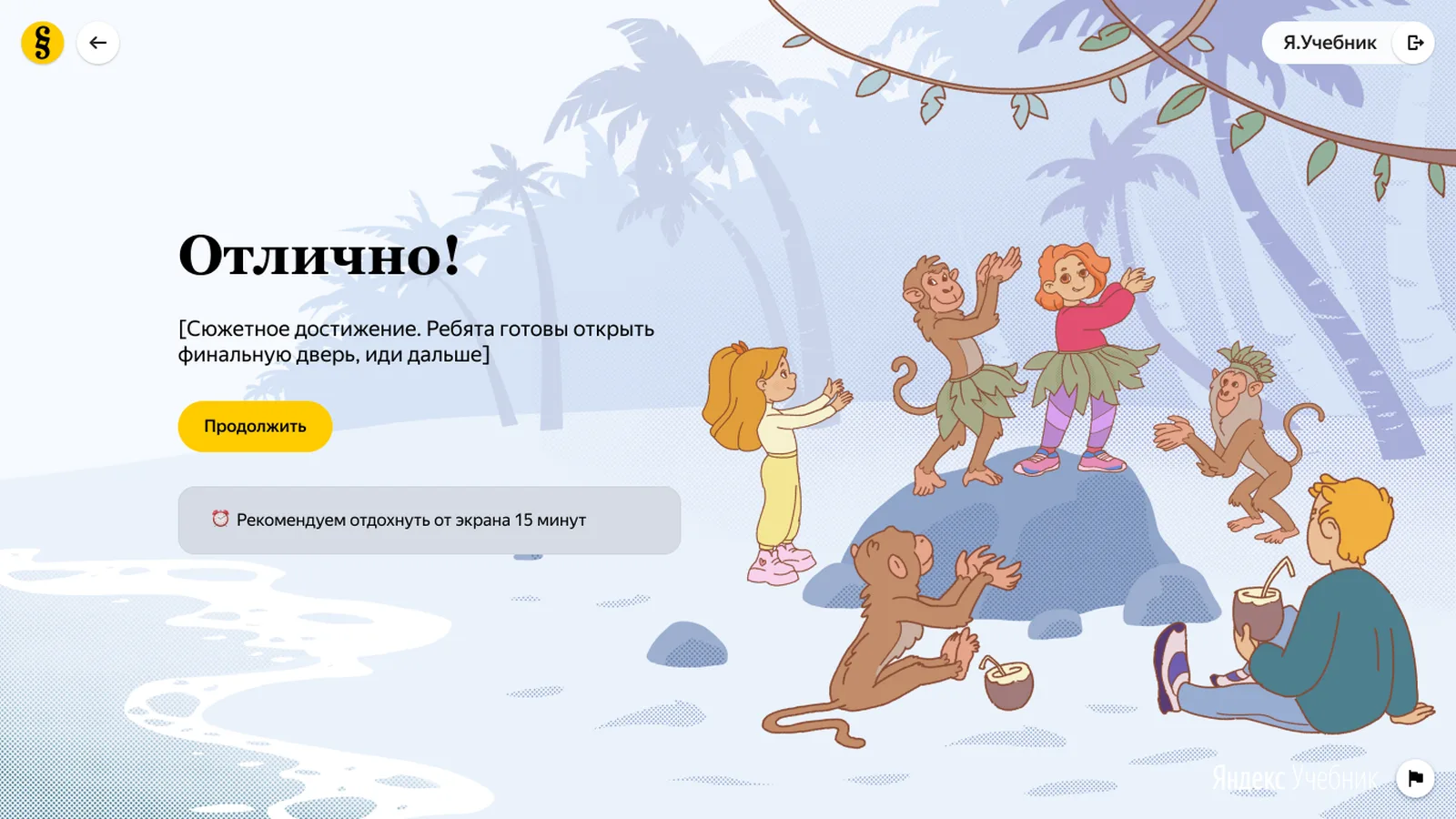
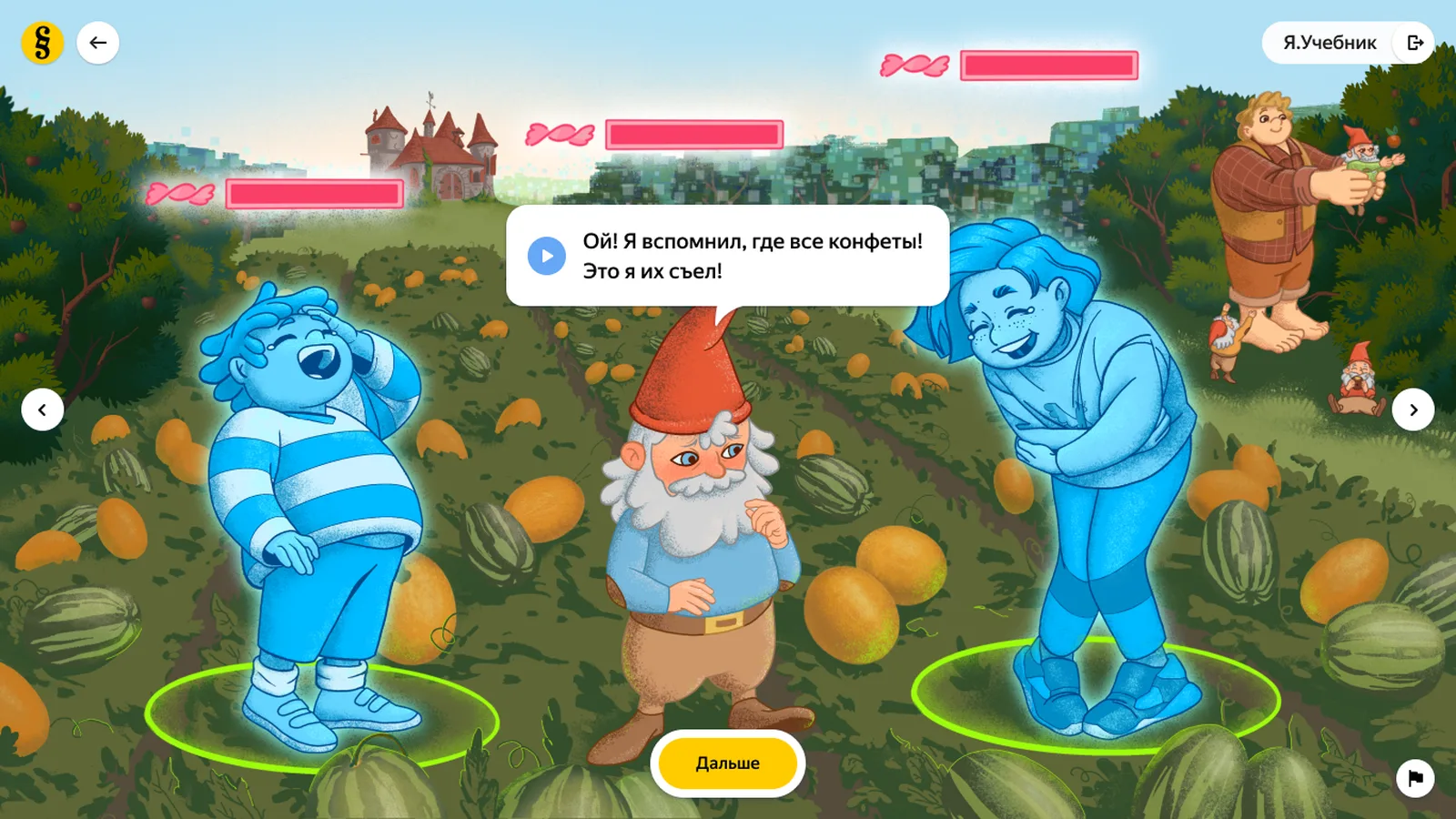
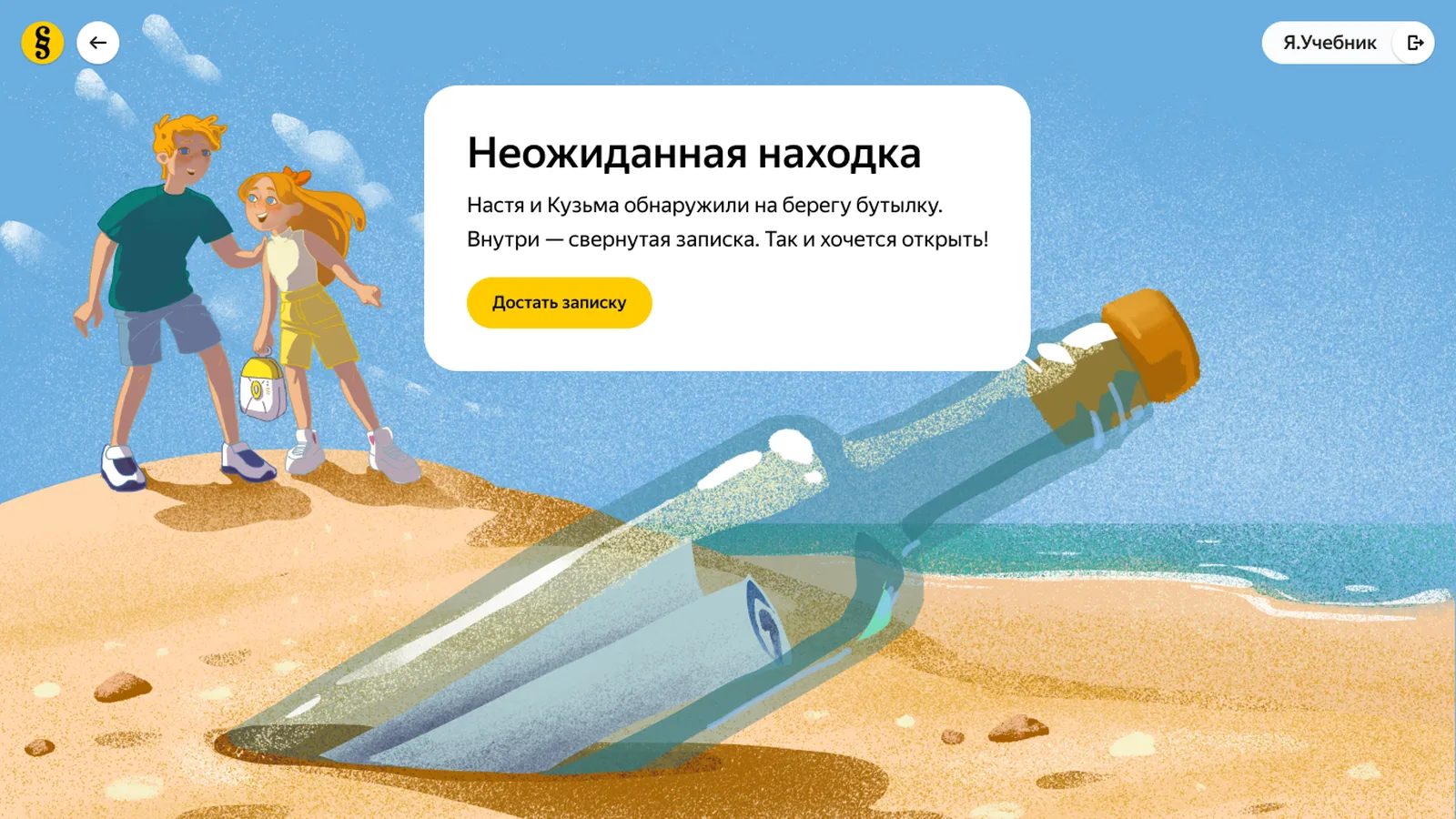
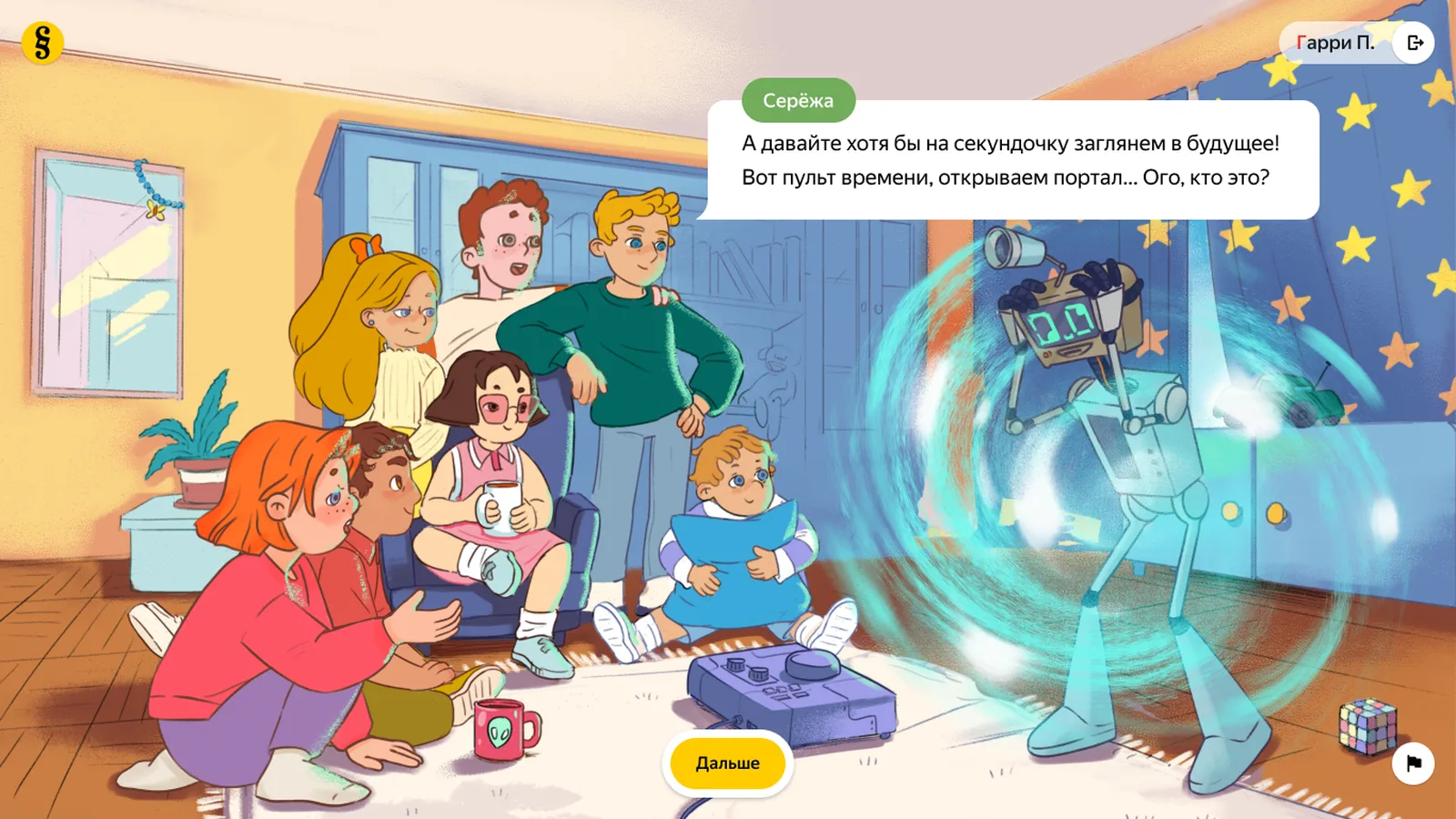
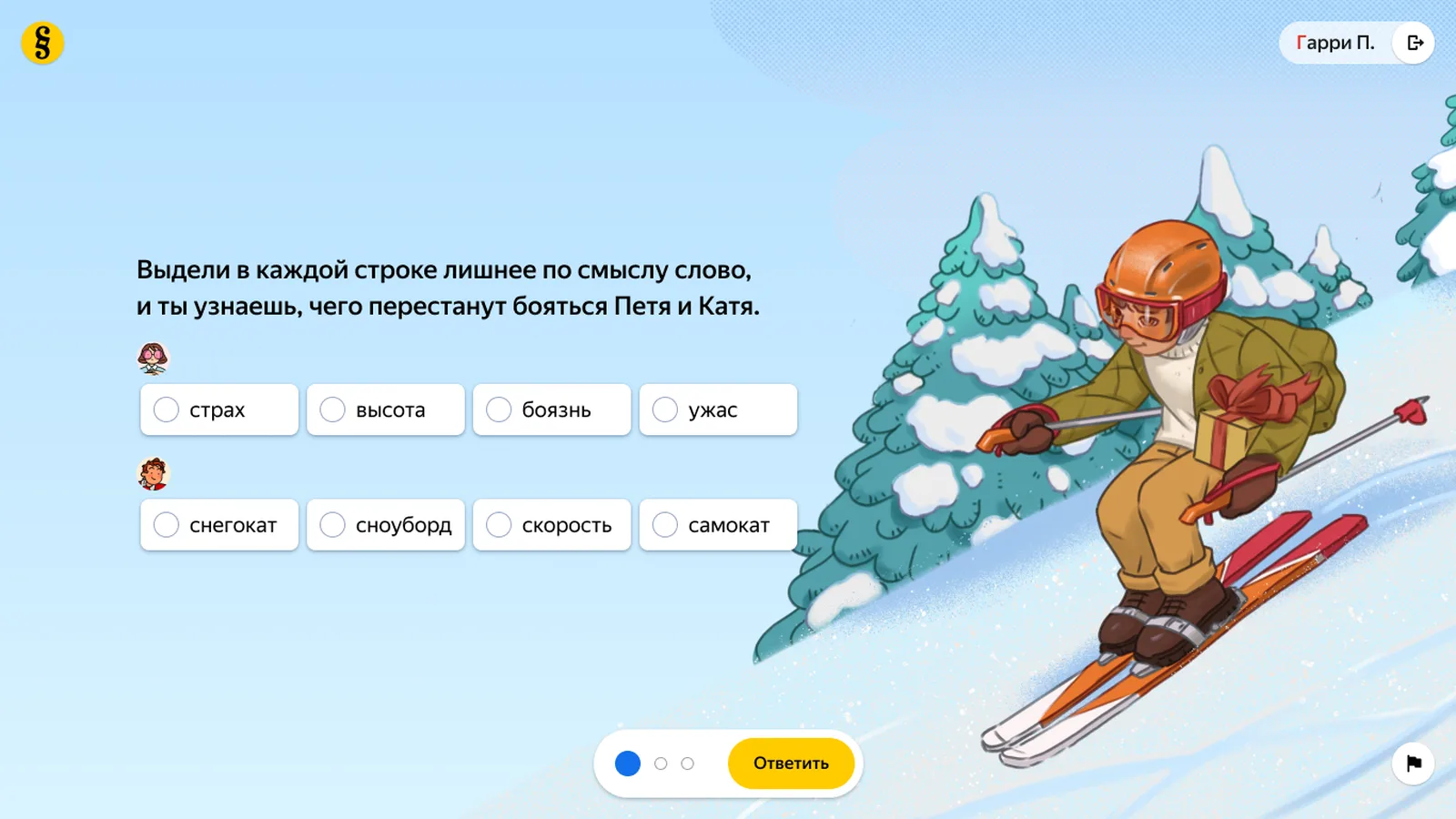
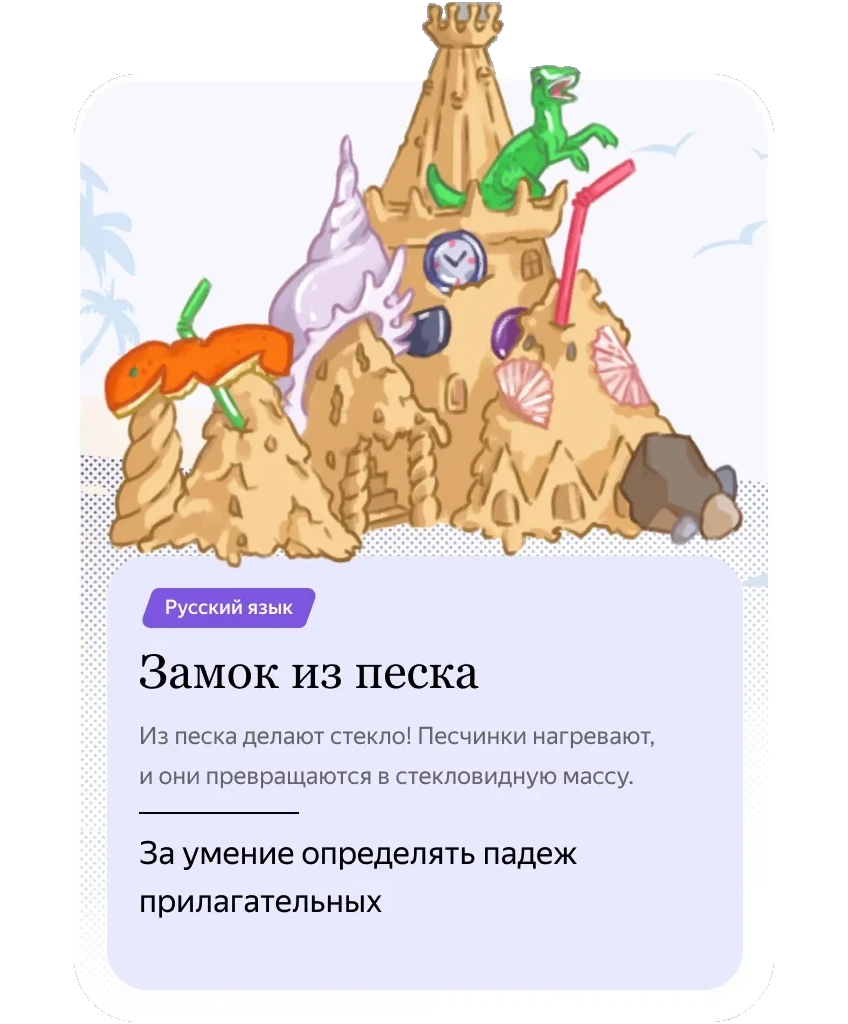
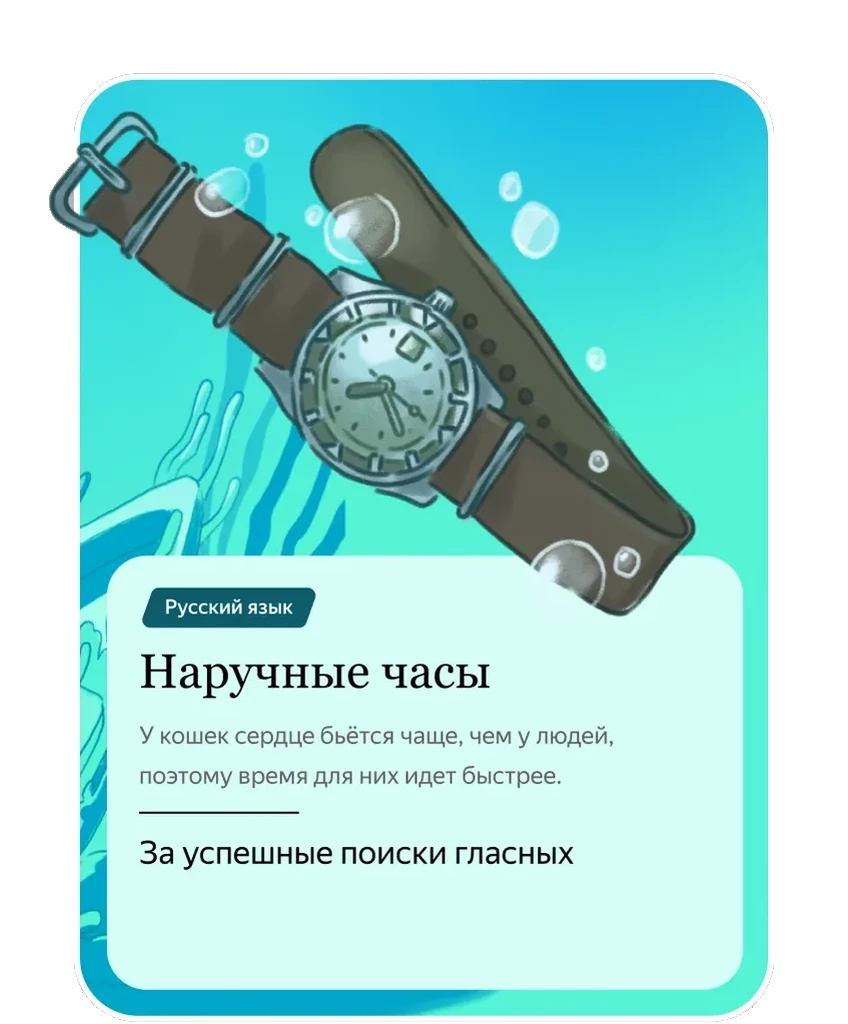
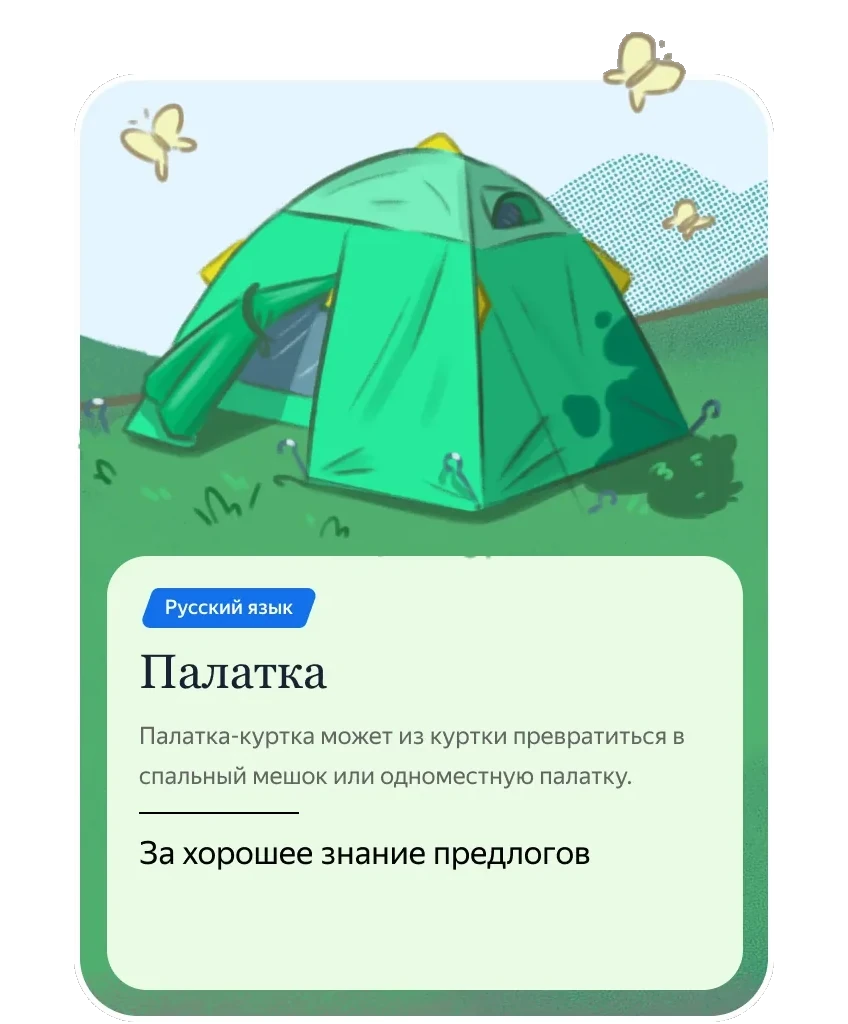
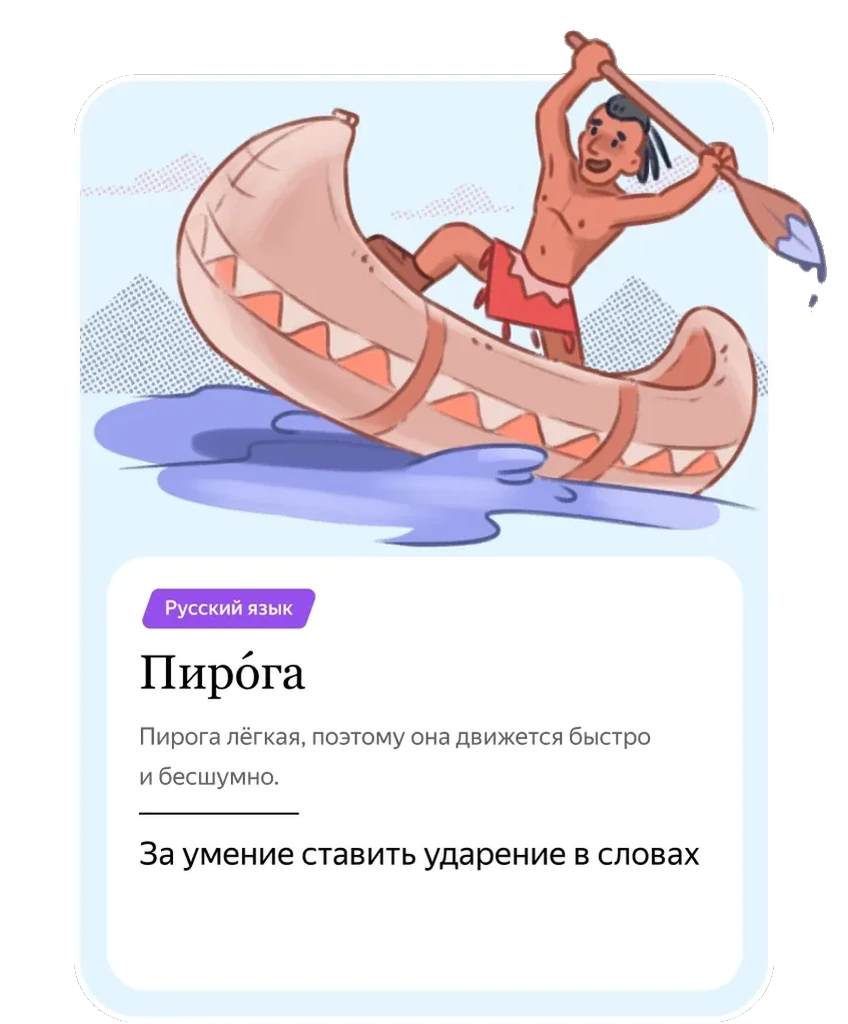
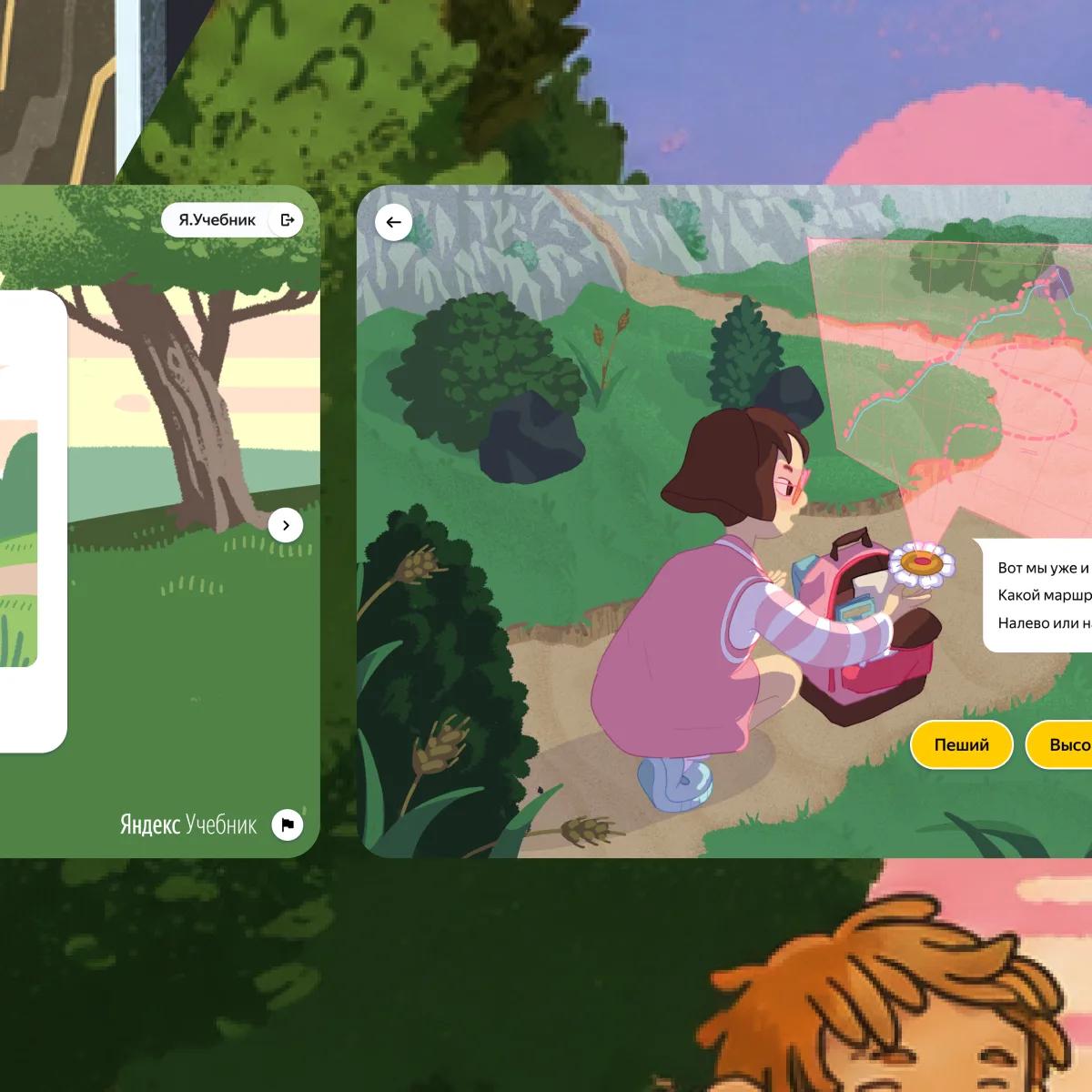
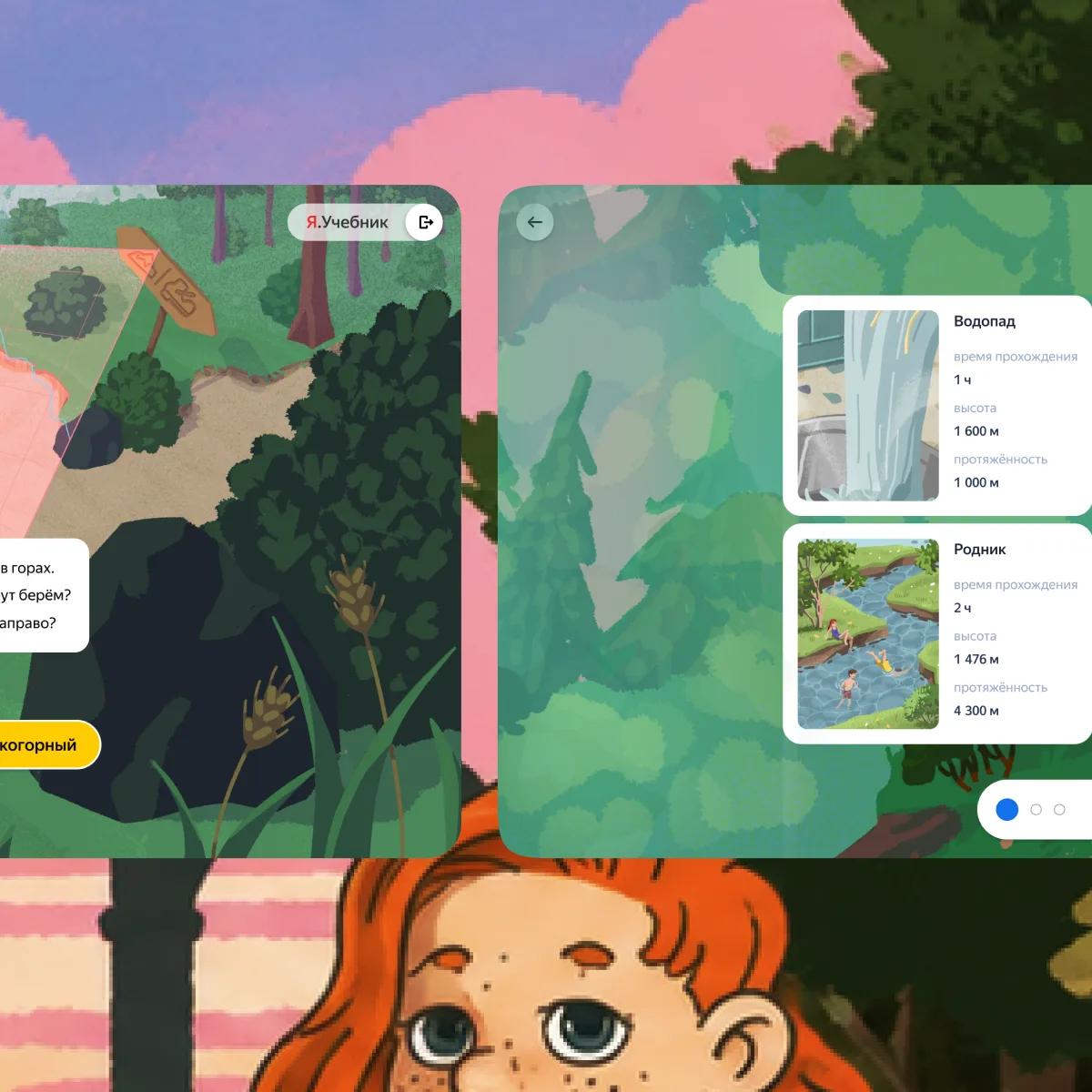
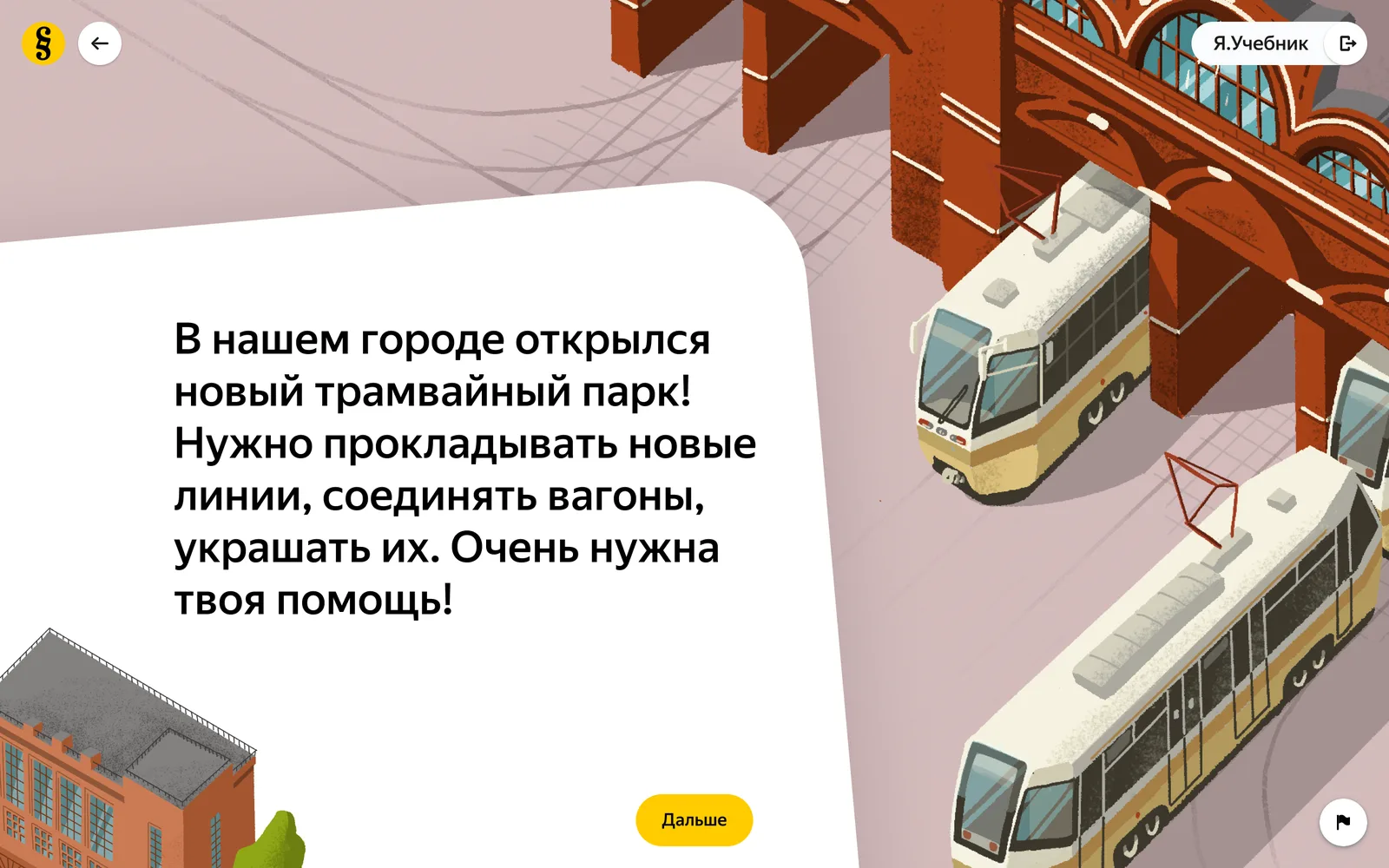
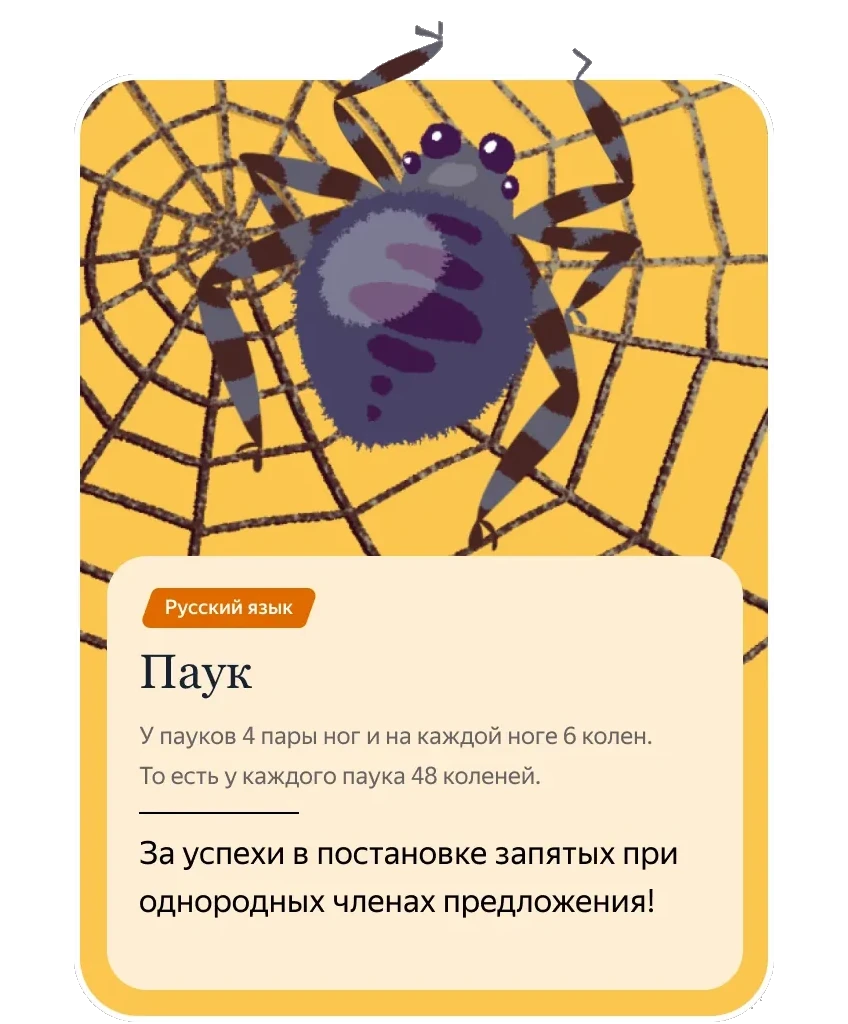
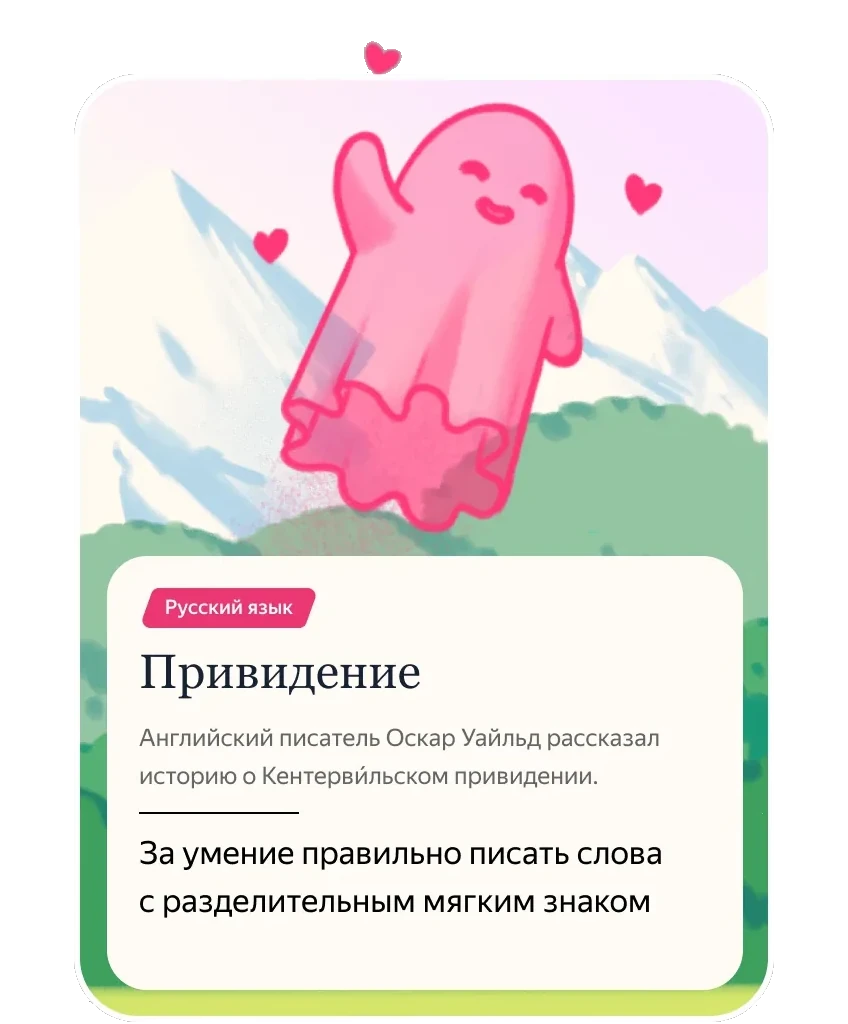
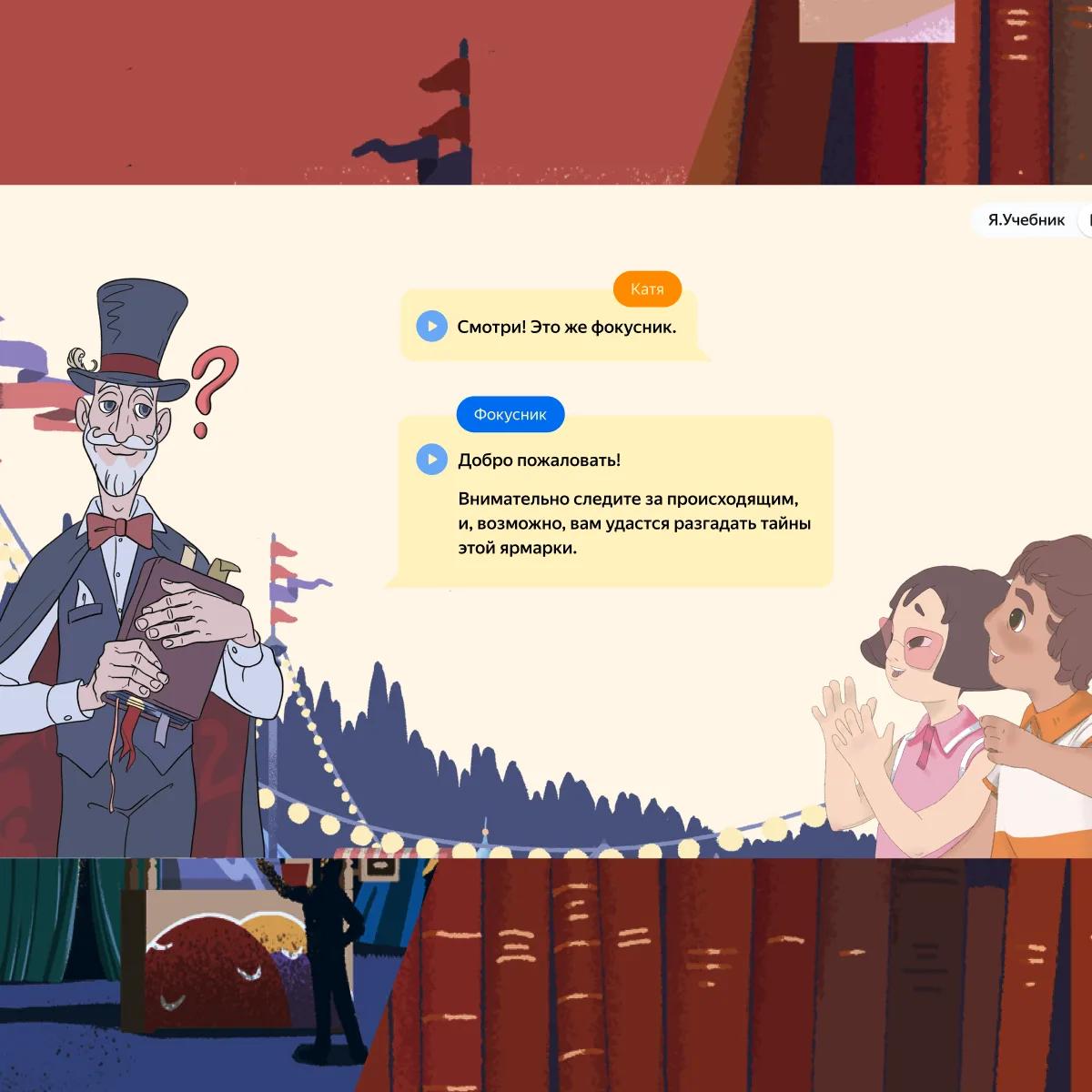
So the plot came out of the place. Put the cast on a tropical island, in a watermelon field, on a ski slope, at a train platform, on somebody’s living-room couch, and the location hands you the situation, the props and half the vocabulary the exercise needs. Layouts and backgrounds were built for exactly that: one scene, room in it for the dialogue, and nothing competing with the answer field.
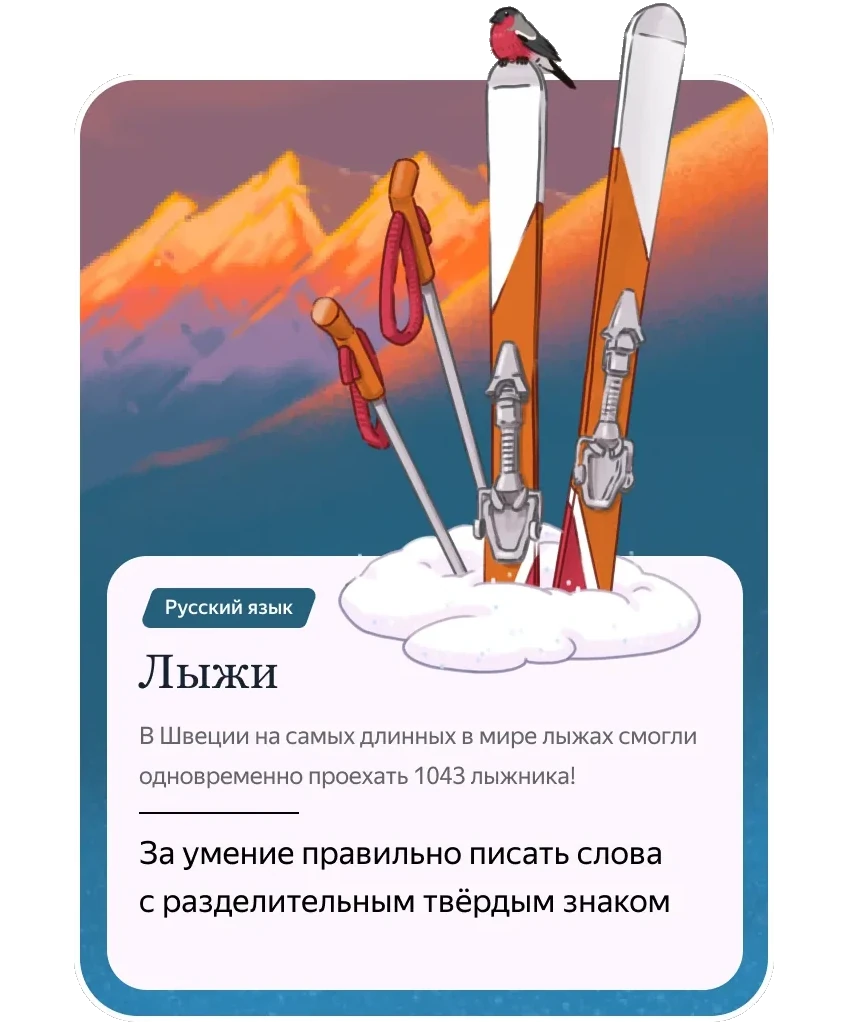
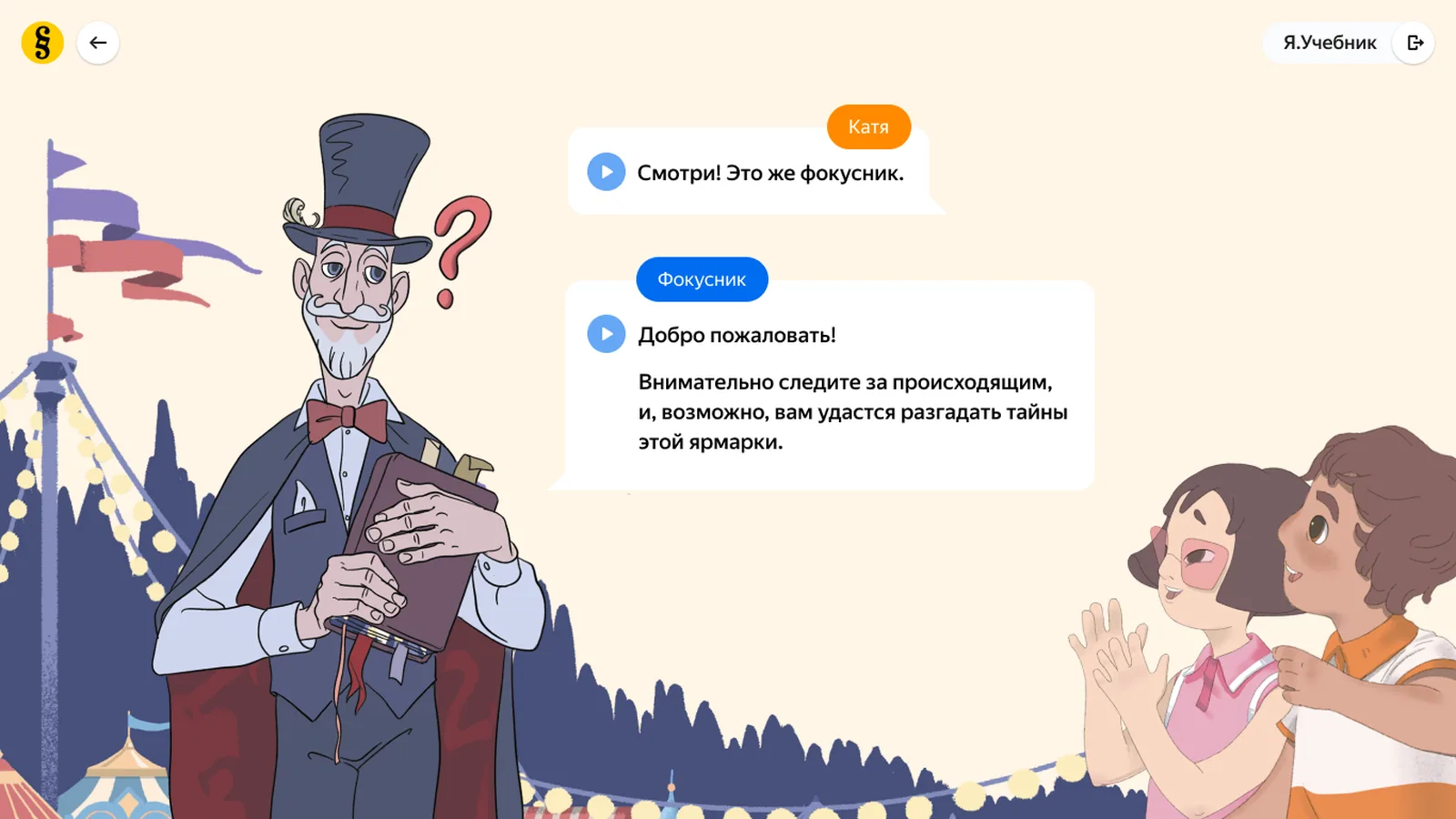
The rest came from the supporting cast — whoever else happens to be in that place. They give the week a face without adding a plot anyone has to remember, and they are local by design: a supporting character belongs to one story and leaves with it. A team could invent whoever the exercise needed without clearing it with everyone else drafting that month.
Plots & scenes

The production line

The experiment had worked, so I took over production with one thing to solve: a format proven on a handful of stories now had to arrive every week, in three subjects, across four grades.

The company was organised vertically — illustrators sat with illustrators, methodologists with methodologists — and a story travelled through every department in turn before it reached a screen. I broke those departments up into cross-functional teams: a methodologist, a designer, a scriptwriter, an illustrator, a content manager and a producer — a role I introduced to own the schedule and the hand-offs. Each team carried a story from brief to shipped screens.

We started with three. Once they held their cadence, we scaled to eight.

340
weekly stories
4 grades × 34 school weeks — a weekly theme in Russian and Maths, a fortnightly one in Science — a full school year, shipped in about six months
8
cross-functional teams
Methodologists, designers, scriptwriters, illustrators, content managers and producers across Russian · Maths · Science × 4 grades
~2,380
screens
about 7 per story

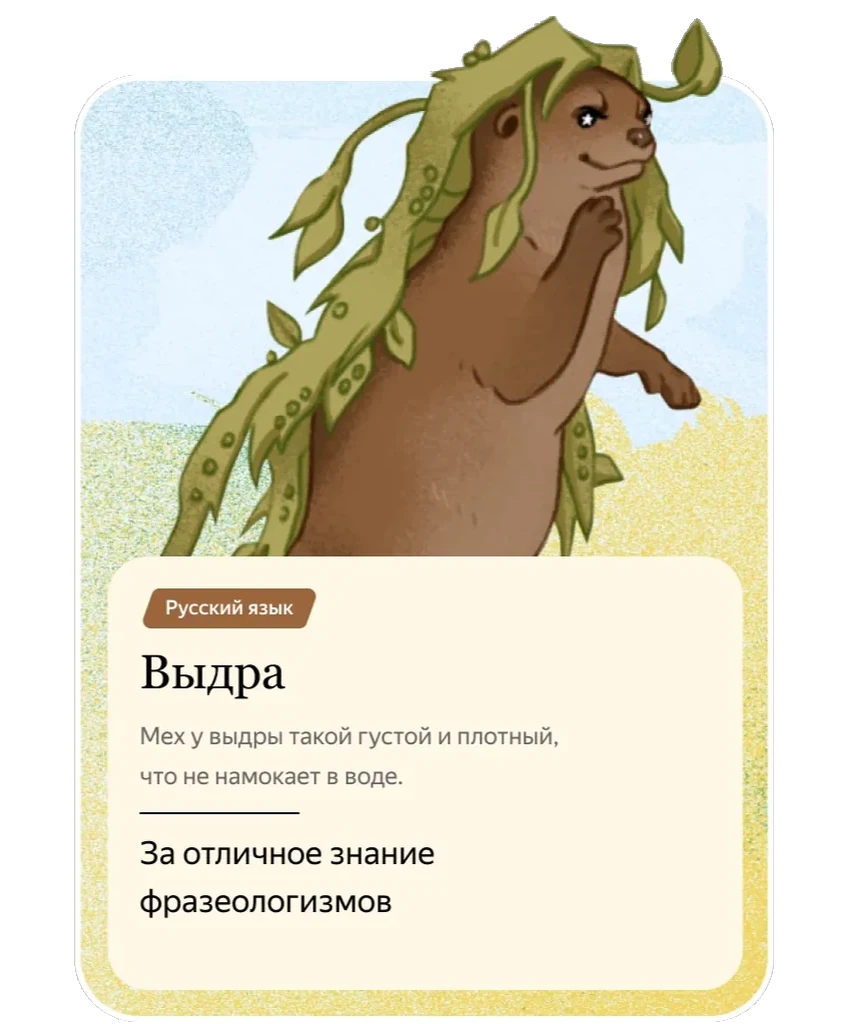
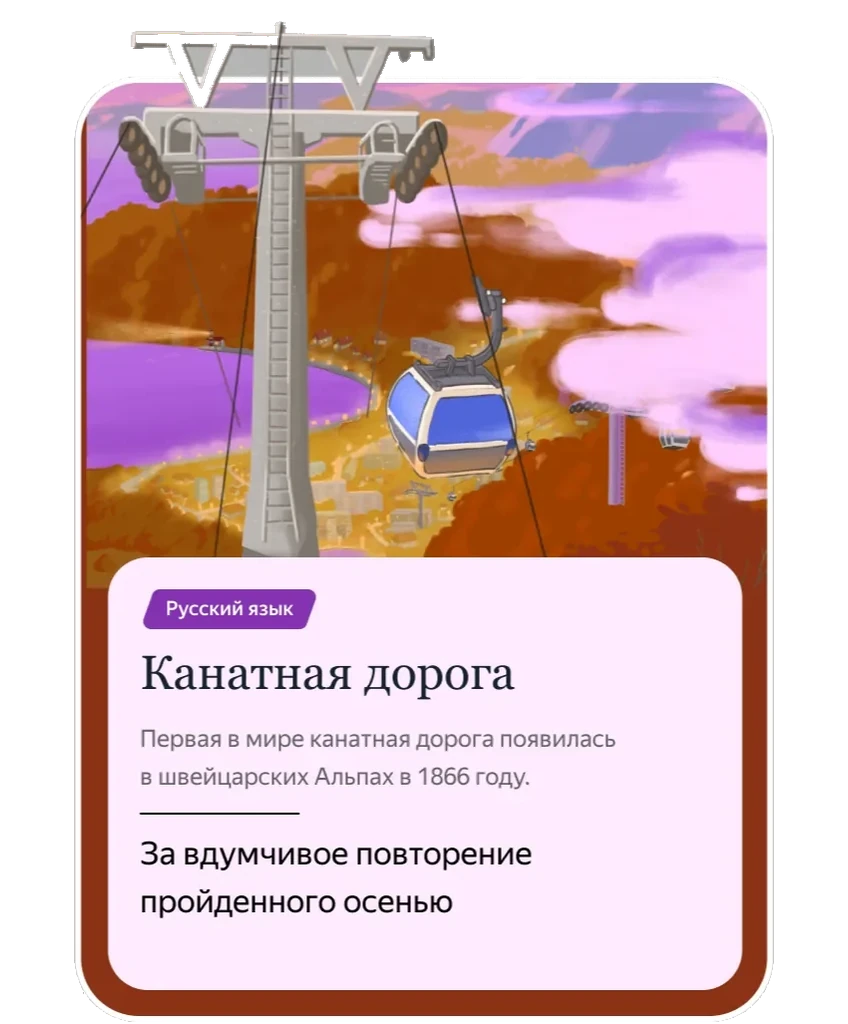
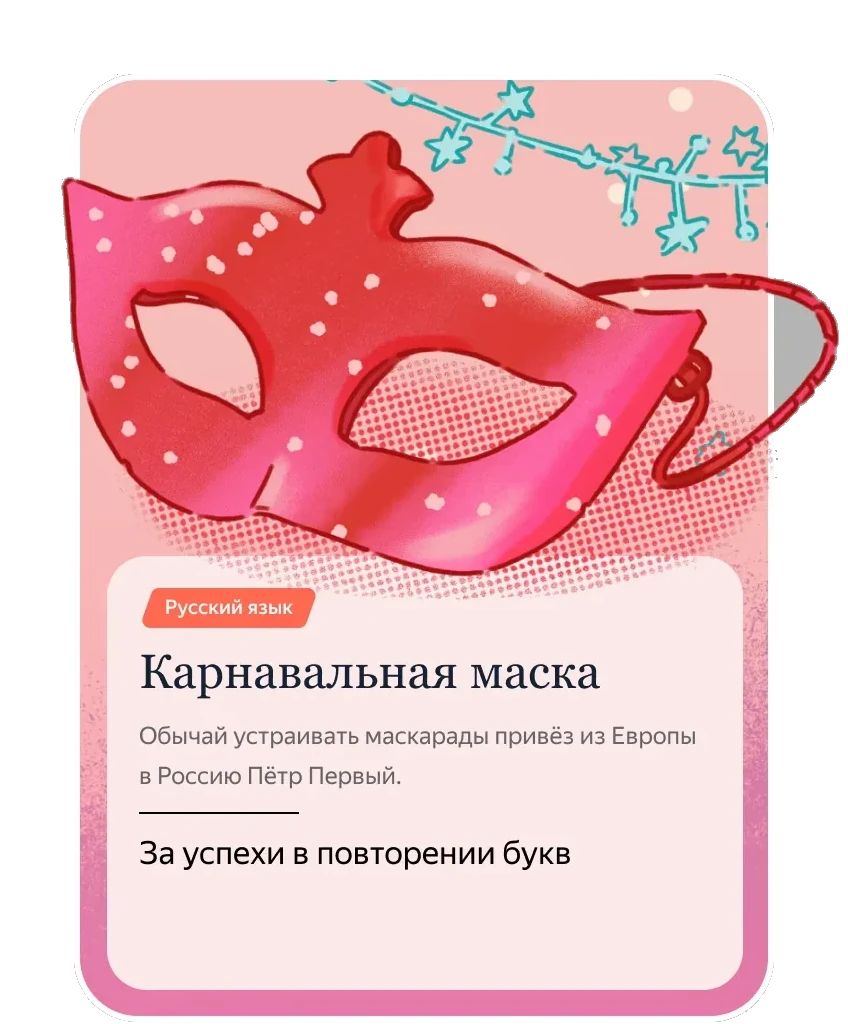
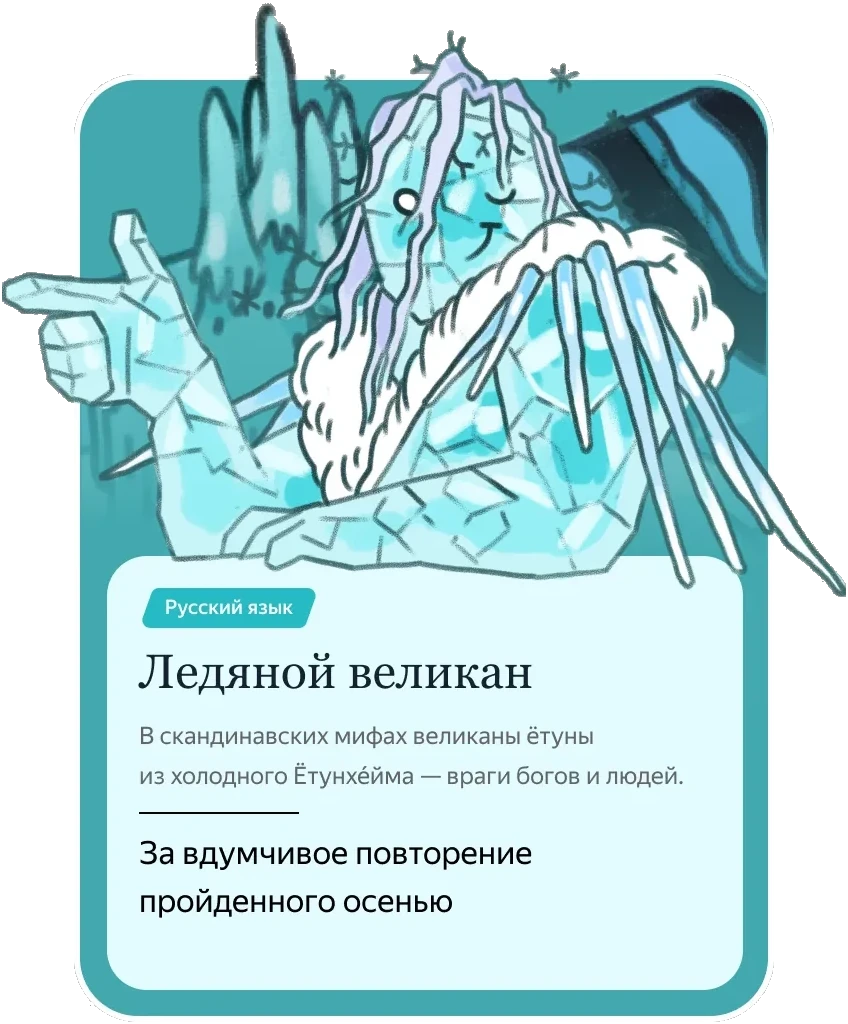
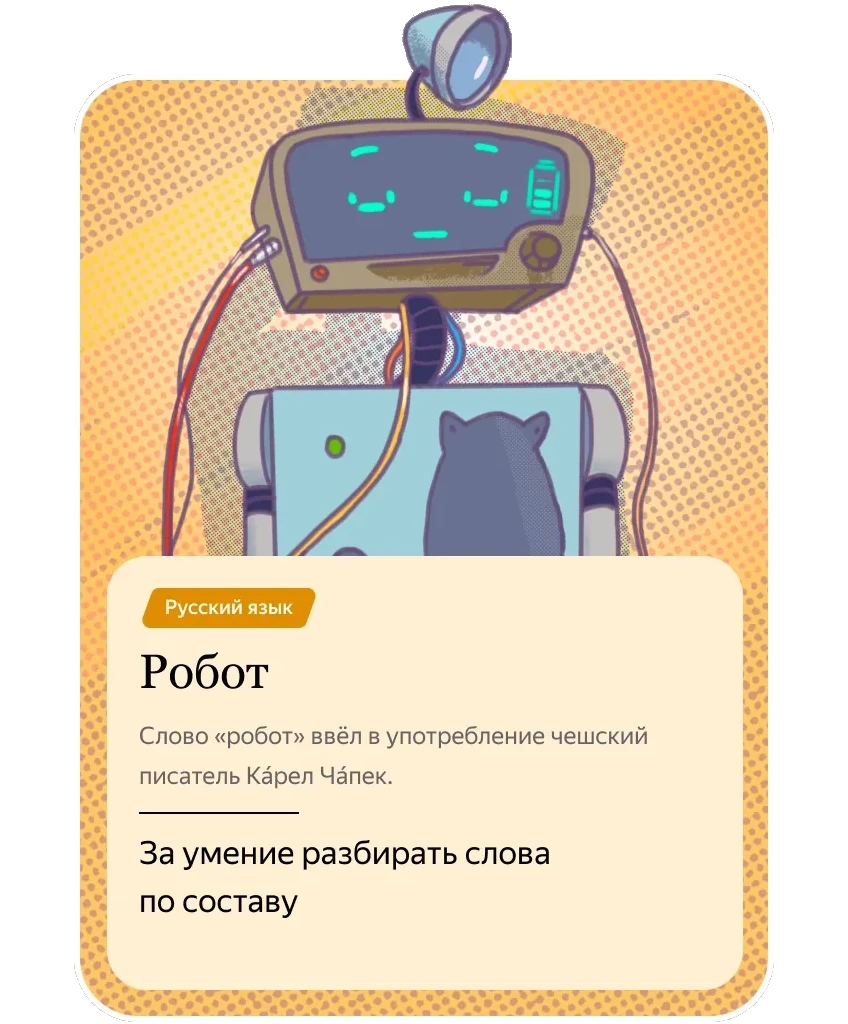
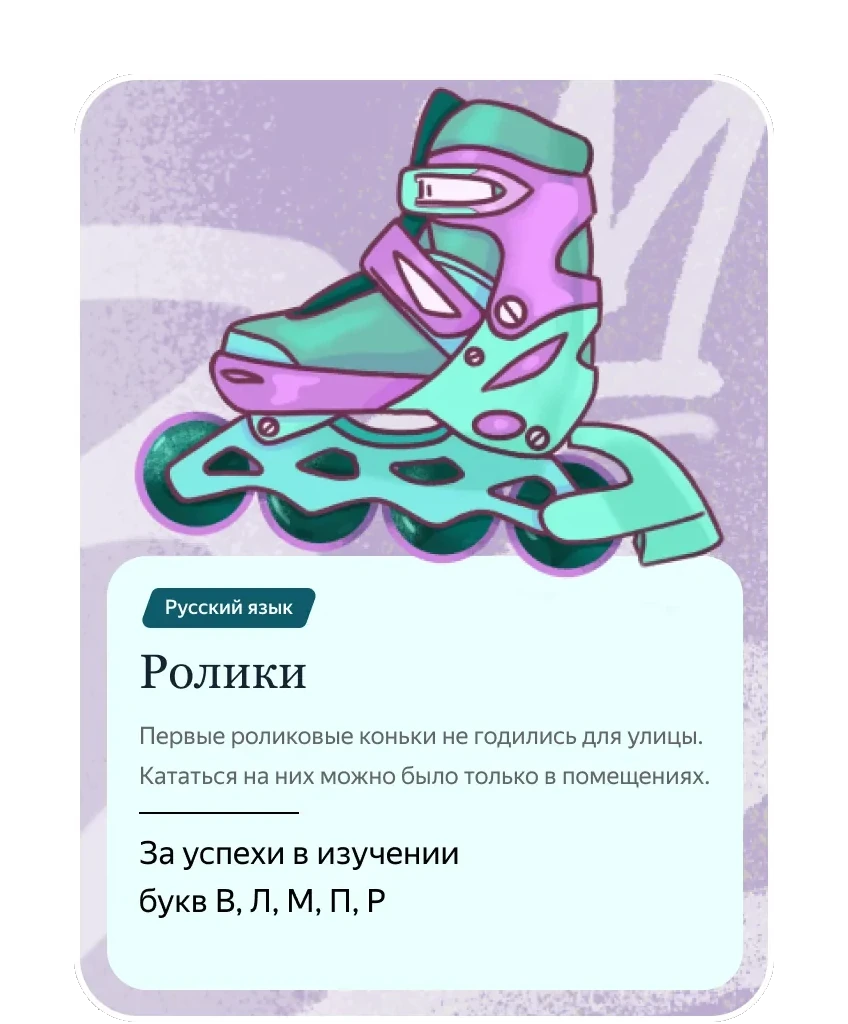
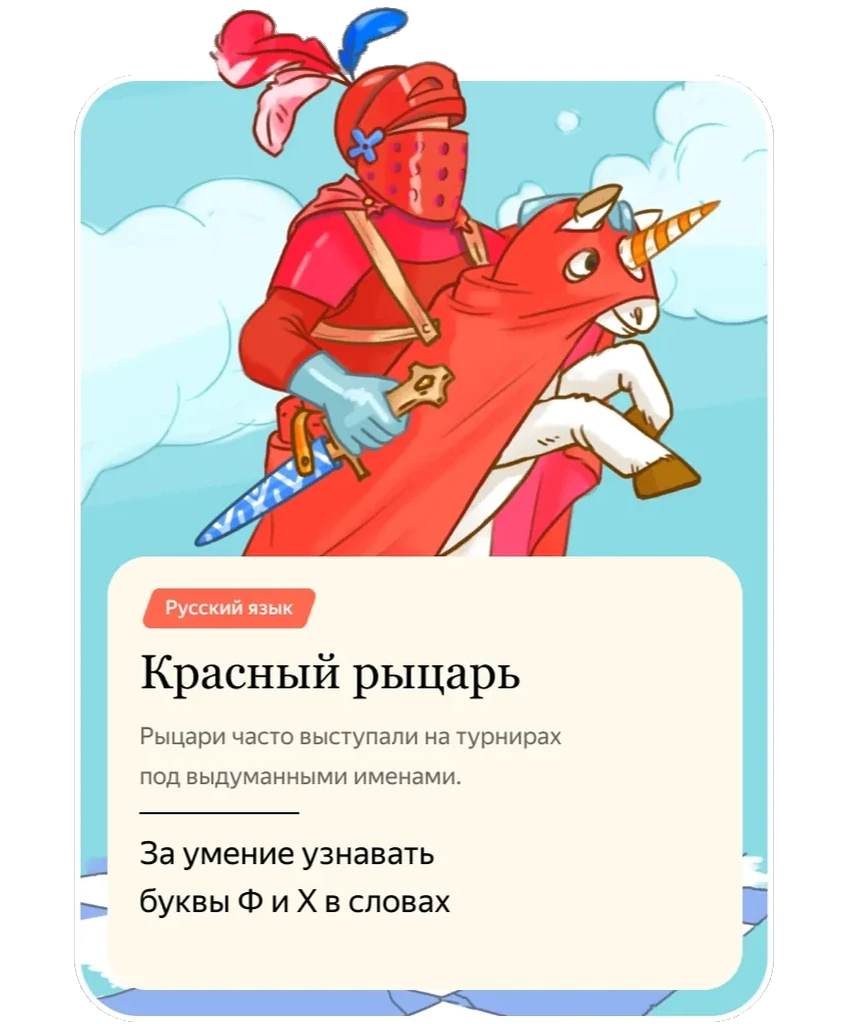
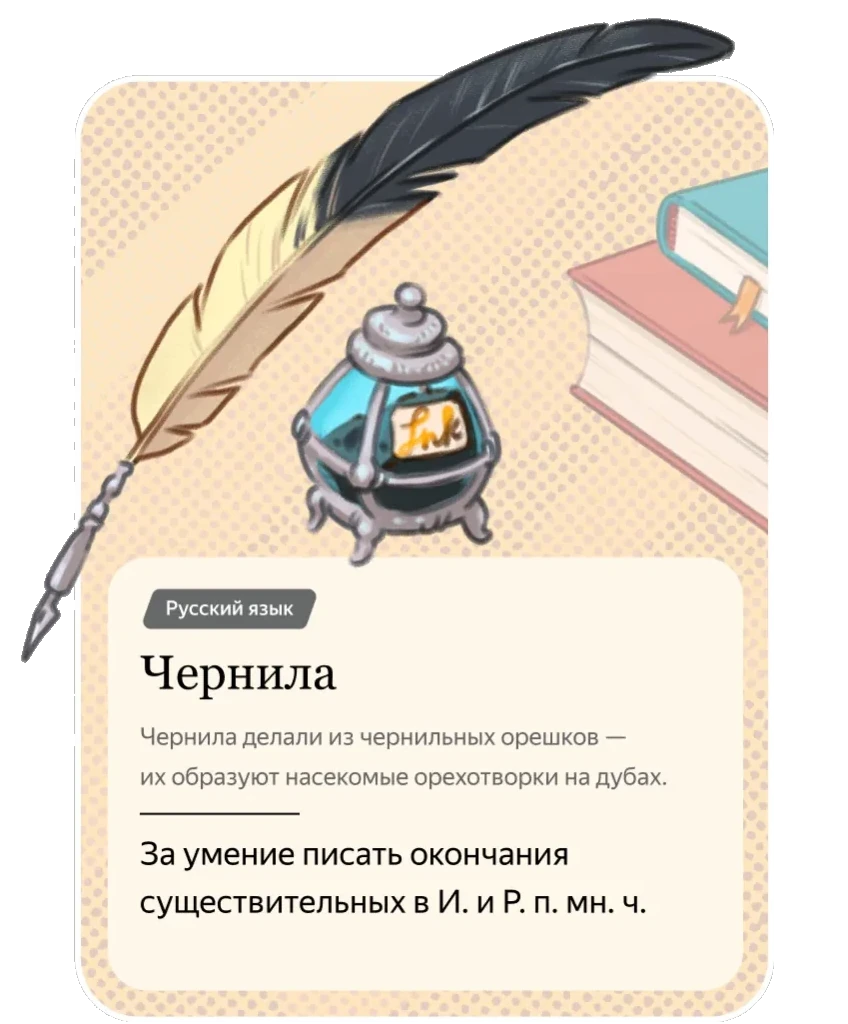
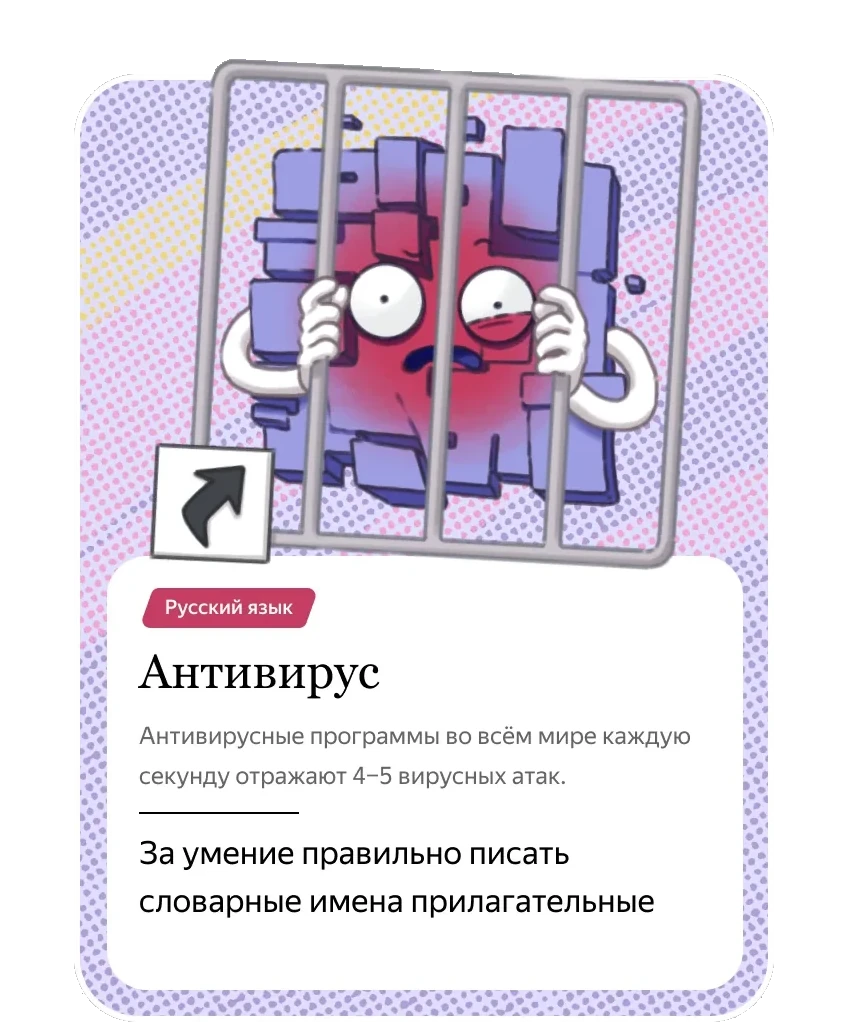
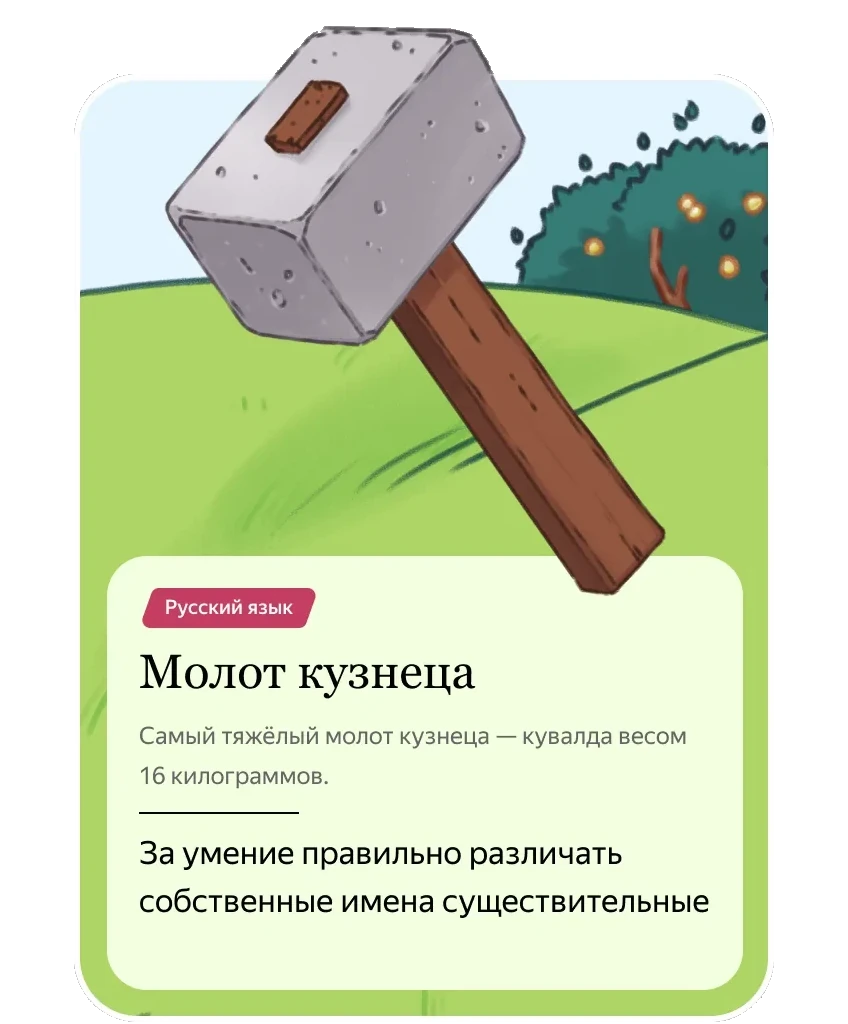
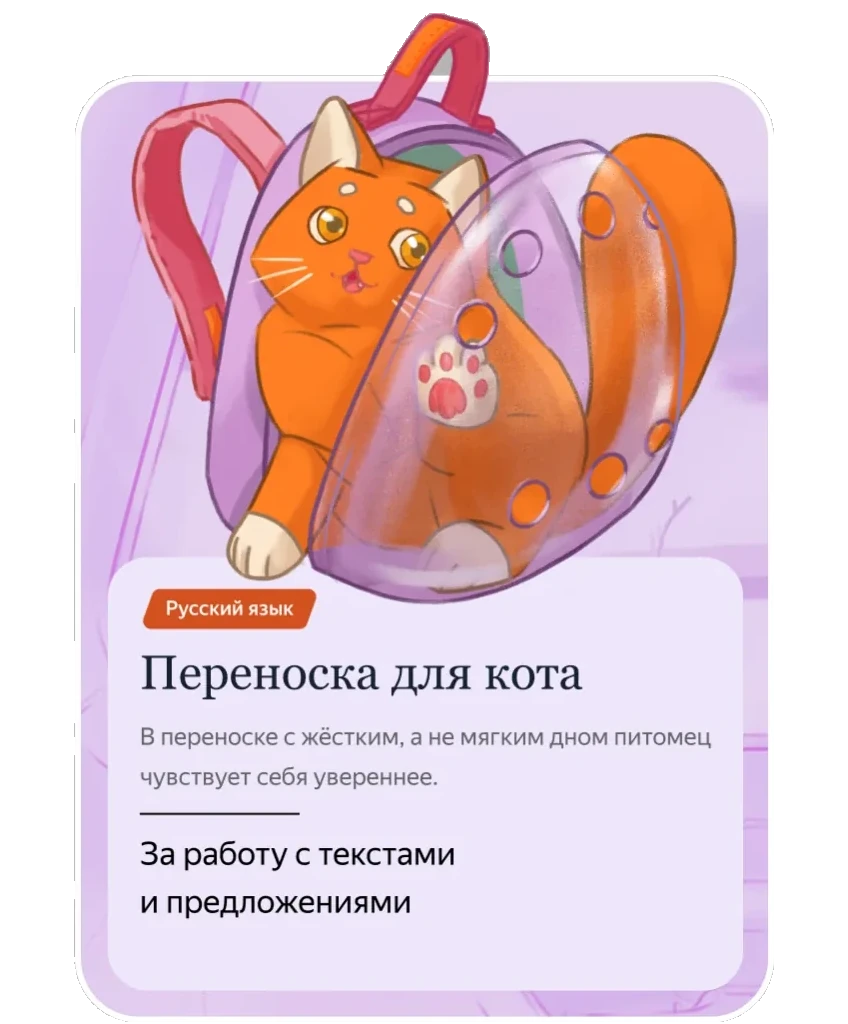
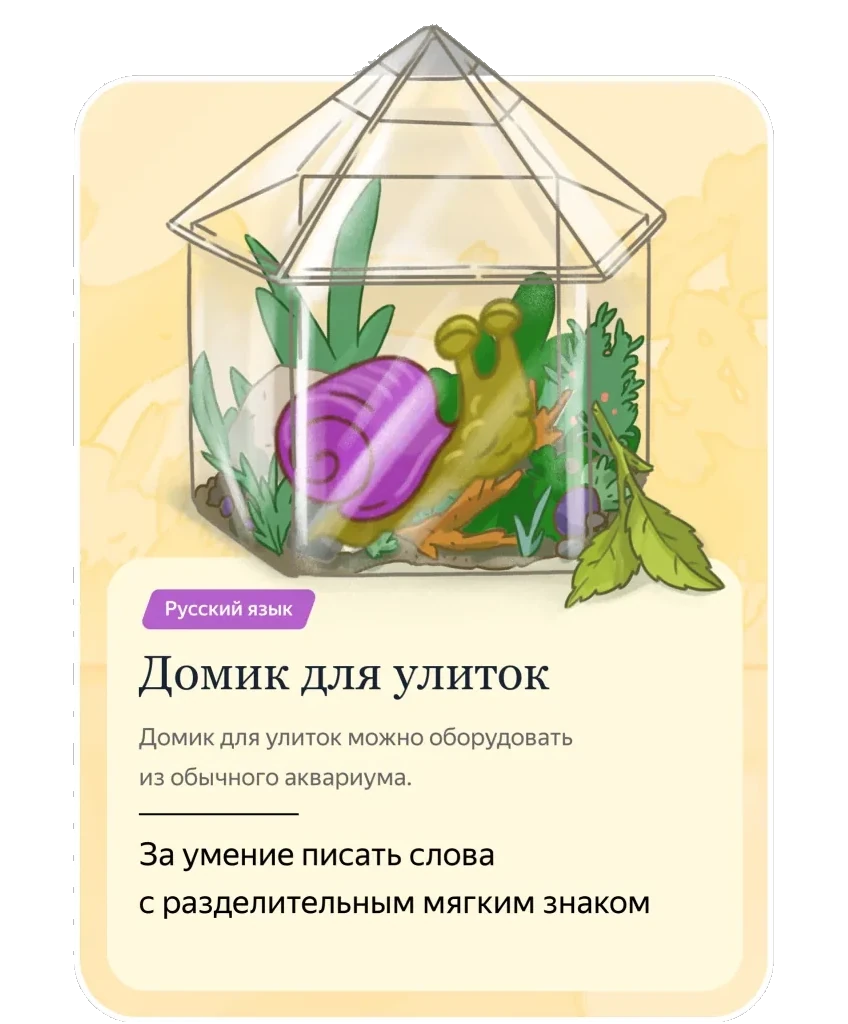
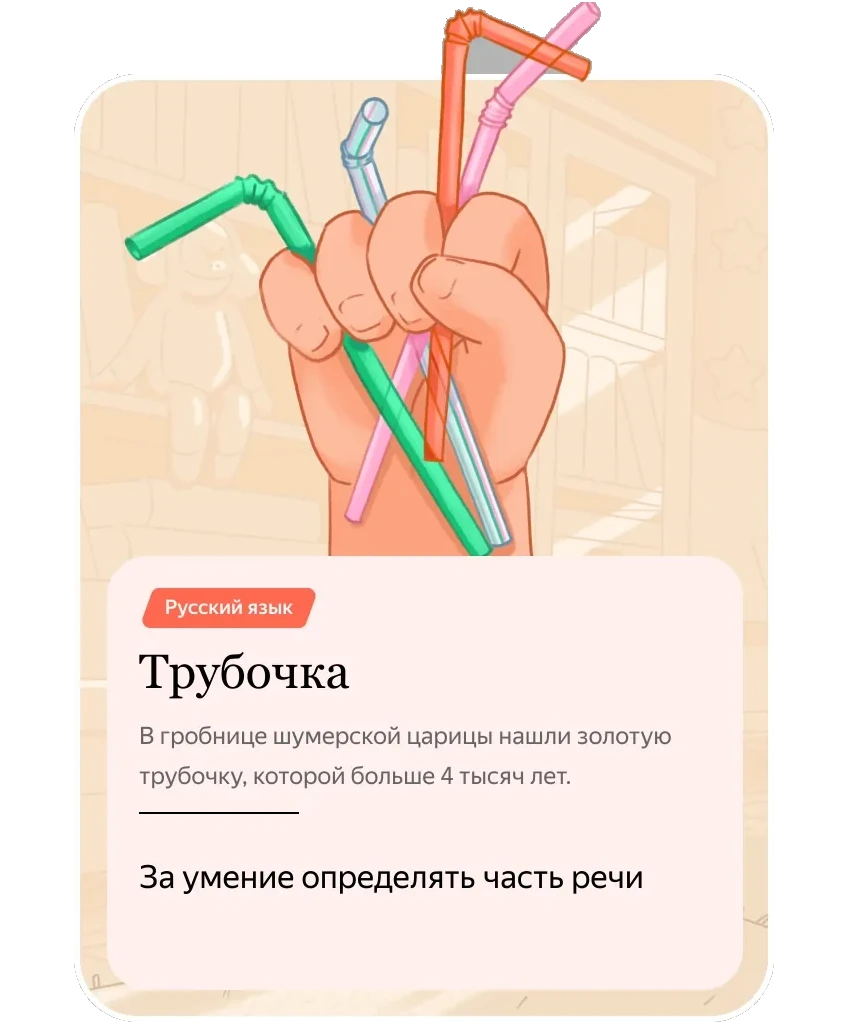
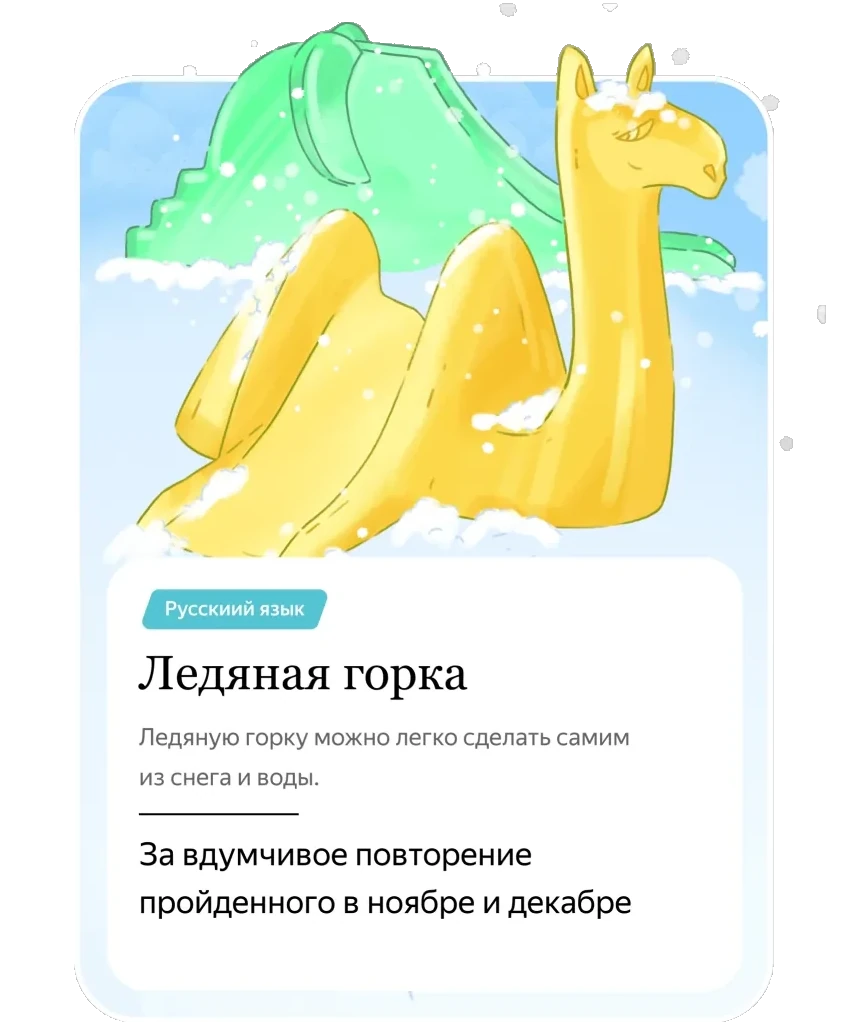
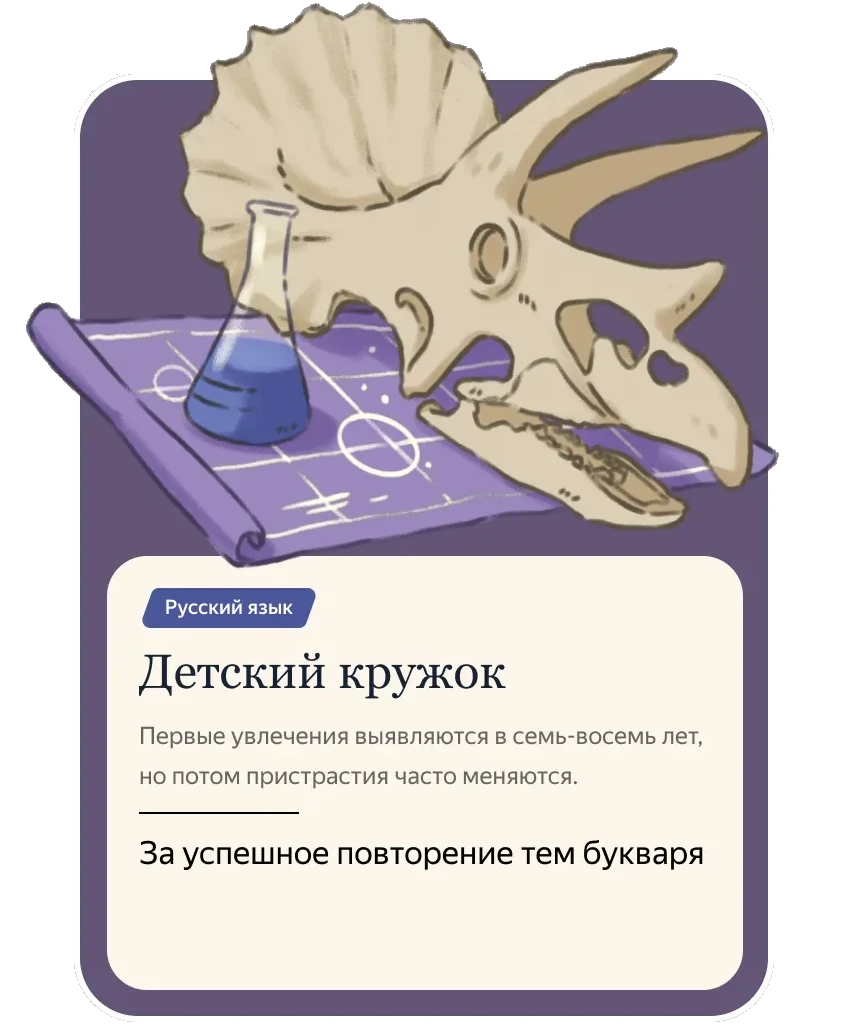
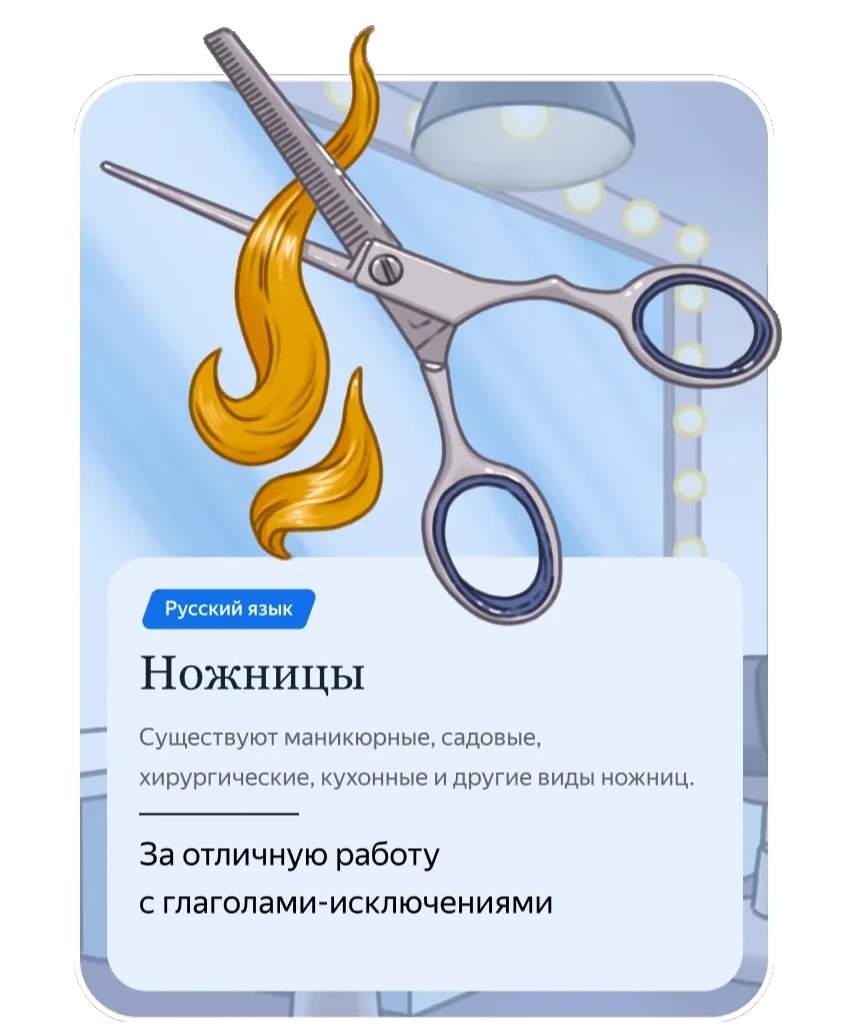
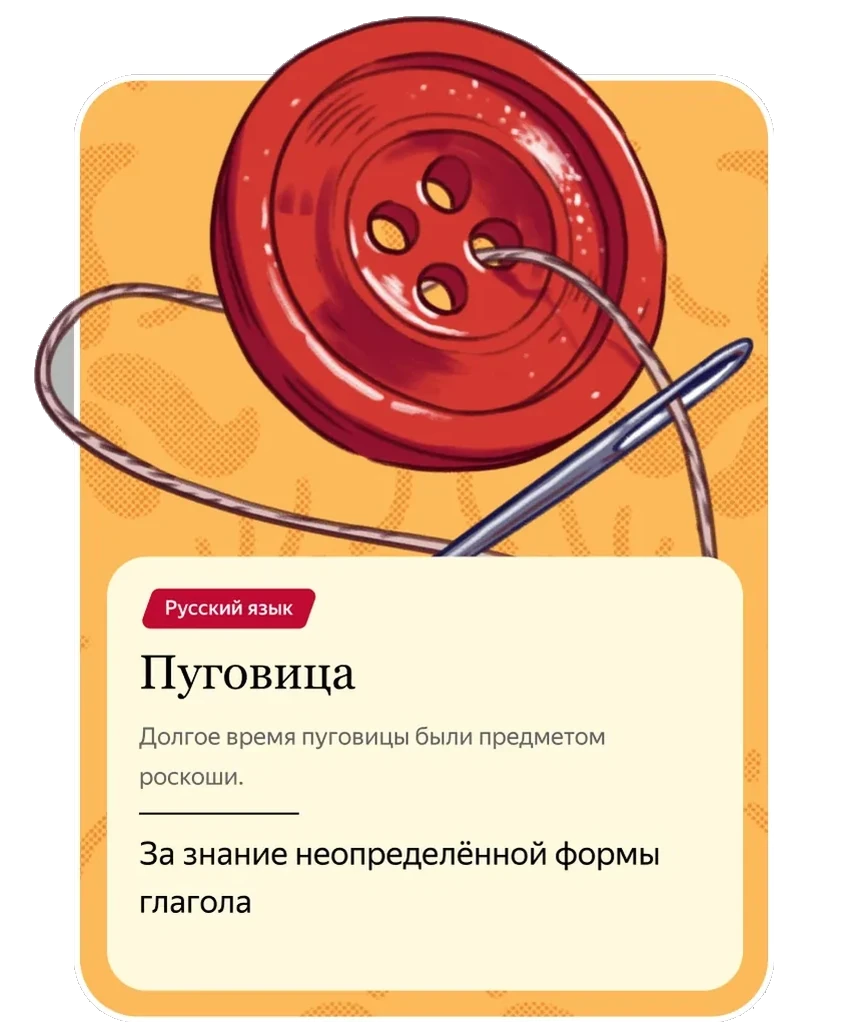
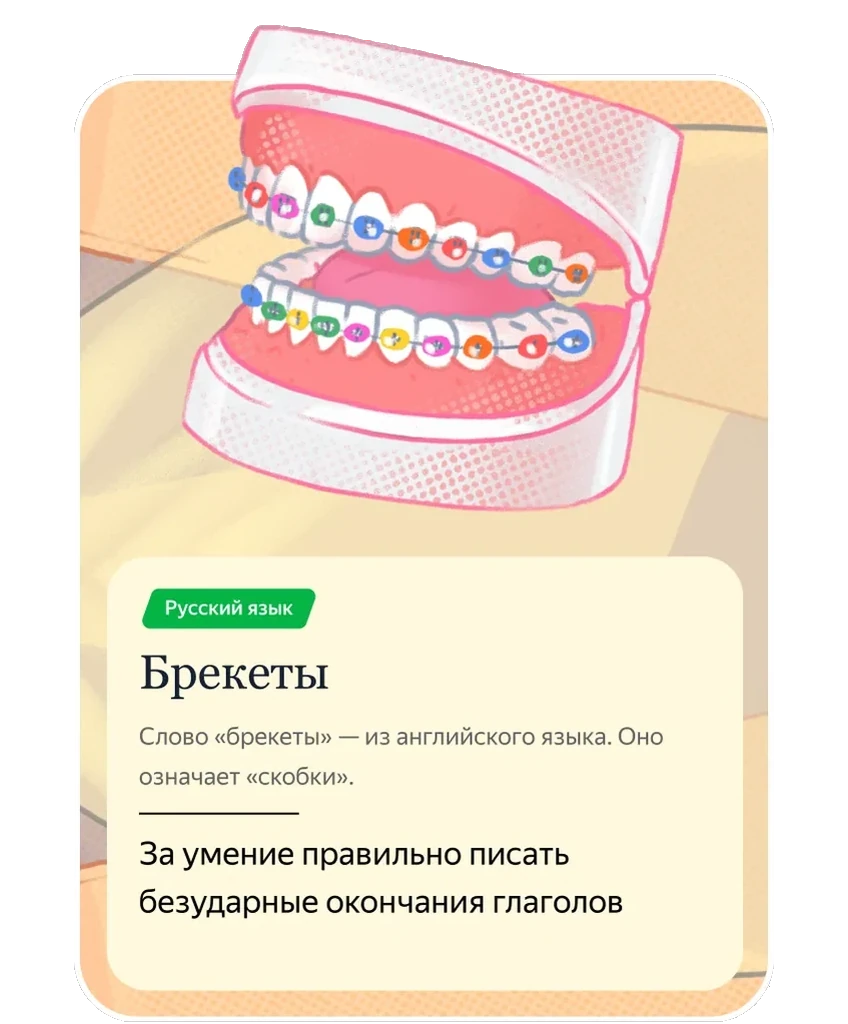
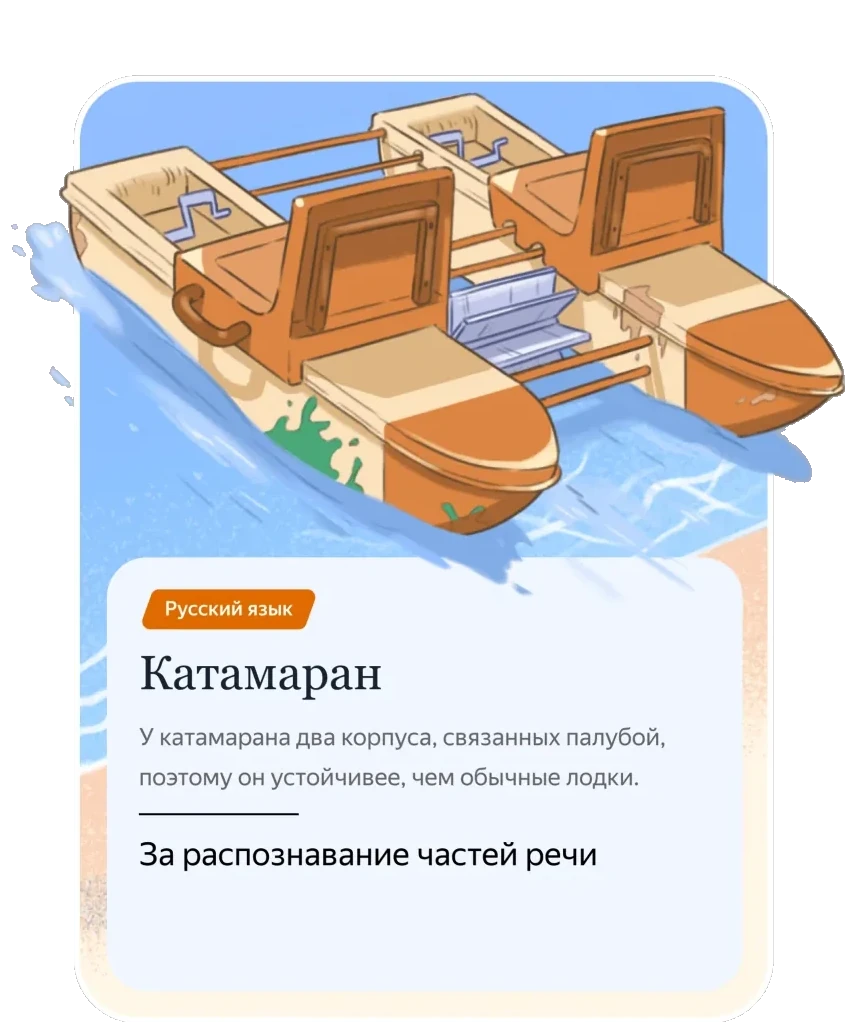
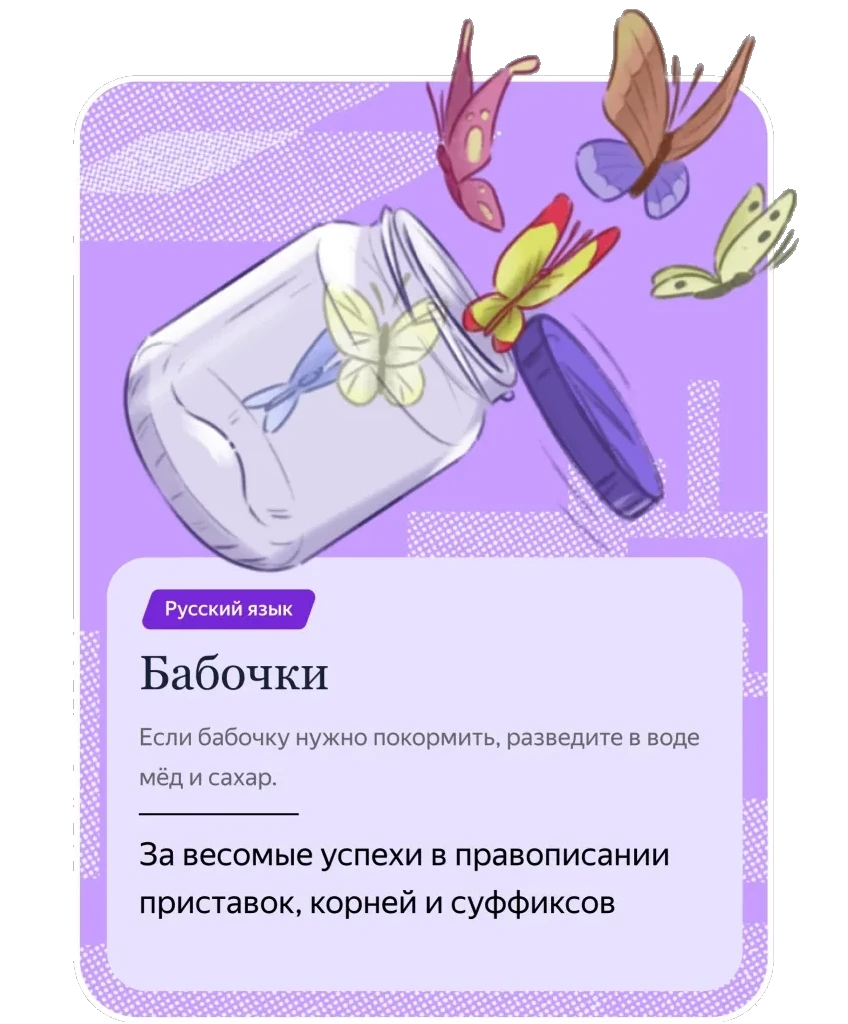
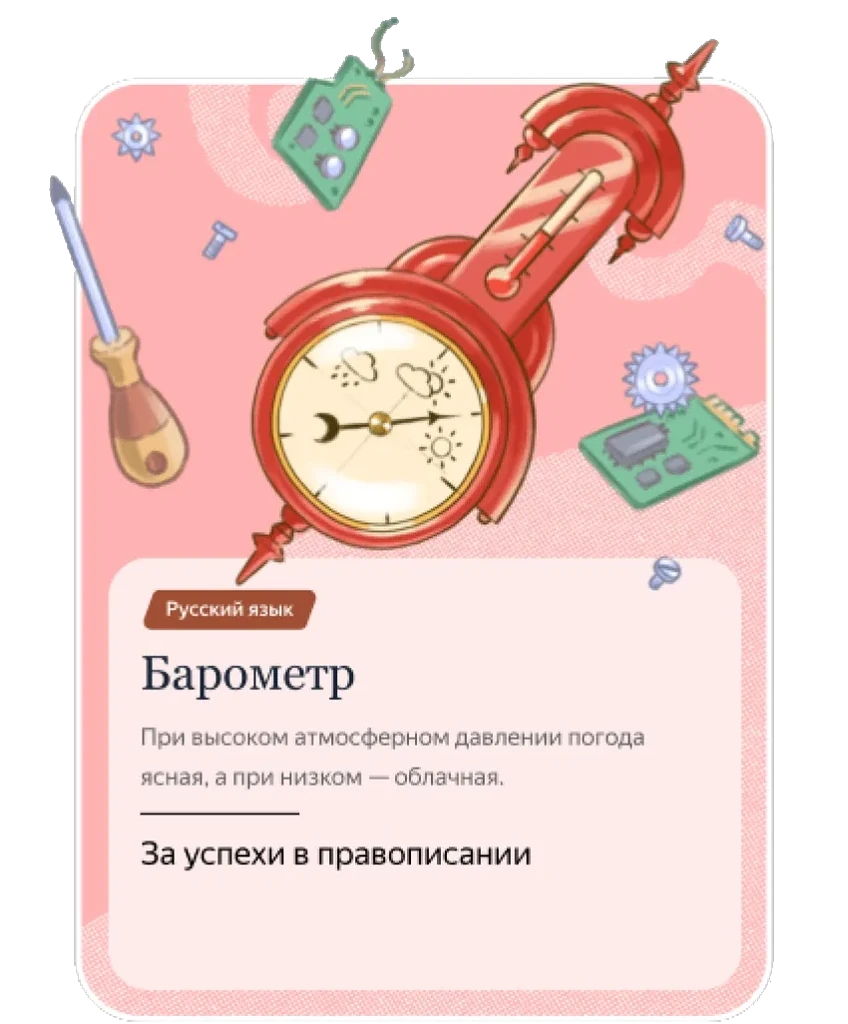
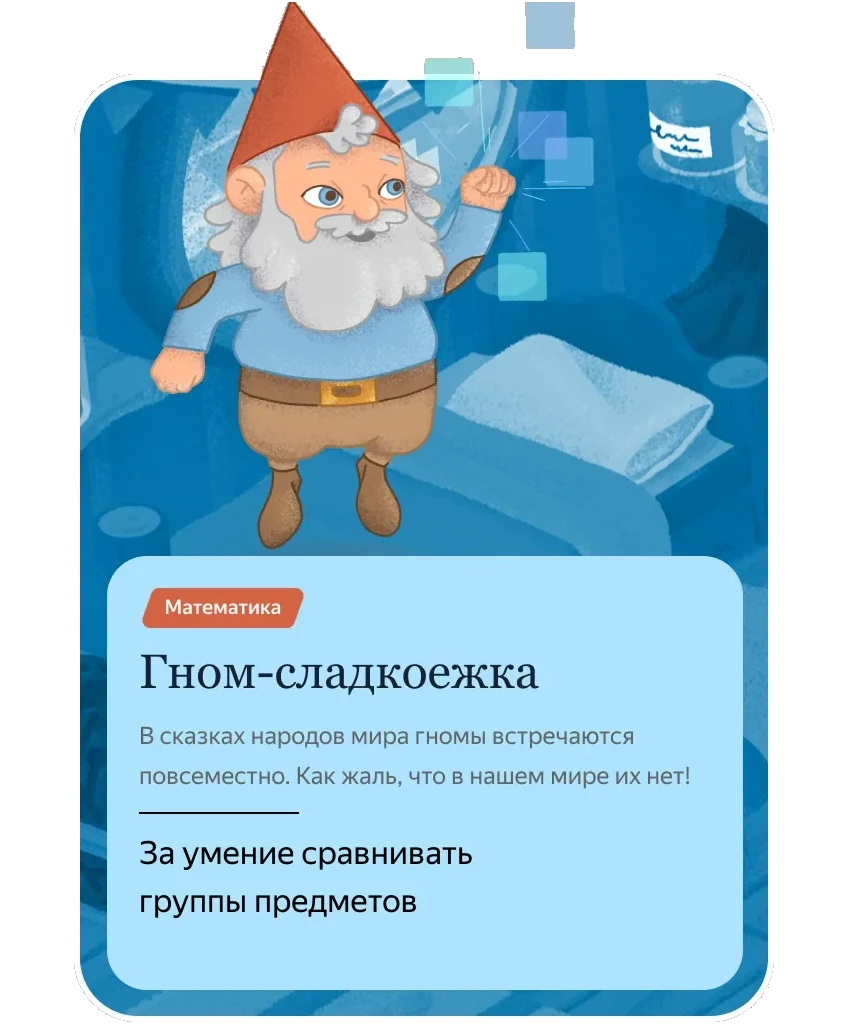
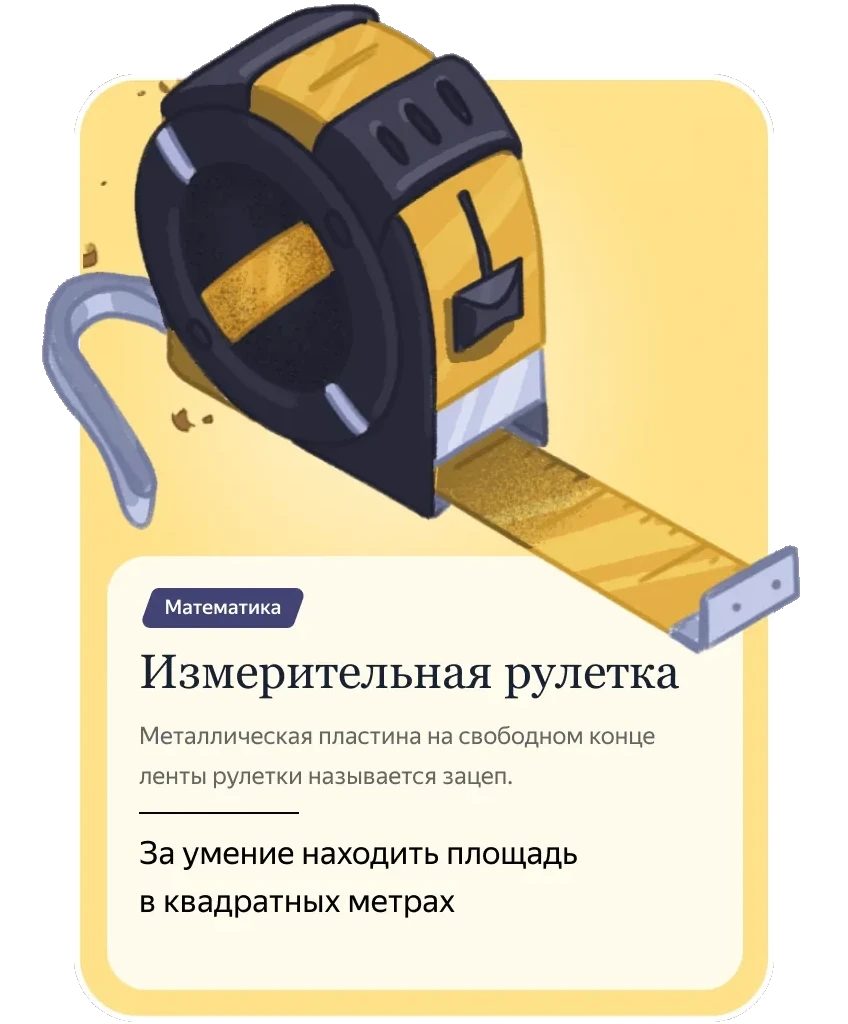
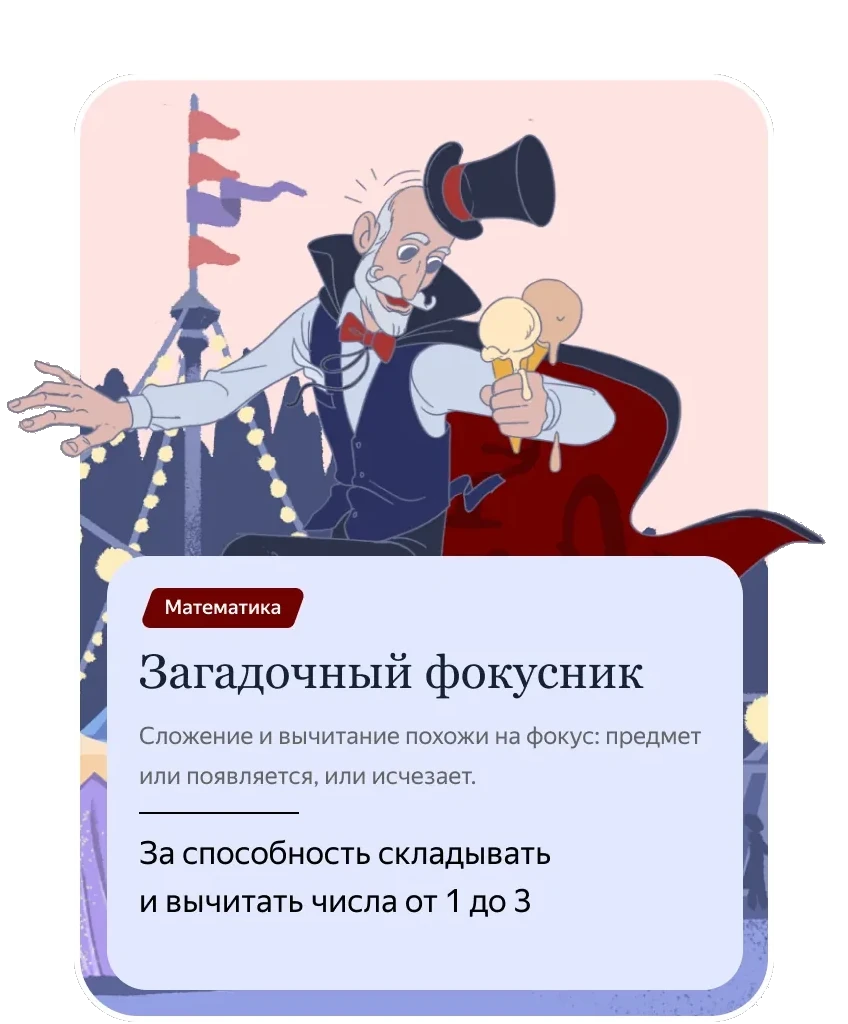
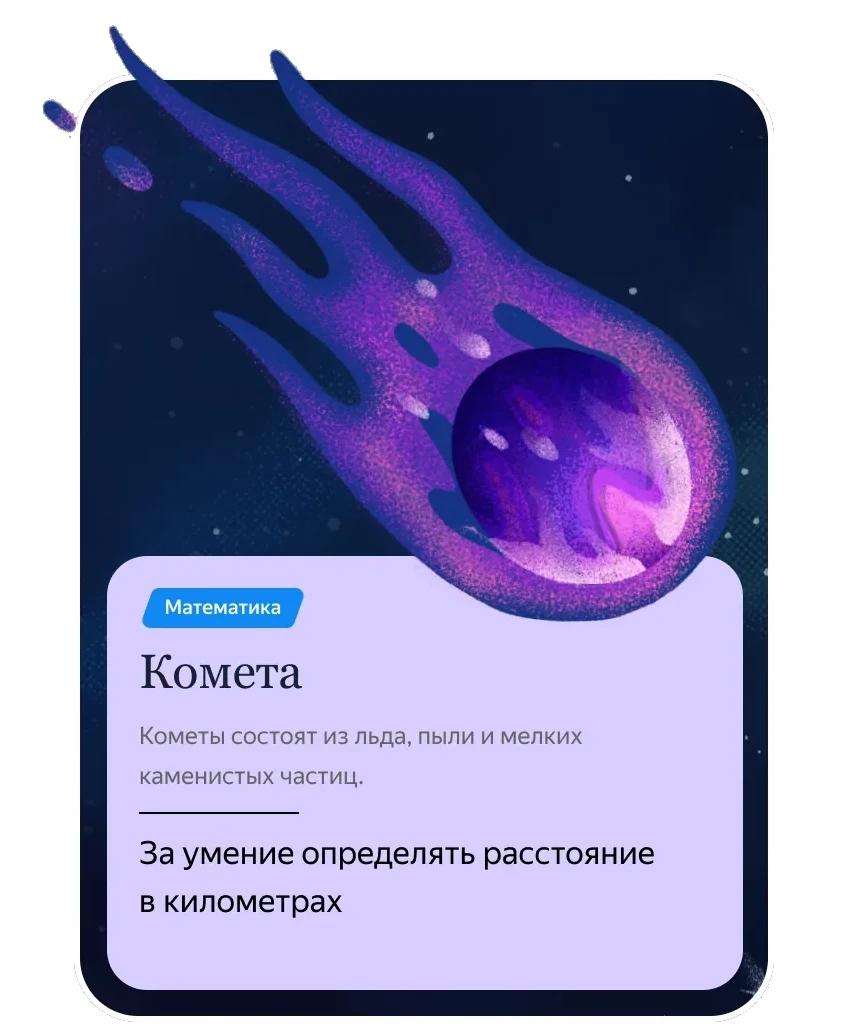
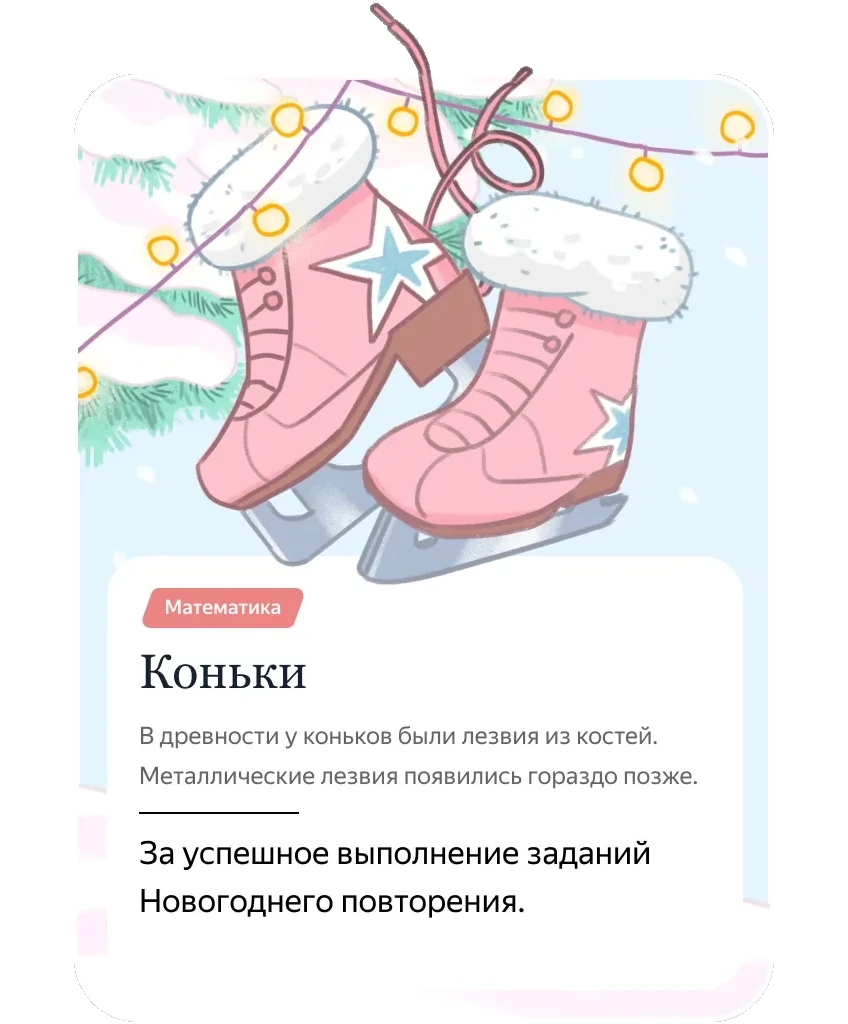
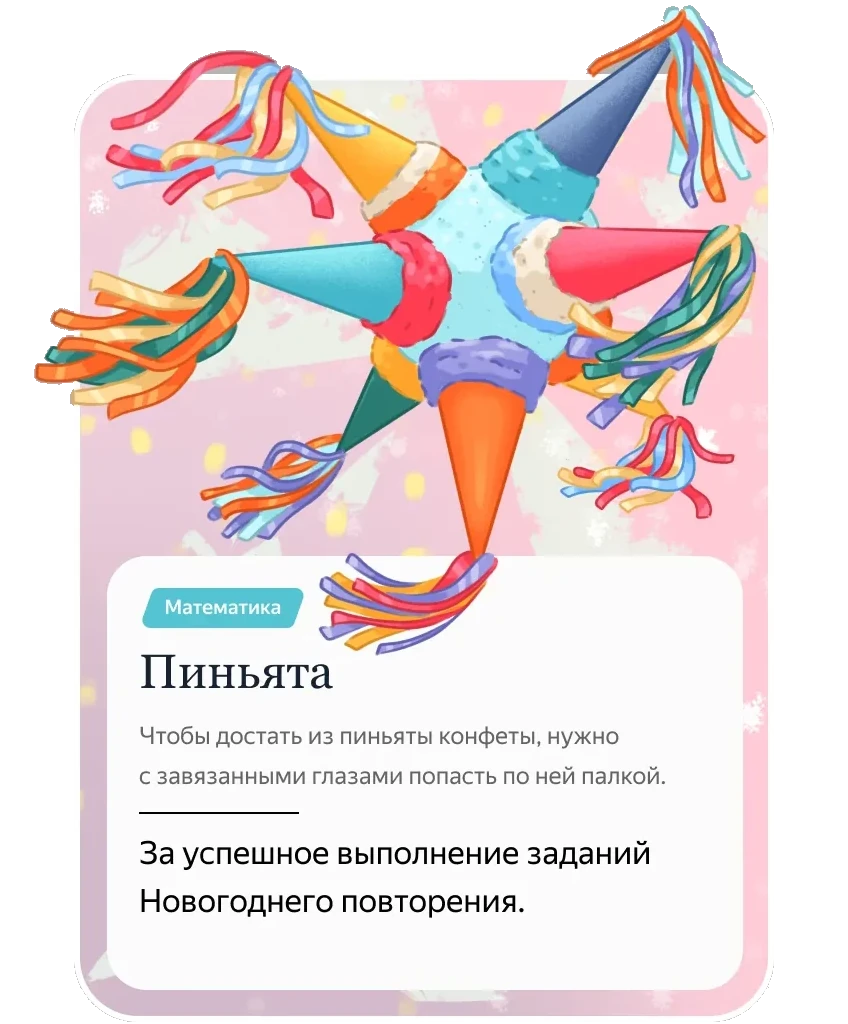
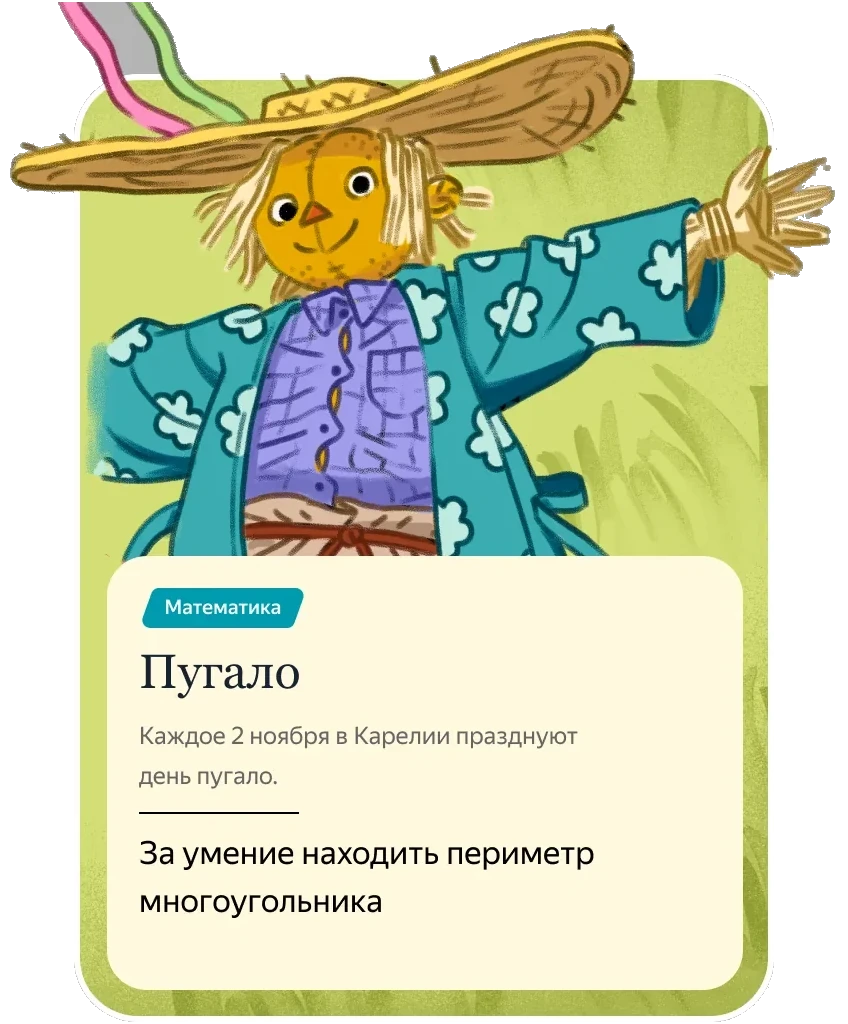
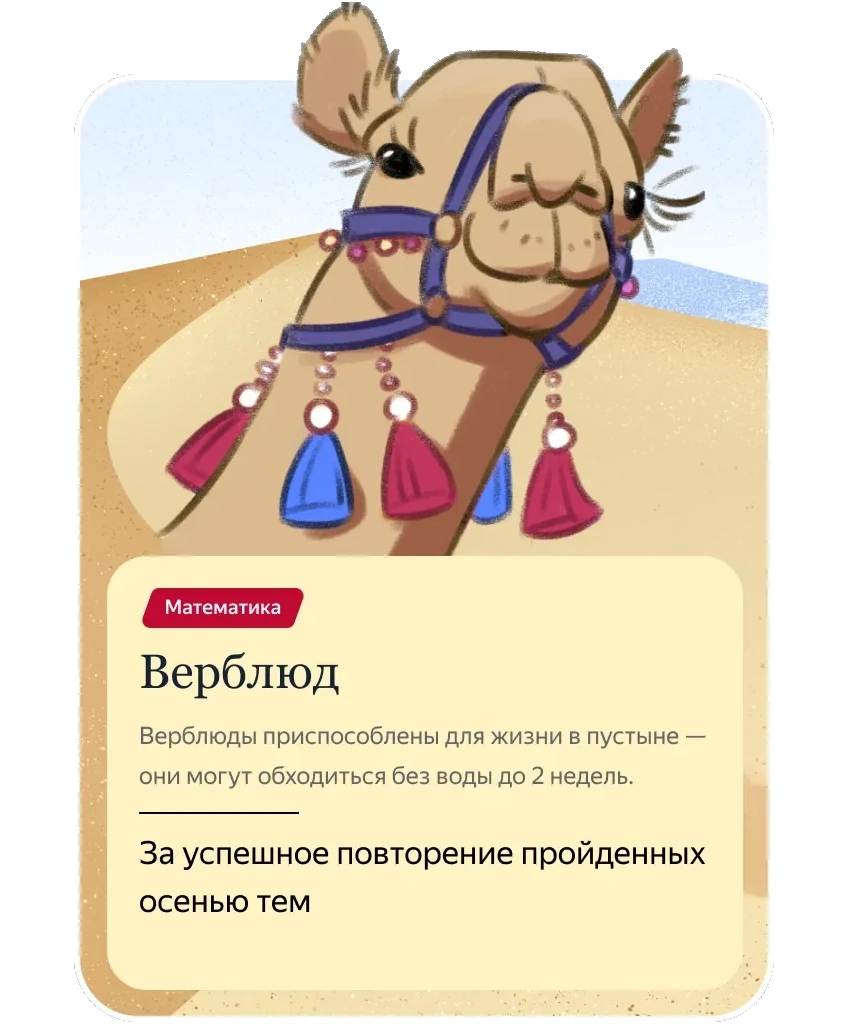
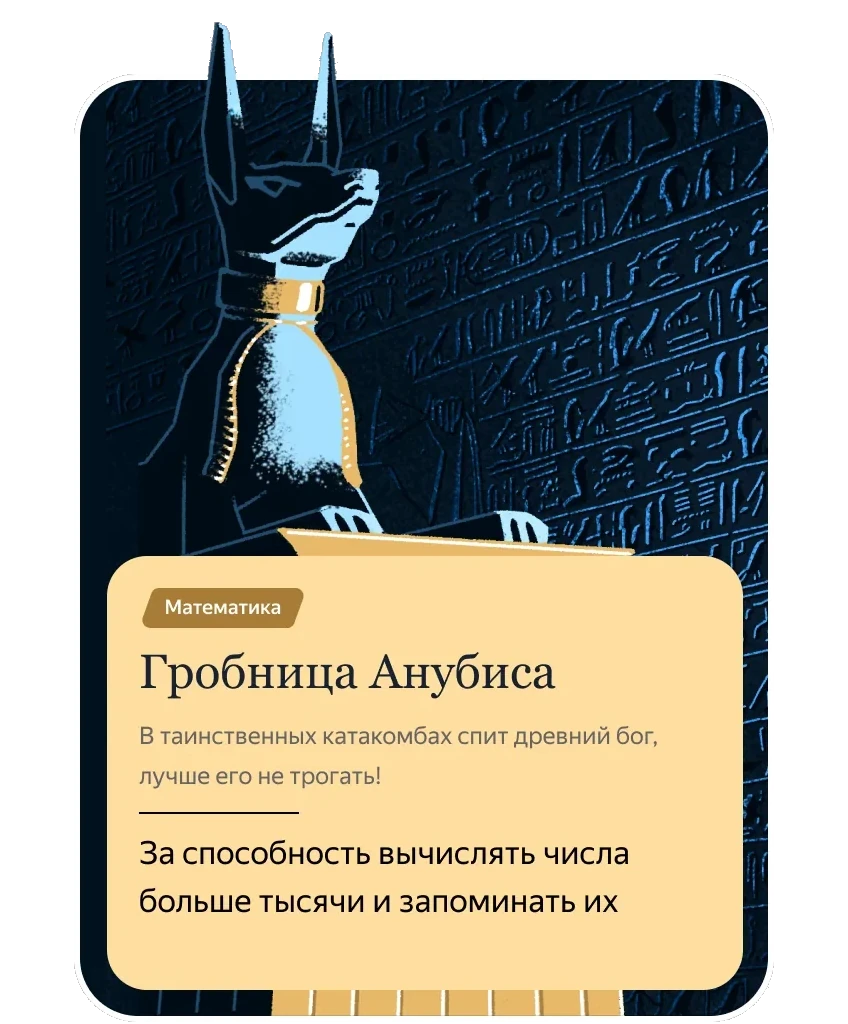
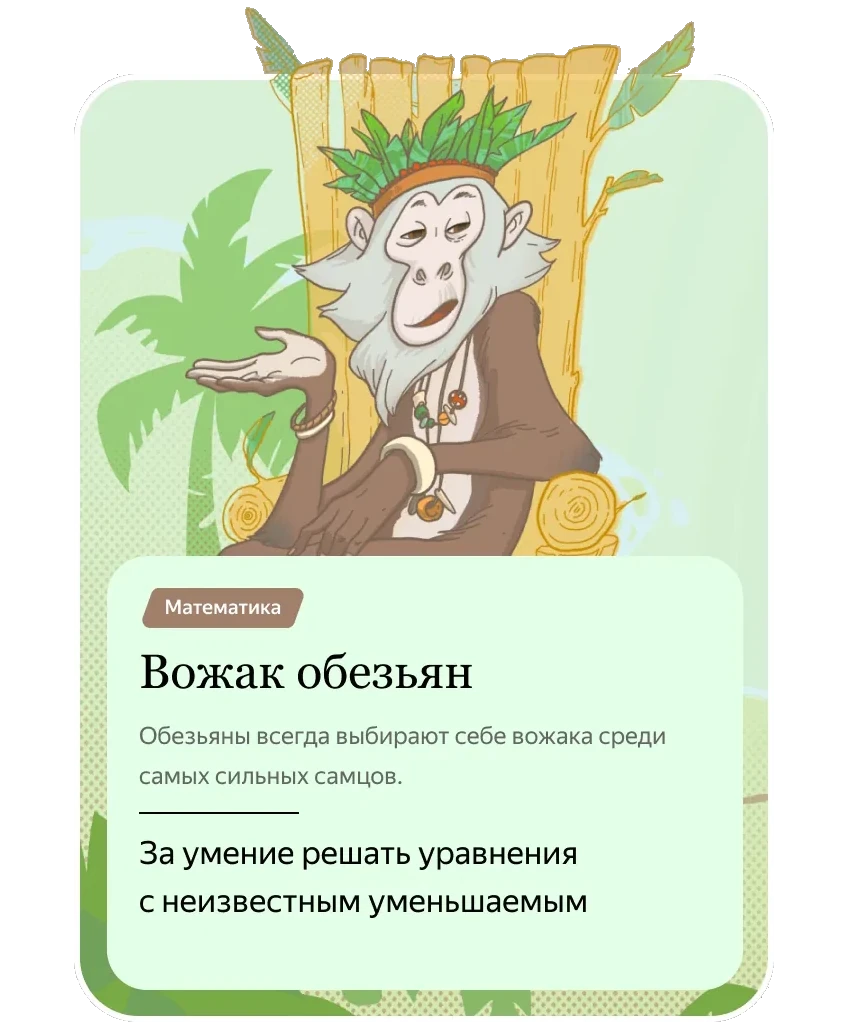
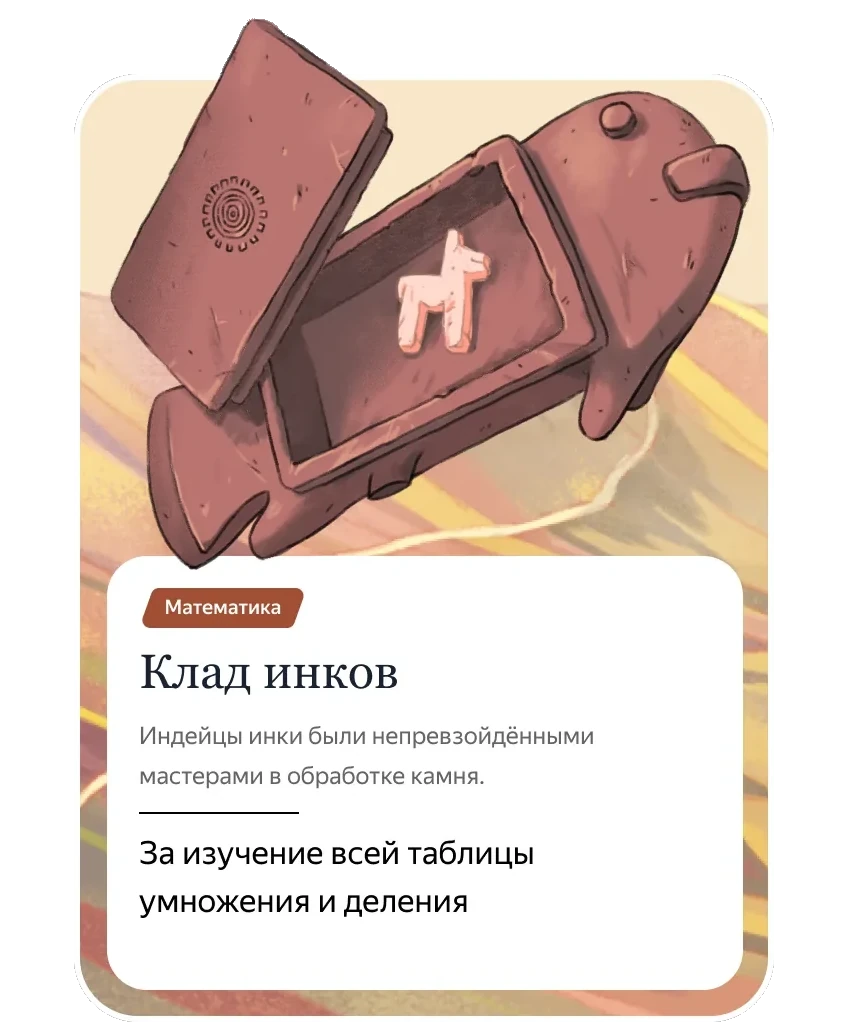
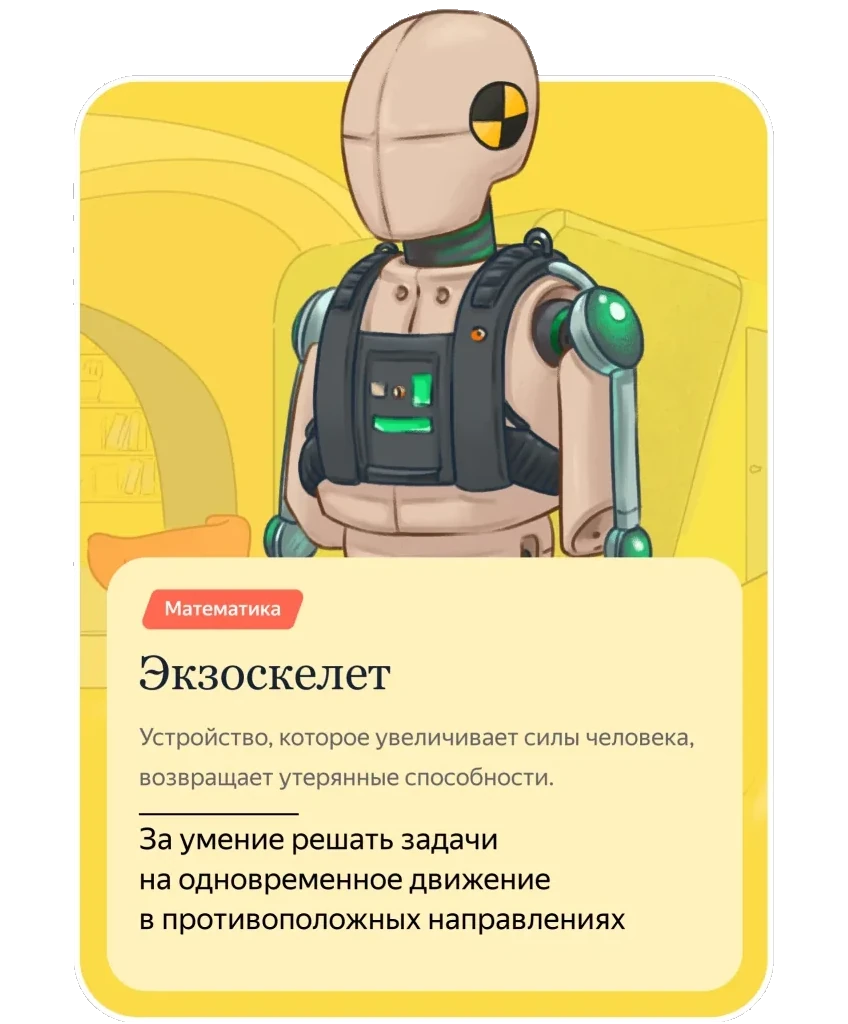
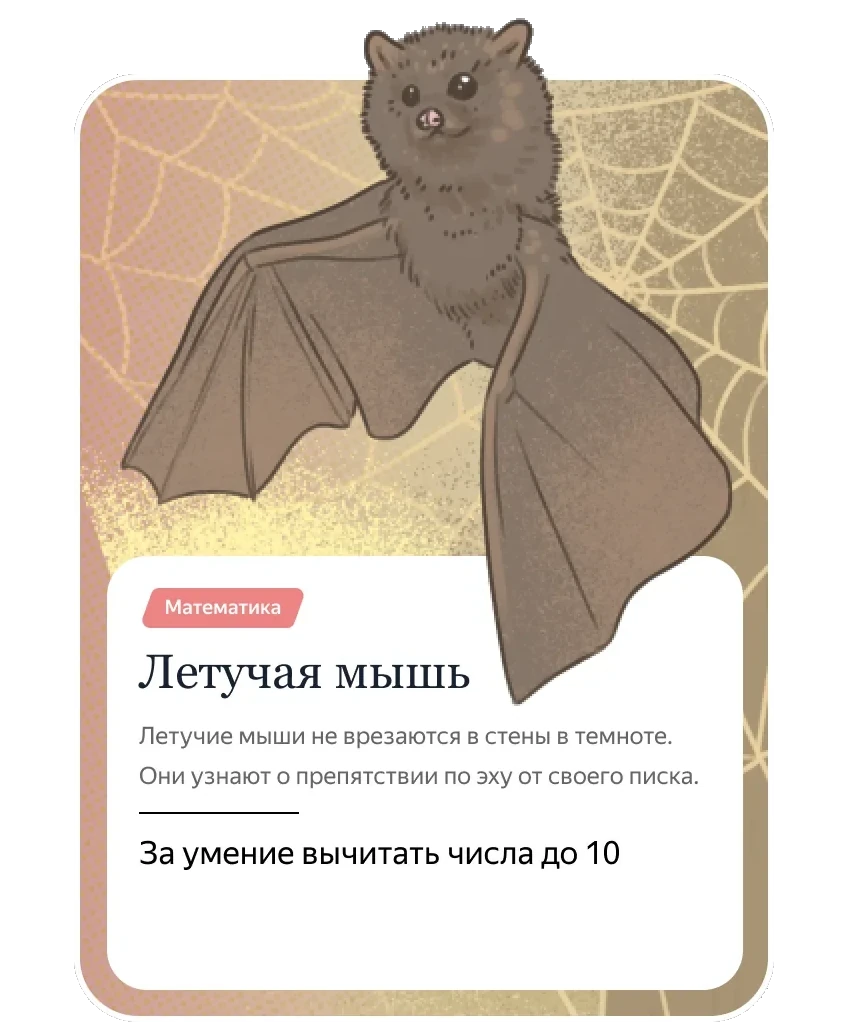
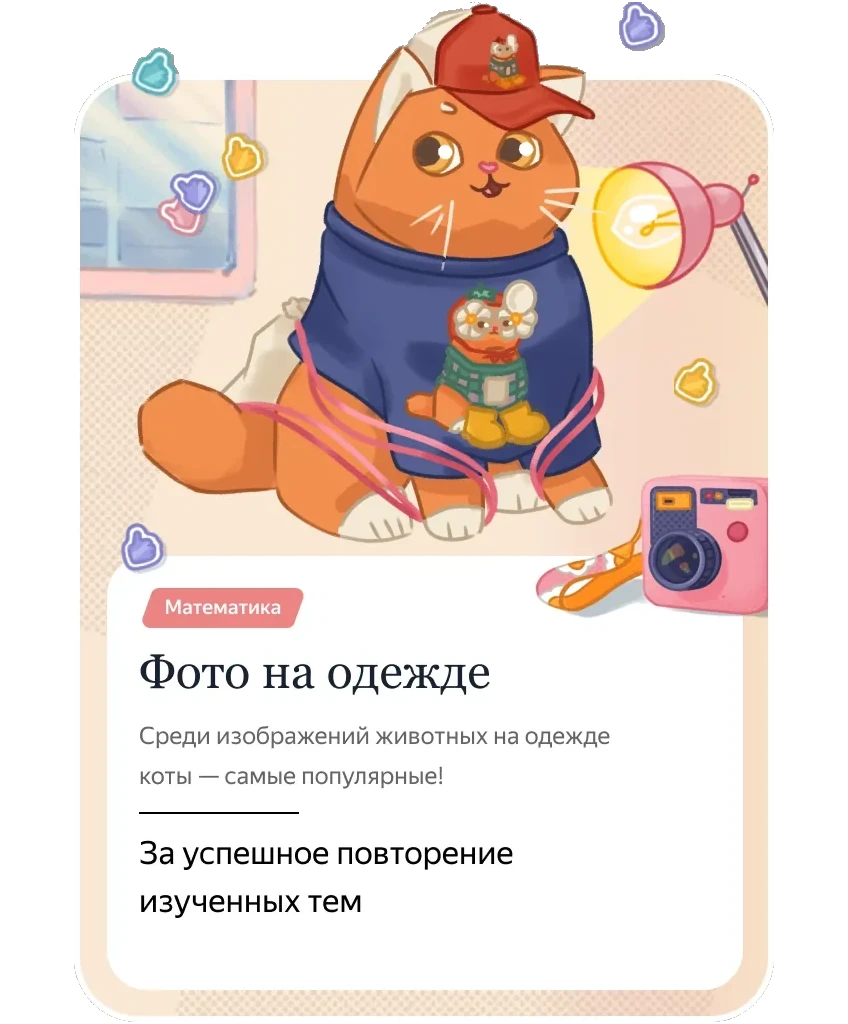
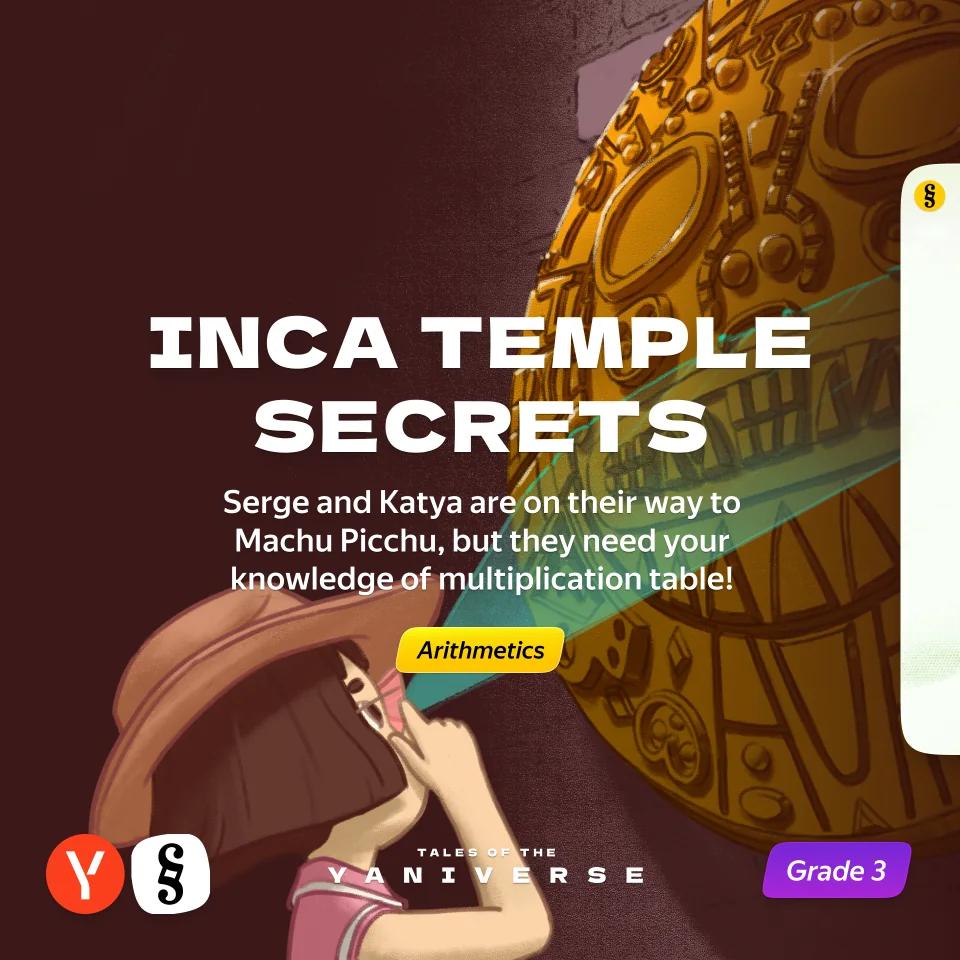
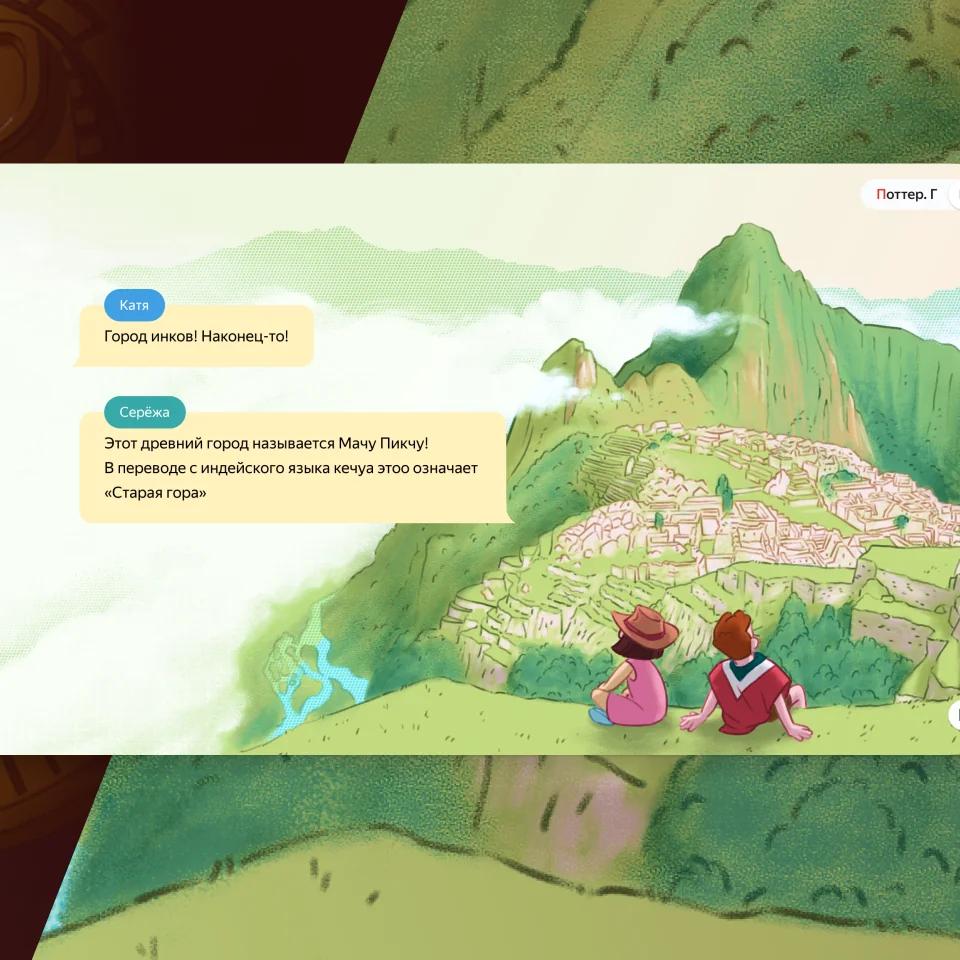
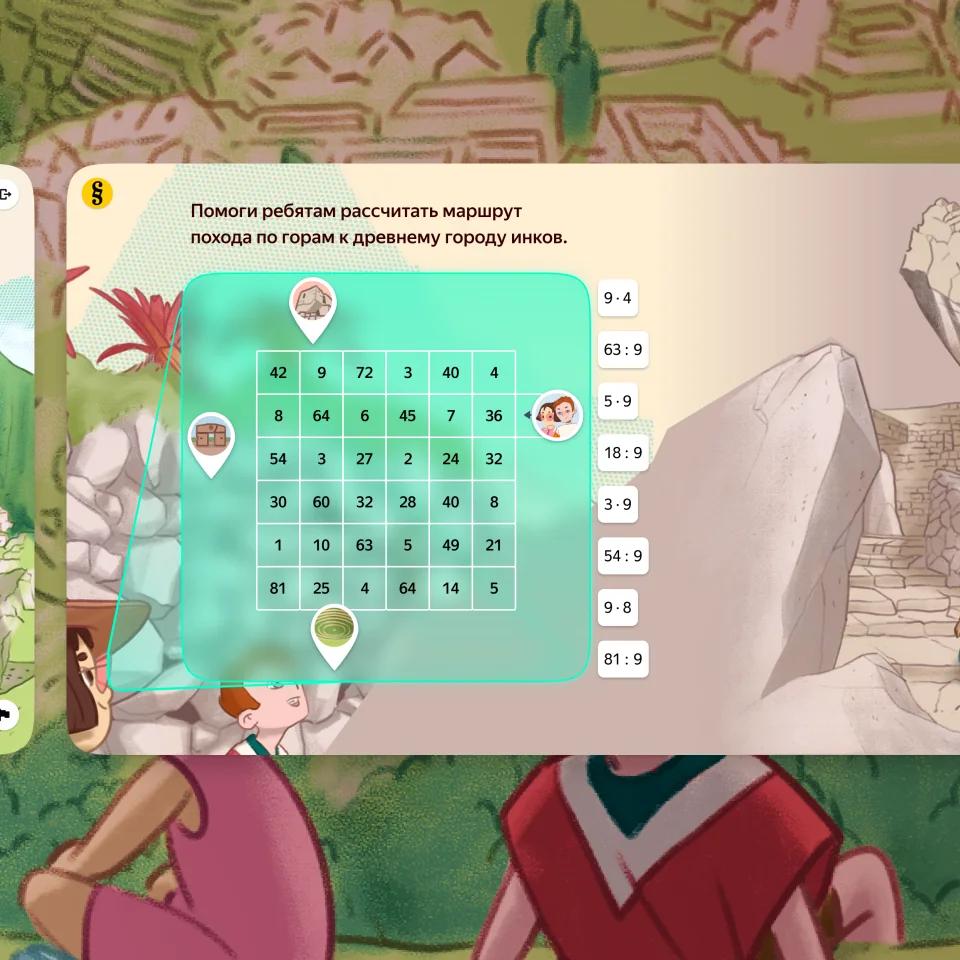
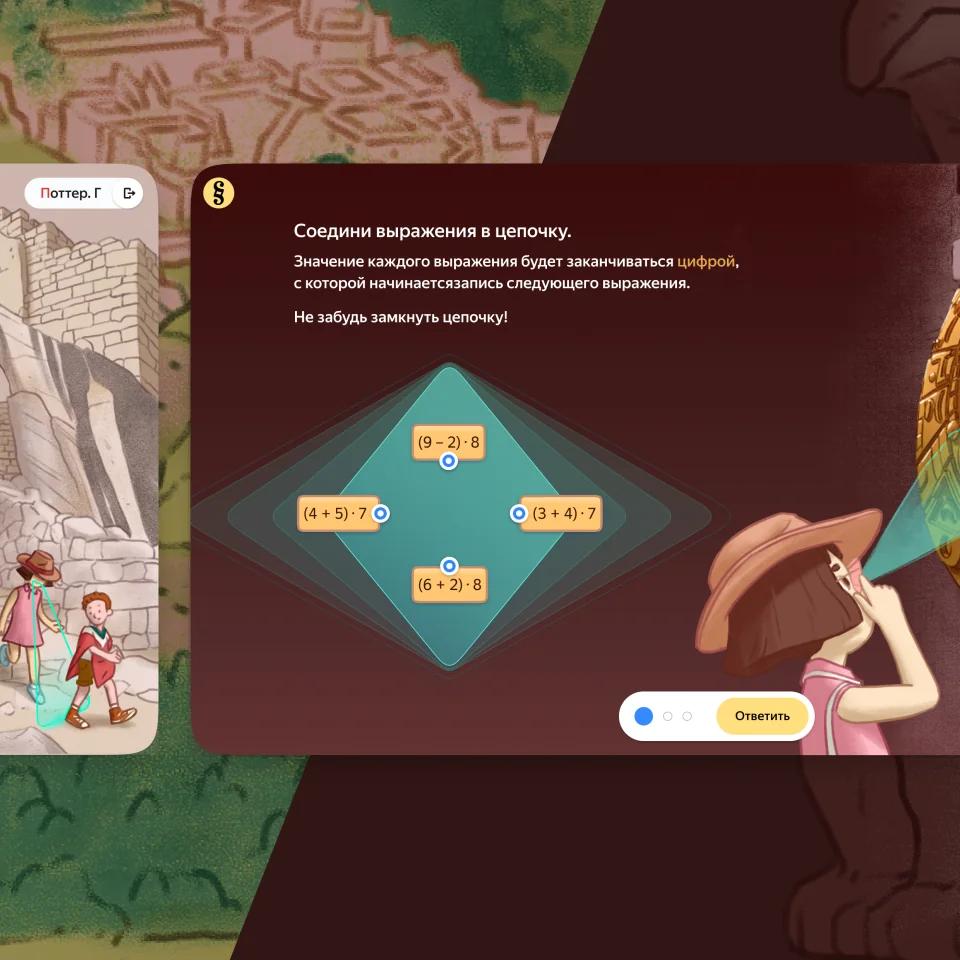
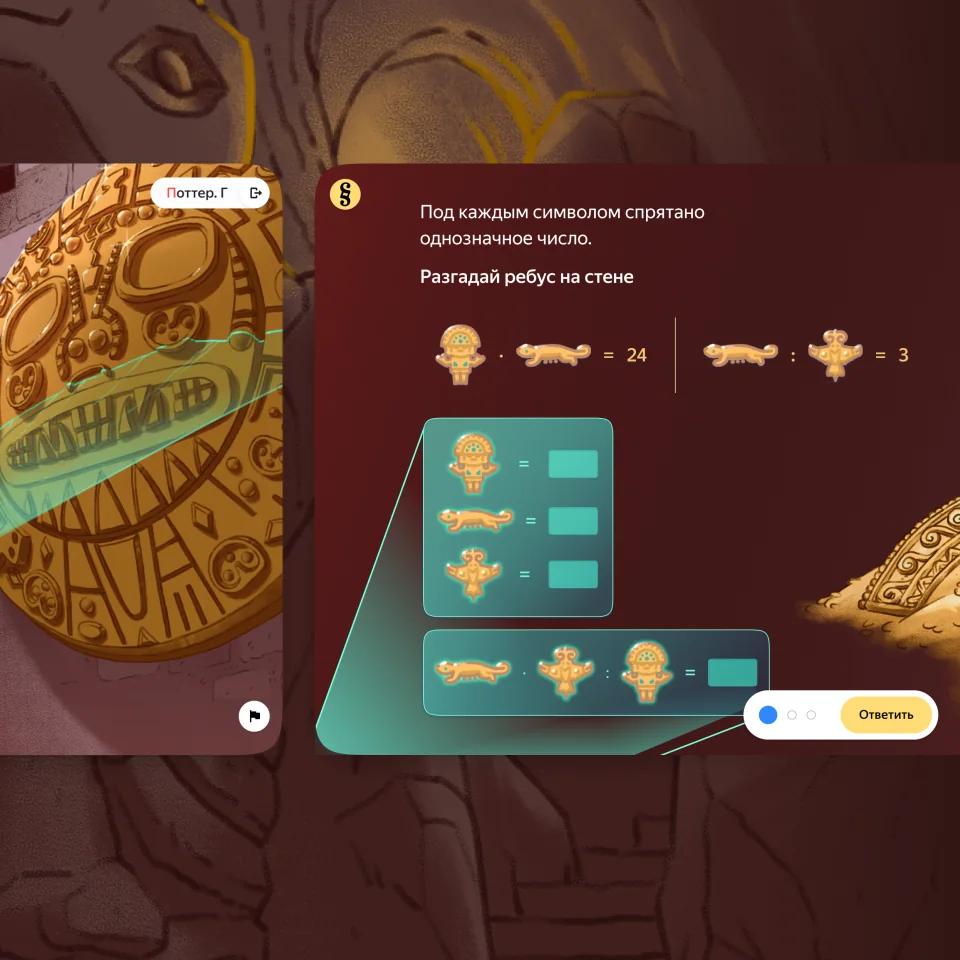
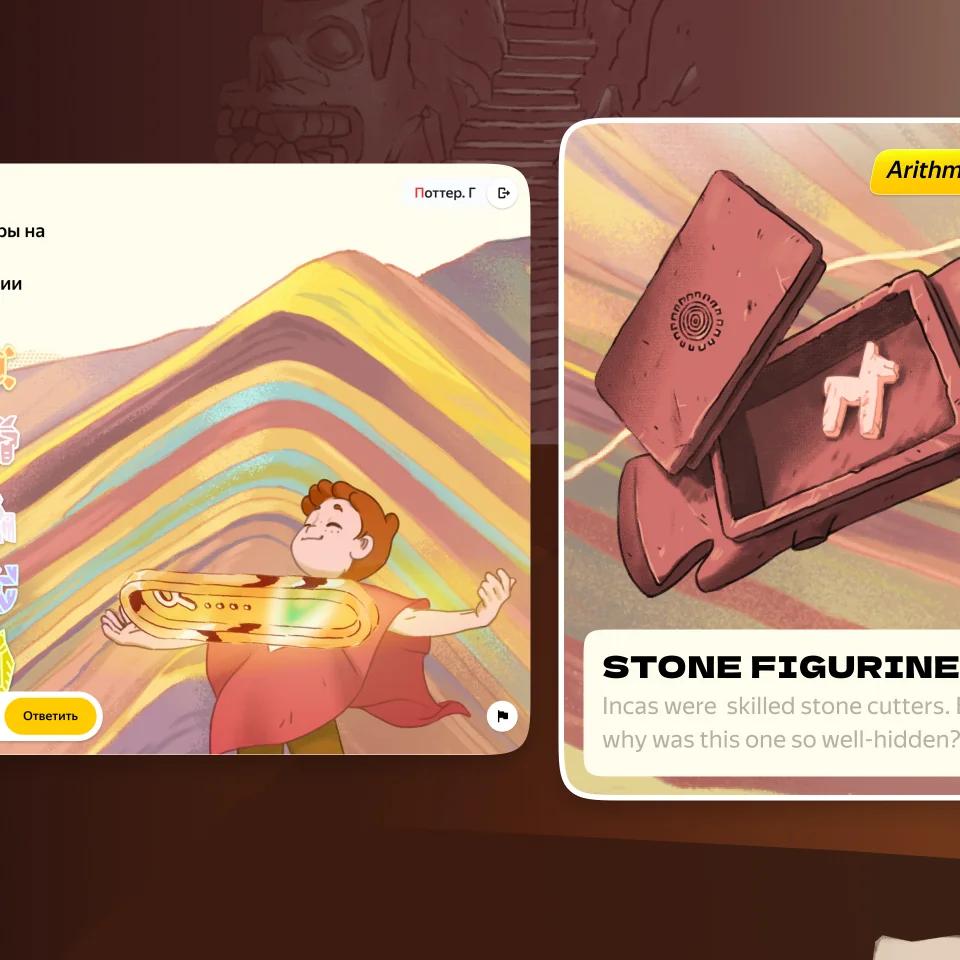
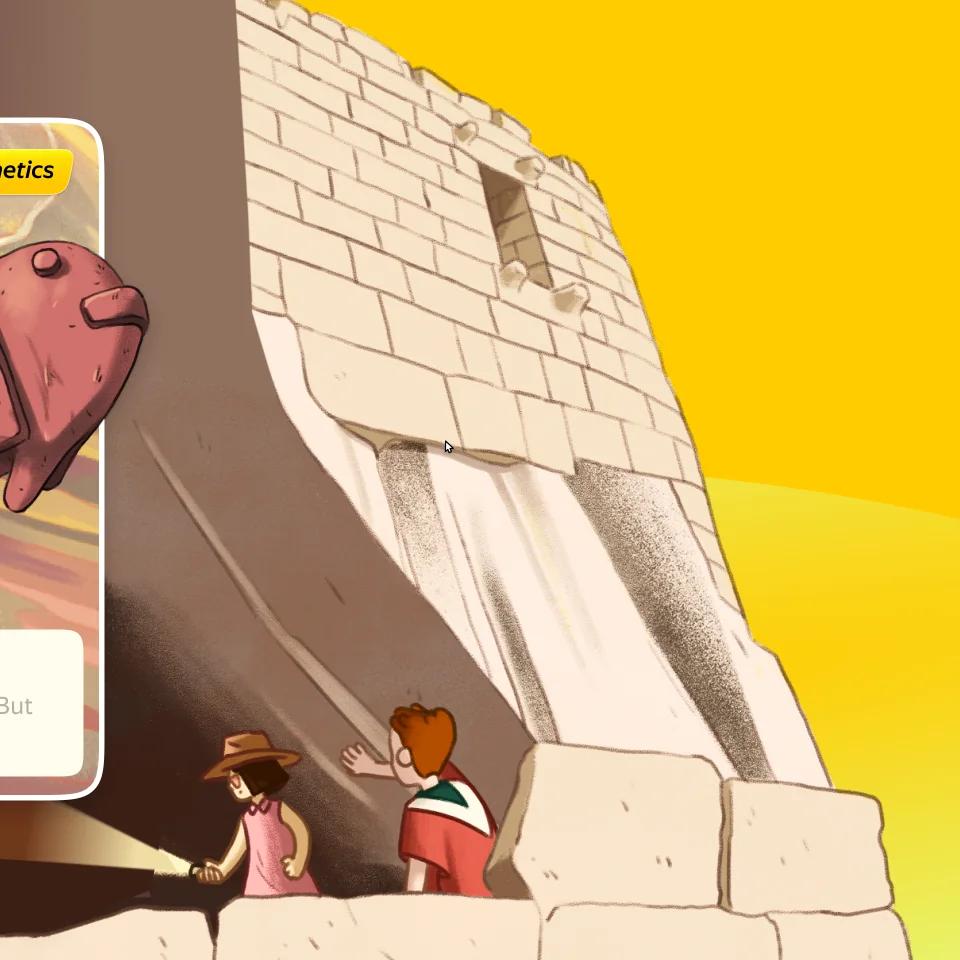
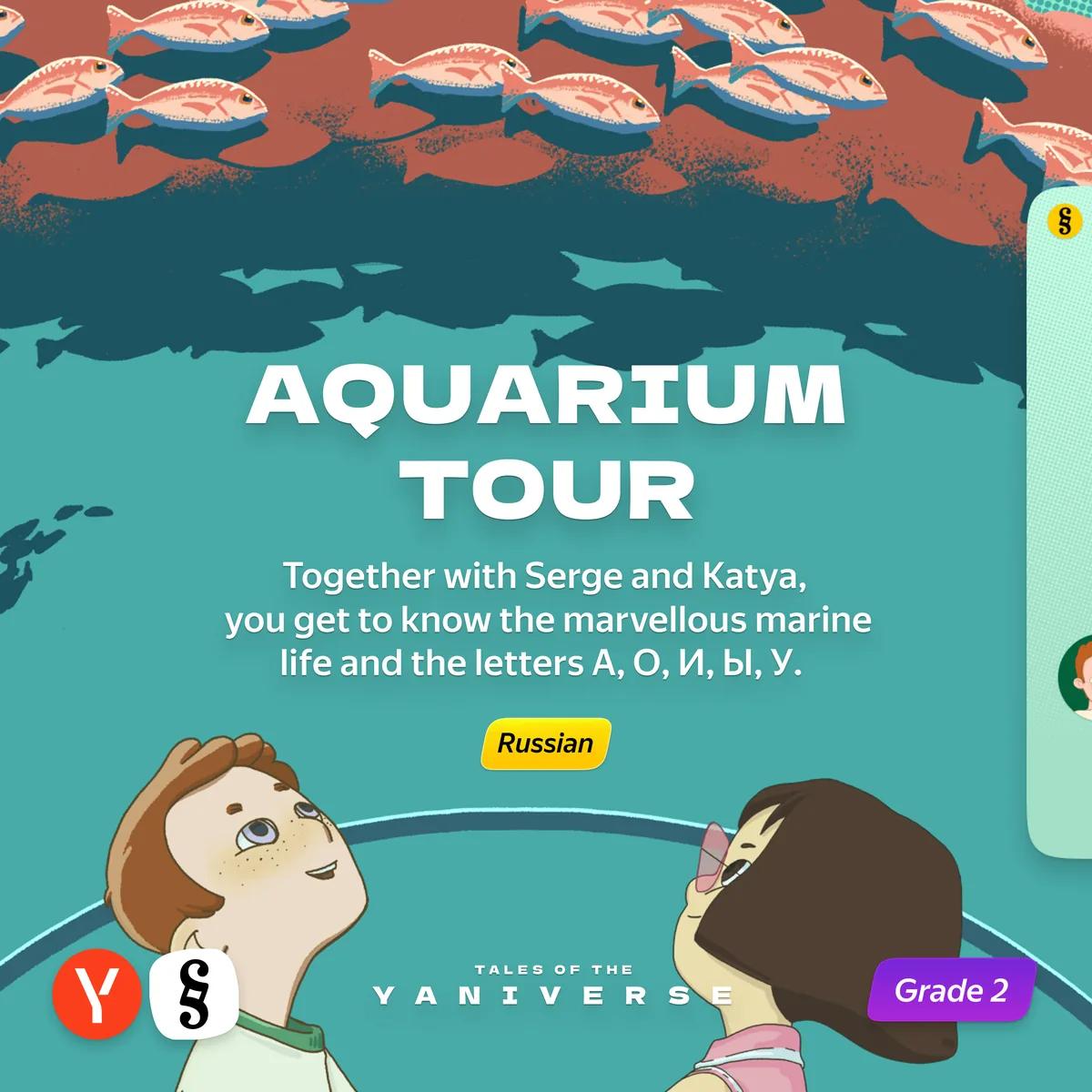
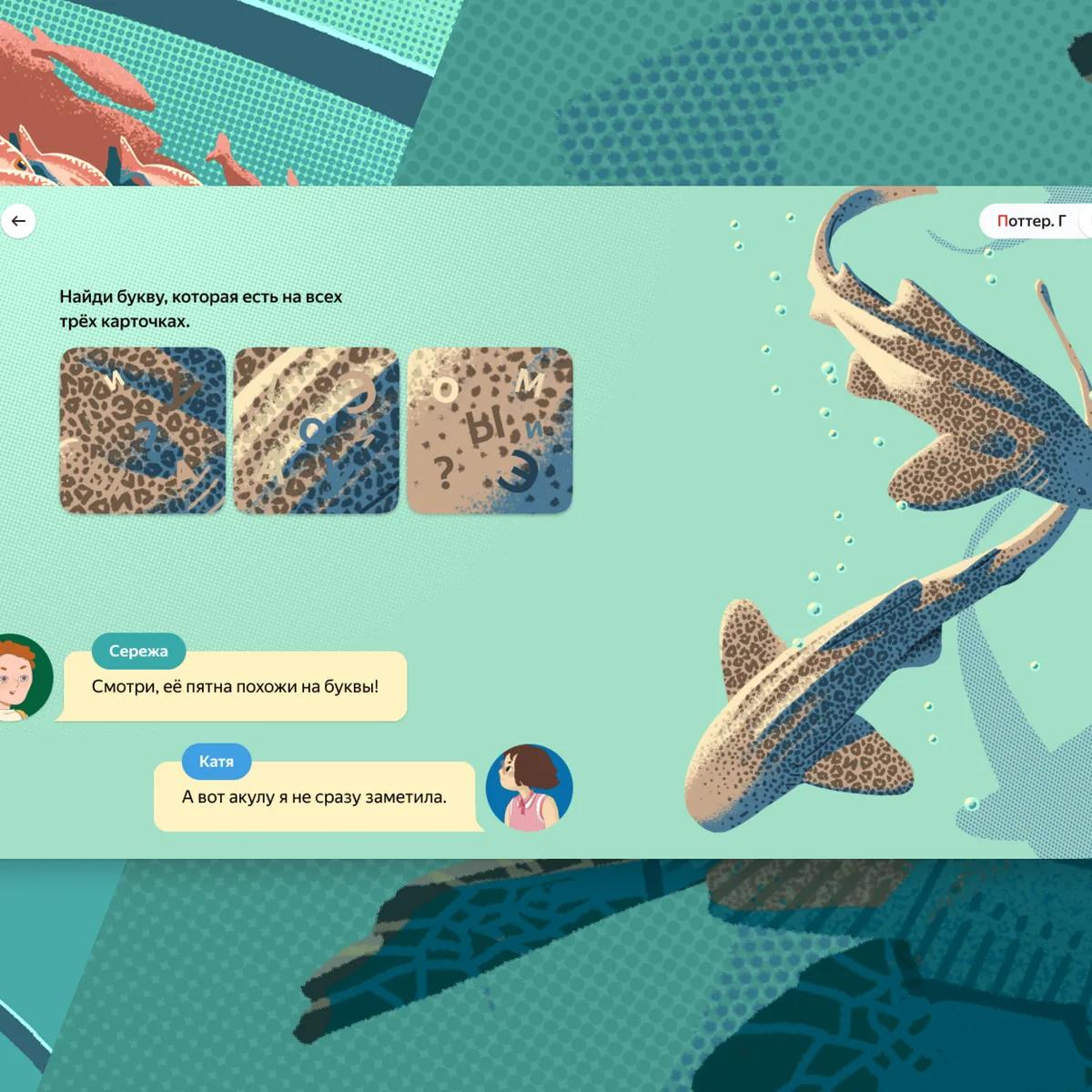
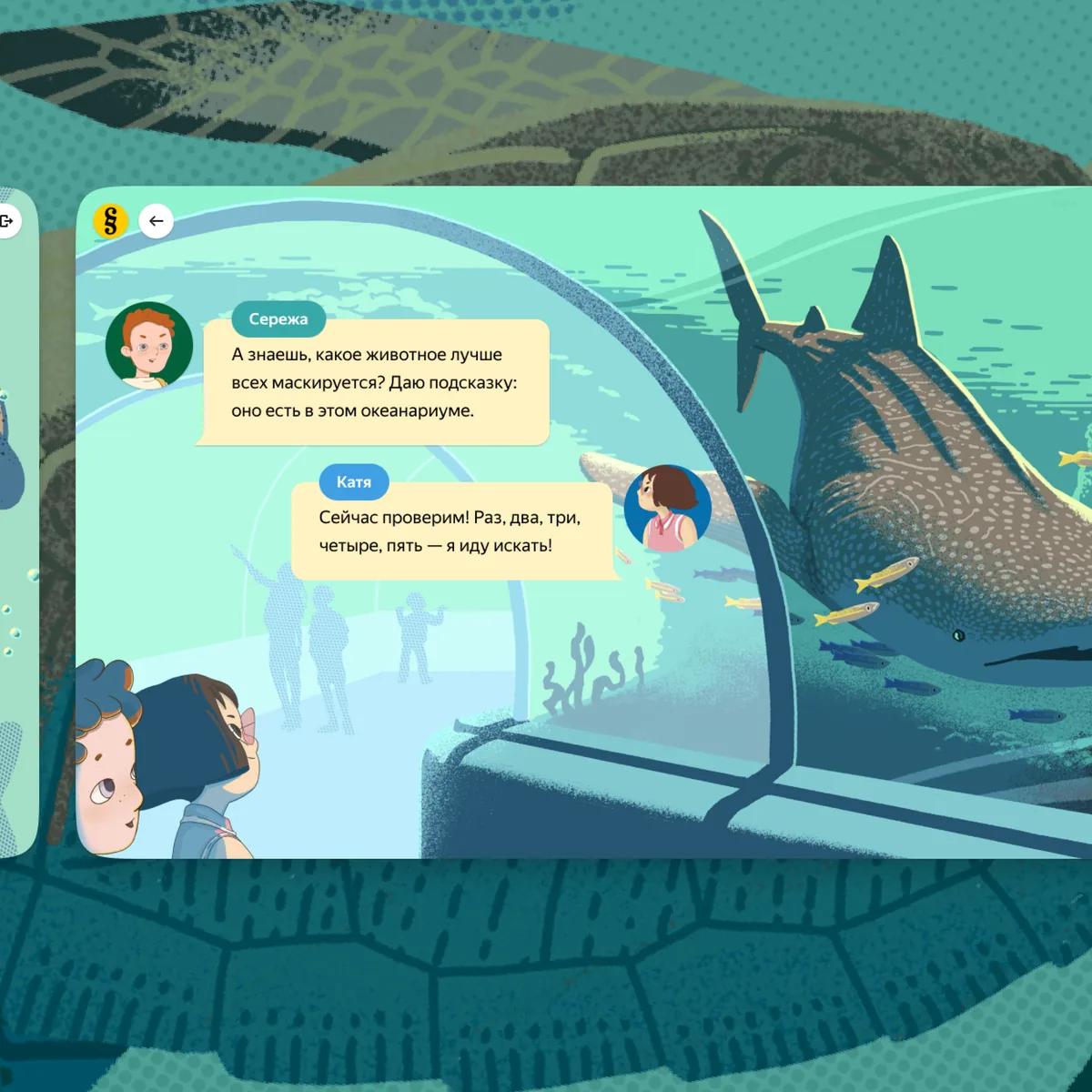
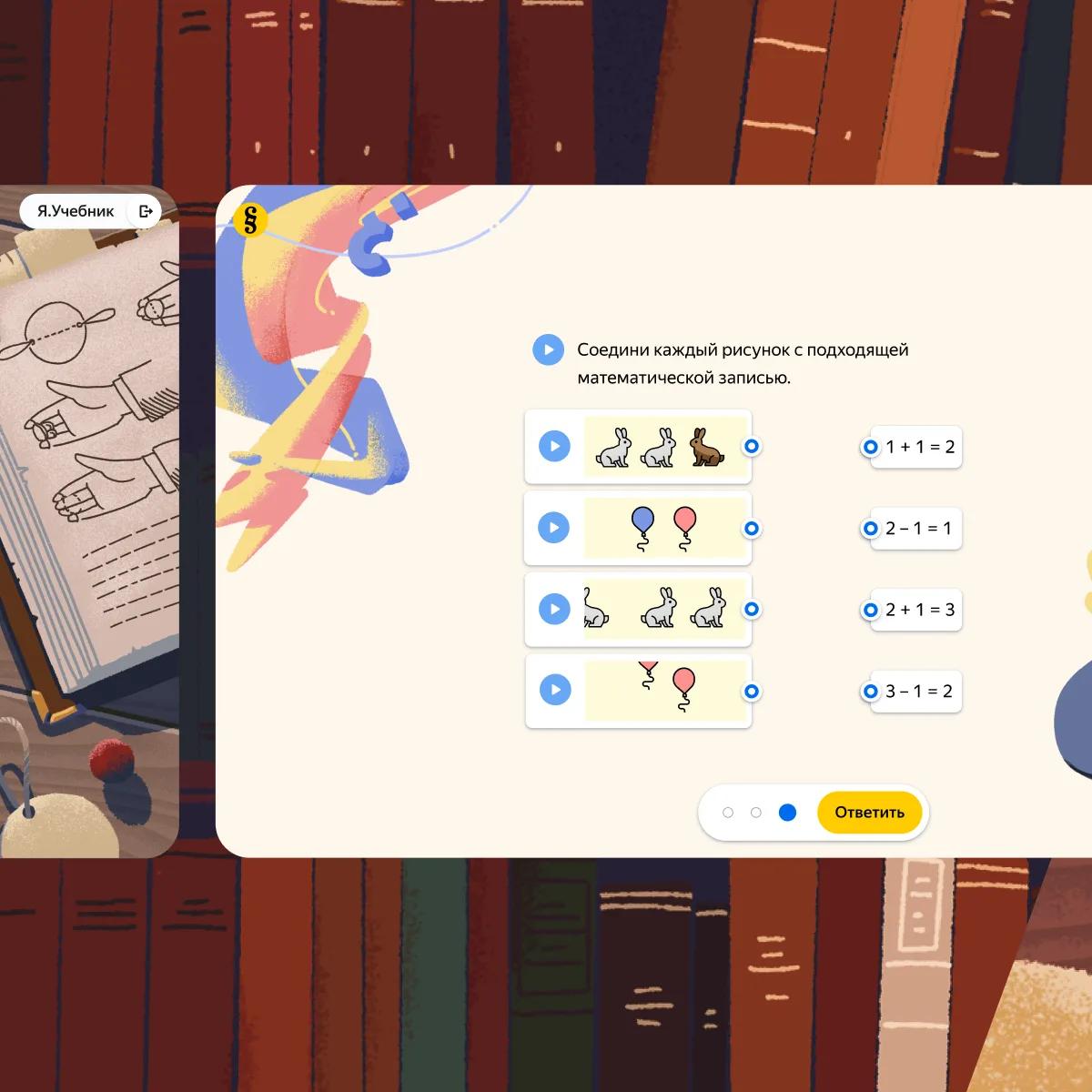
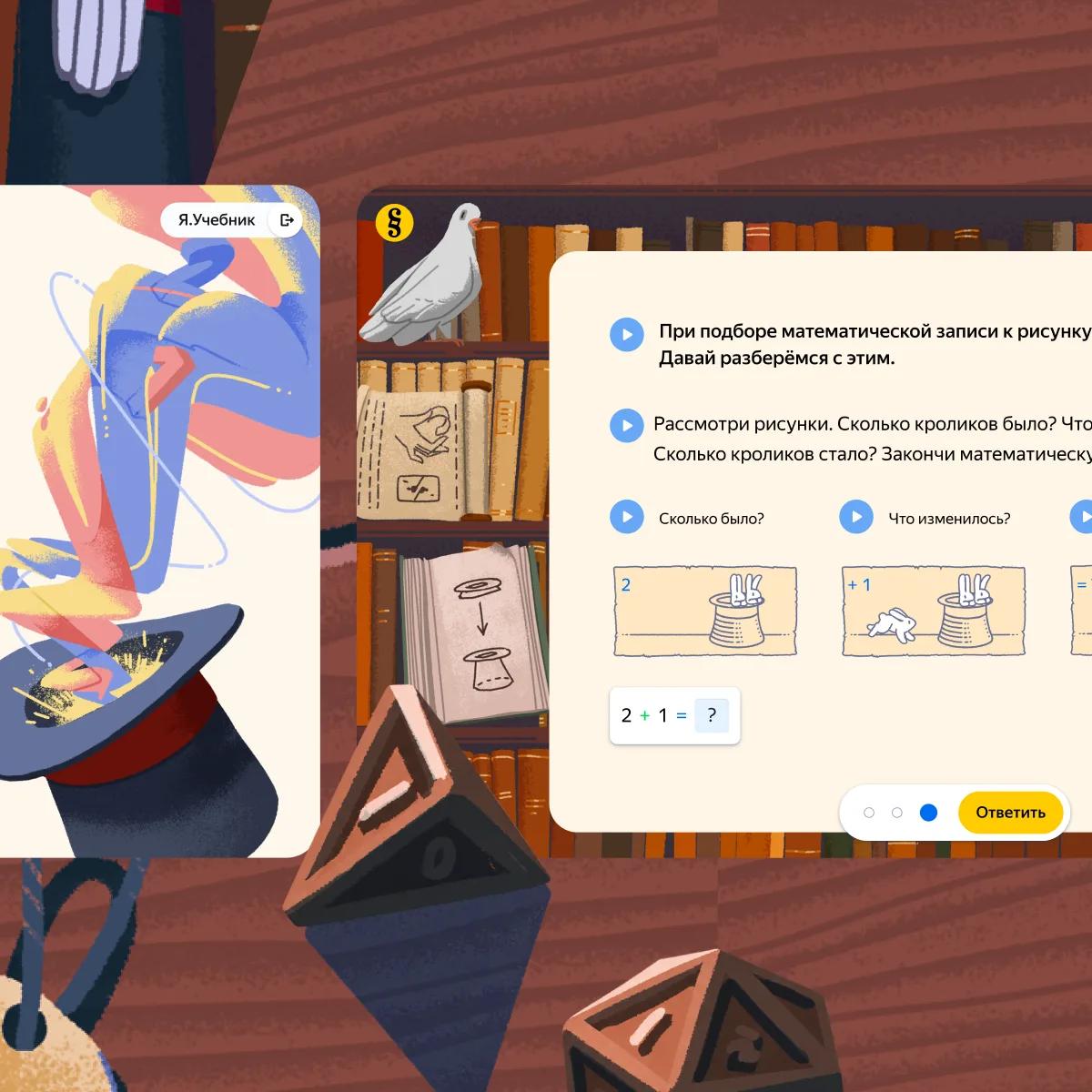
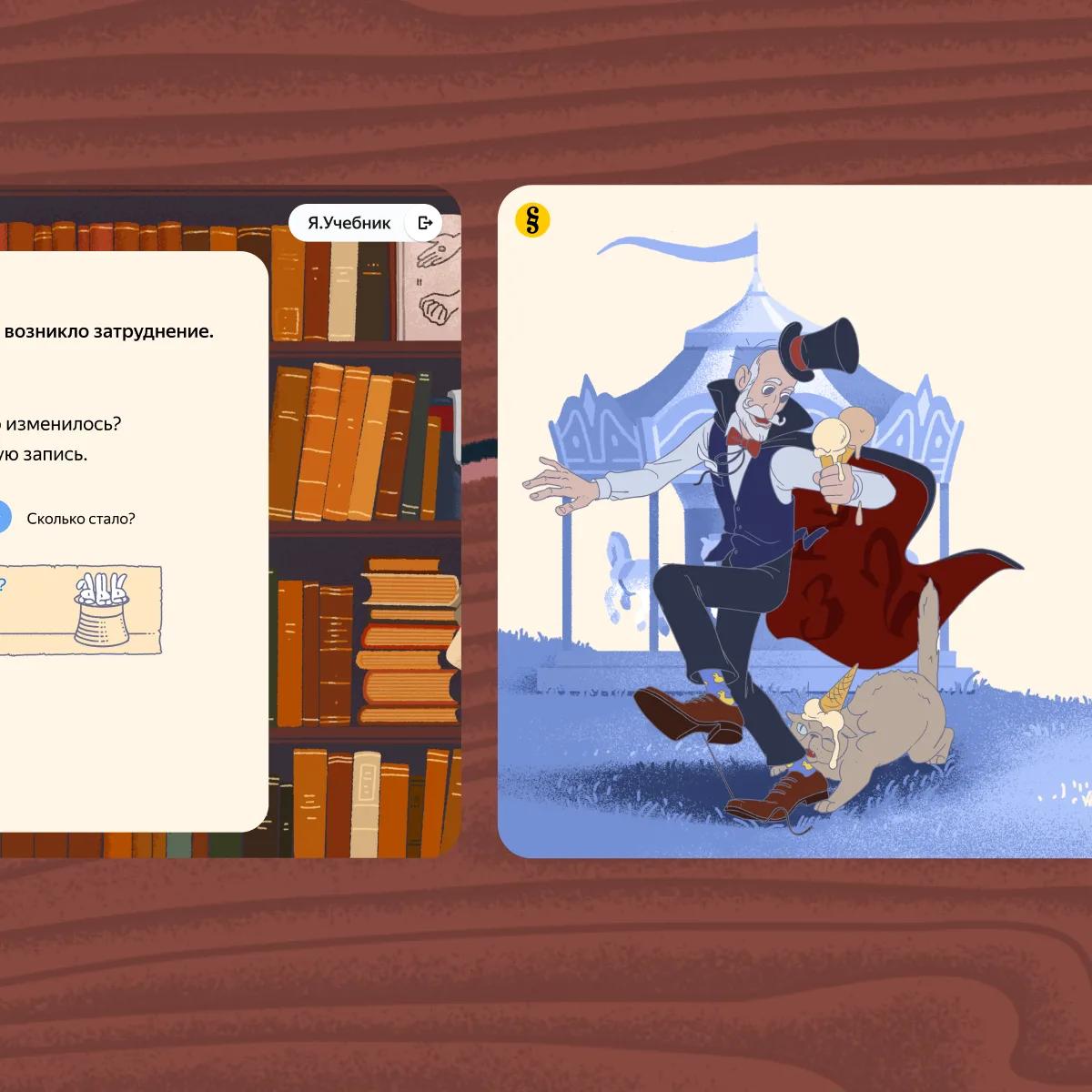
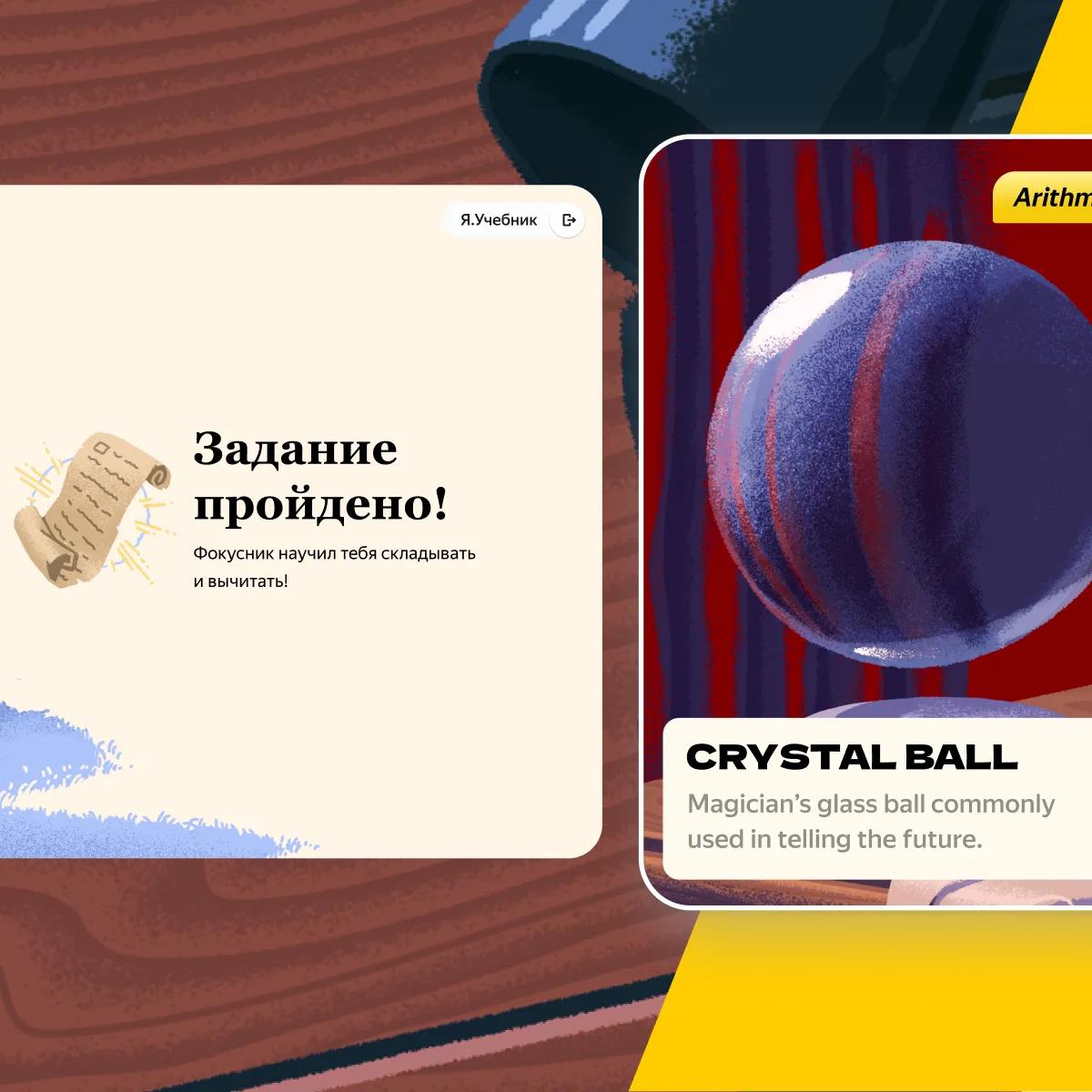
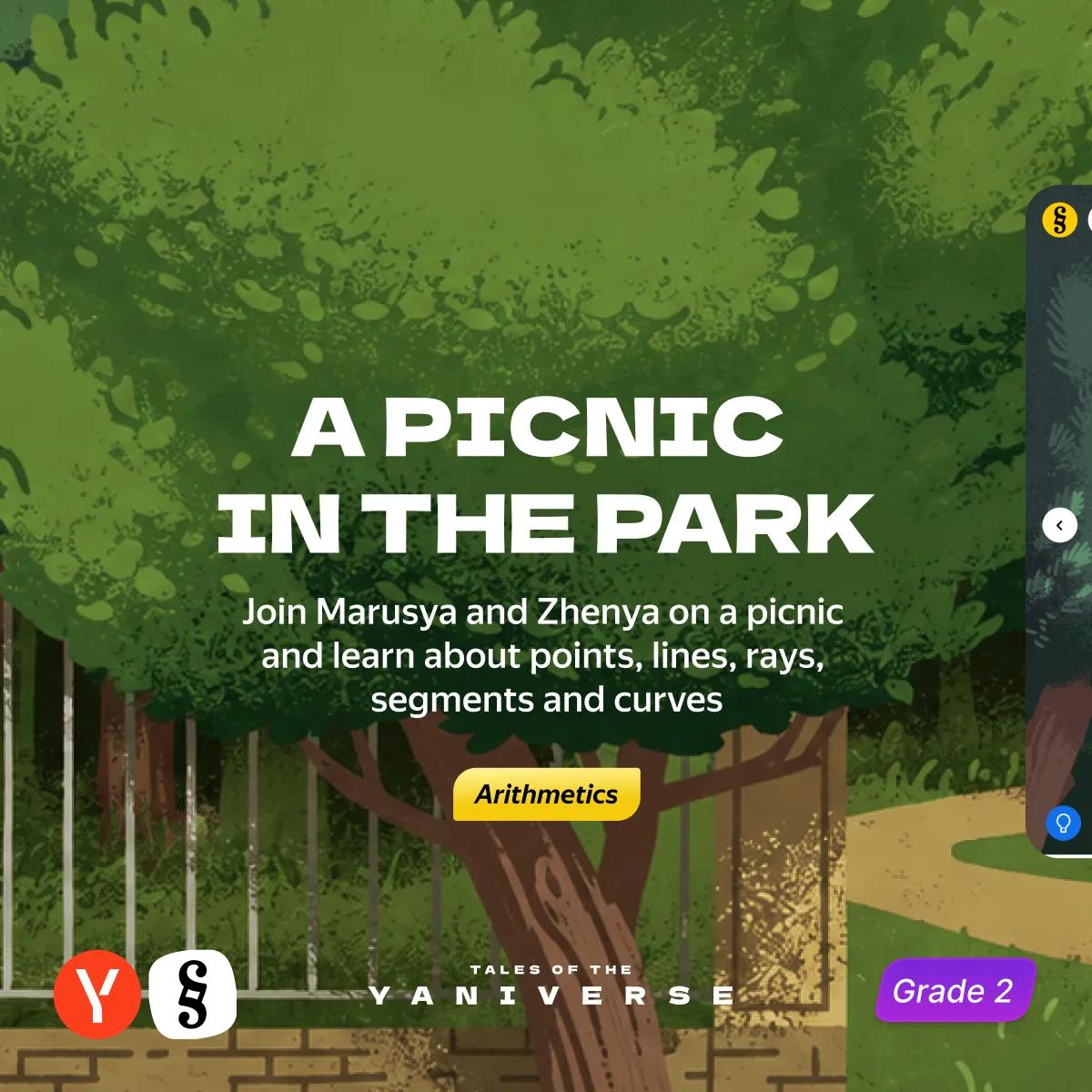
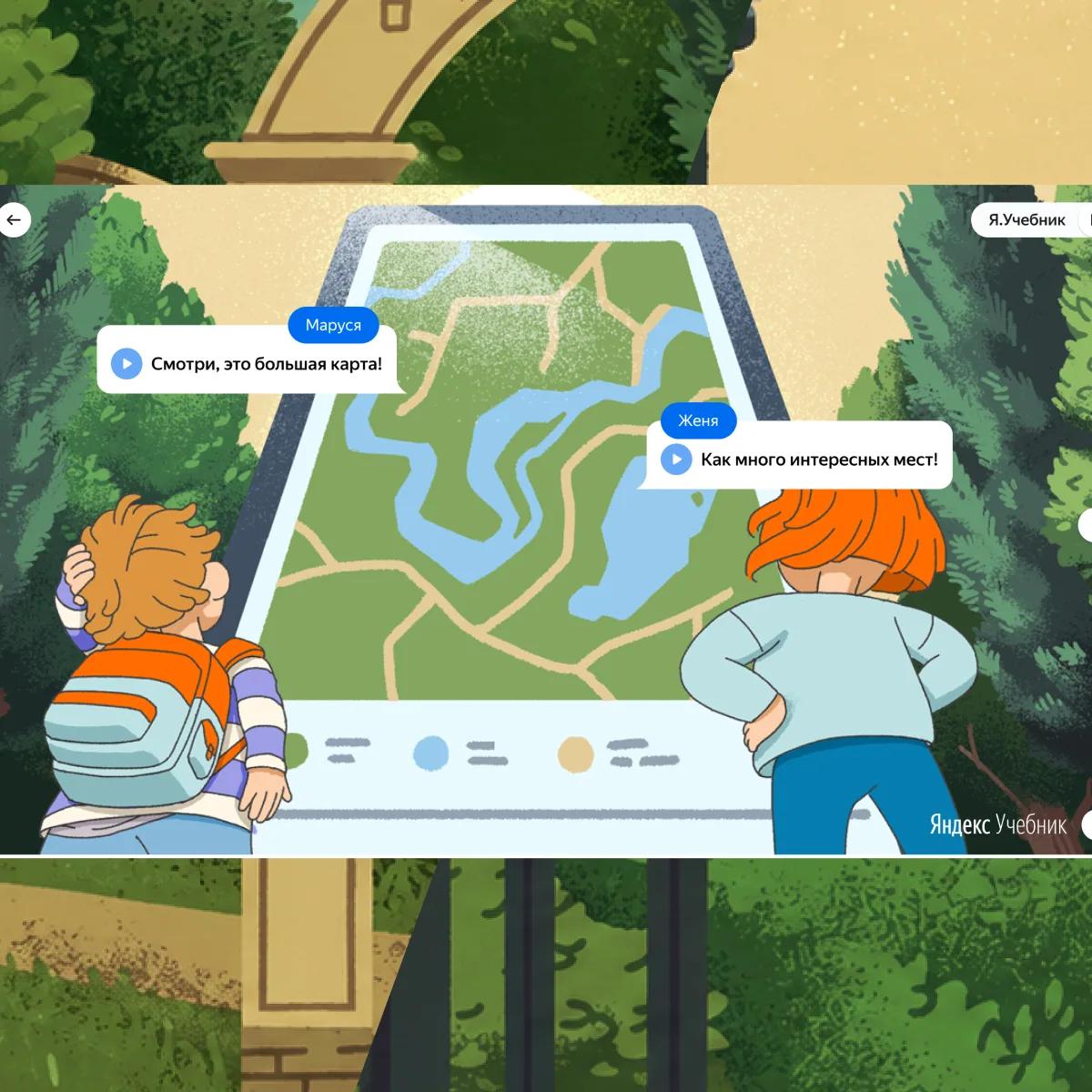
Story examples

Business impact

2×
student MAU
~150K → 300K+ a month
3×
teachers’ MAU
monthly active teachers tripled
→
a new core product
The board had been ready to retire the 30K-exercise catalogue as the default; this product made the switch. The catalogue stayed as an advanced option for the power-user teachers it was built for.

Huge kudos to Illarion Gordon, Serg Timashkov, Alex Makarov, Alyonooshka, Tsarcyanide, Maya Shklyar and many many more artists, managers, designers and methodologists who allowed this project to happen.